
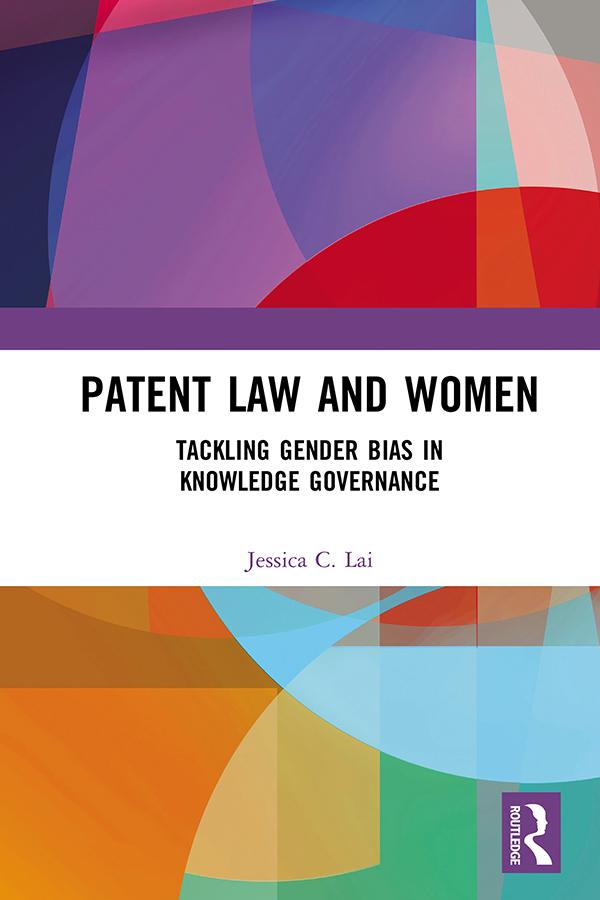
This book analyses the gendered nature of patent law and the knowledge governance system it supports.
The vast majority of patented inventions are attributed to male inventors. While this has resulted in arguments that there are not enough women working in science, technology, engineering and mathematics, this book maintains that the issue lies with the very nature of patent law and how it governs knowledge. The reason why fewer women patent than men is that patent law and the knowledge governance system it supports are gendered. This book deconstructs patent law to reveal the multiple gendered binaries it embodies, and how these in turn reflect gendered understandings of what constitutes science and an invention, and a scientist and an inventor. Revealing the inherent biases of the patent system, as well as its reliance on an idea of the public domain, the book argues that an egalitarian knowledge governance system must go beyond socialised binaries to better govern knowledge creation, dissemination and maintenance.
This book will appeal to scholars and policymakers in the field of patent law, as well as those in law and other disciplines with interests in law, gender and technology.
Pay easily by card, Klarna, Apple Pay or Google Pay. Not happy? You always have a 14-day money-back guarantee. Read more in our terms. If you have any questions, email us at hello@memmo.org.
Memmo makes studying easier – wherever you are in the world. We bring your course books and smart study tools together in one place: summaries, quizzes, podcasts and flashcards. Plus Ted, your study buddy who answers anything you wonder. Over 50,000 students already study here – built to help you learn faster and stress less.