
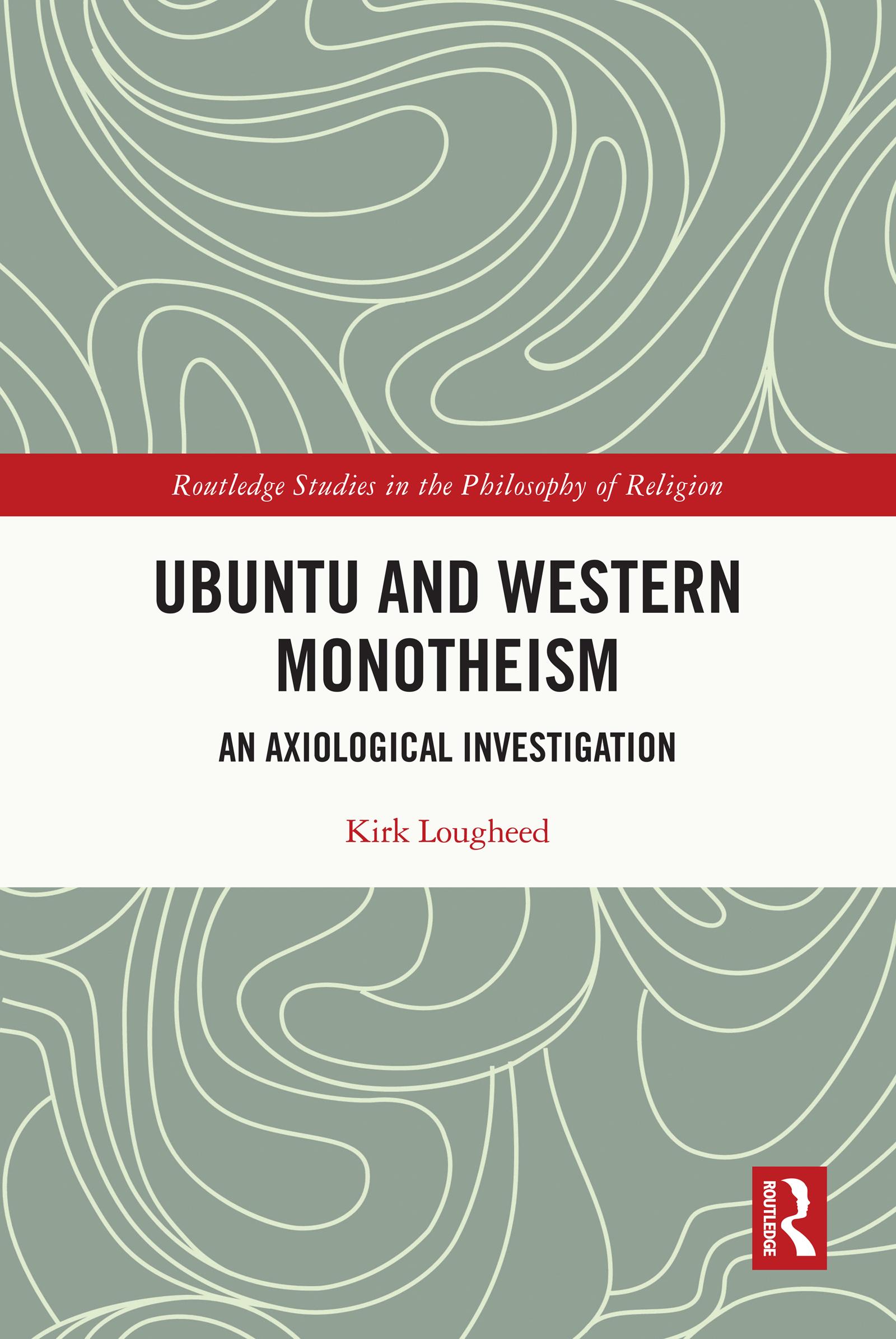
This book offers a unique comparative study of ubuntu, a dominant ethical theory in African philosophy, and western monotheism. It is the first book to bring ubuntu to bear on the axiology of theism debate in contemporary analytic philosophy of religion.
A large motivating force behind this book is to explore the extent to which there is intersubjective ethical agreement and disagreement between ubuntu and Western worldviews like monotheism and naturalism. First, the author assesses the various arguments for anti-theism and pro-theism on the assumption that ubuntu is true. Ubuntu’s communitarian focus might be so different from the Western tradition that it completely changes how we evaluate theism and atheism. Second, the author assesses the advantages and disadvantages of the truth of ubuntu for the world. Third and finally, he assesses the axiological status of faith for both monotheism and ubuntu.
Ubuntu and Western Monotheism will be of interest to scholars and advanced students specializing in philosophy of religion, African religion and philosophy, and religious ethics.
Pay easily by card, Klarna, Apple Pay or Google Pay. Not happy? You always have a 14-day money-back guarantee. Read more in our terms. If you have any questions, email us at hello@memmo.org.
Memmo makes studying easier – wherever you are in the world. We bring your course books and smart study tools together in one place: summaries, quizzes, podcasts and flashcards. Plus Ted, your study buddy who answers anything you wonder. Over 50,000 students already study here – built to help you learn faster and stress less.