
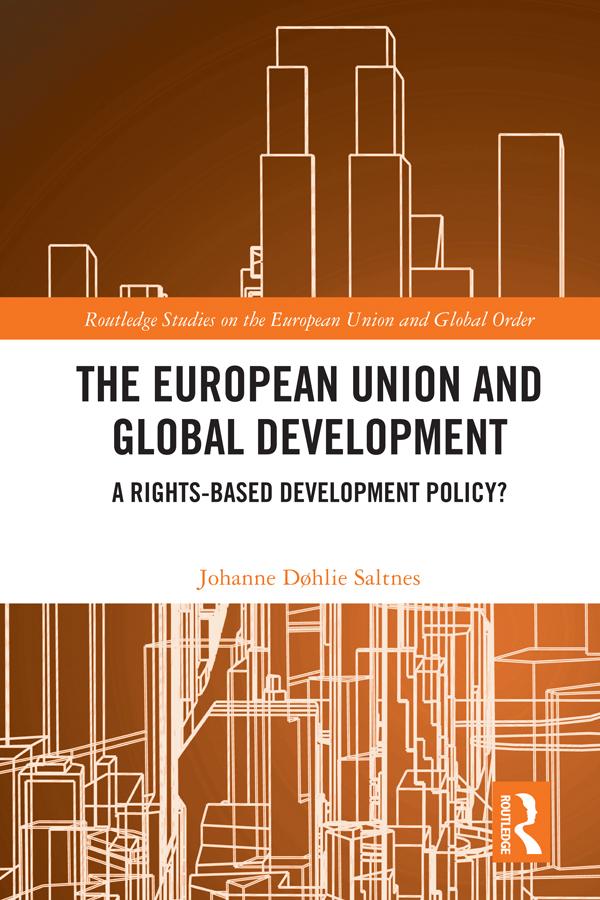
This book systematically analyses the EU’s commitment to a human rights-based approach to development through the lens of global justice theory.
It identifies limits to the EU’s approach and discusses how standardised policies, particularly in the case of human rights sanctions, may be perceived as neo-colonially intrusive and can come at the cost of recognizing the experiences and interests of vulnerable groups and allowing for partner countries’ democratic ownership of their own development trajectory. Engaging with primary sources including official documents, reports, and 45 semi-structured interviews with EU and member state officials, the book also presents a novel explanation for why the EU, at times, steps out of its commitment to rights-based development and chooses differentiated foreign policy responses to similar situations.
This book will be of key interest to scholars and students of EU foreign policy, EU development policy human rights, and international relations as well as policy practitioners working in the fields of development, human rights and democracy promotion.
Pay easily by card, Klarna, Apple Pay or Google Pay. Not happy? You always have a 14-day money-back guarantee. Read more in our terms. If you have any questions, email us at hello@memmo.org.
Memmo makes studying easier – wherever you are in the world. We bring your course books and smart study tools together in one place: summaries, quizzes, podcasts and flashcards. Plus Ted, your study buddy who answers anything you wonder. Over 50,000 students already study here – built to help you learn faster and stress less.