
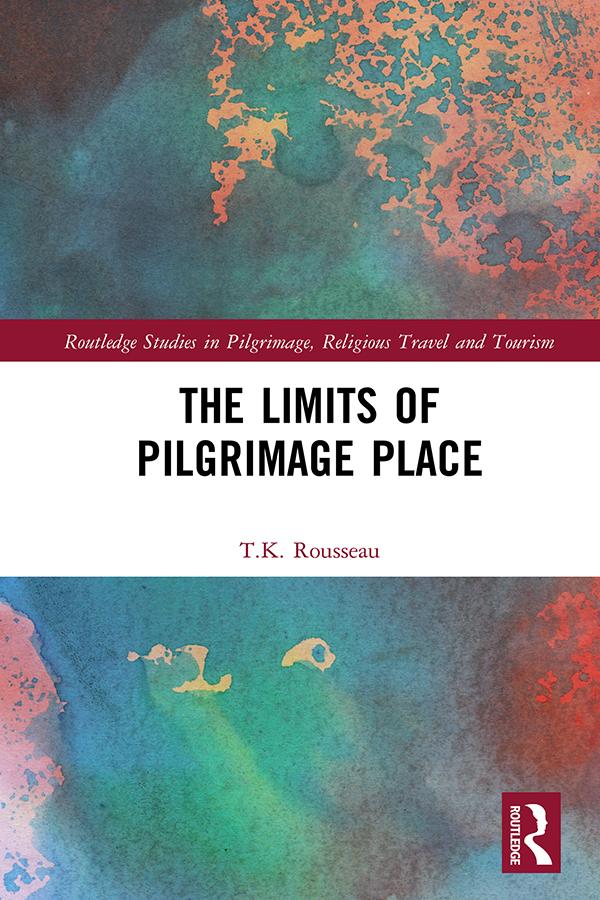
Through case studies of three pilgrimage sites related to the Virgin Mary, this book explores how pilgrimage places in today’s globalized world do not exist as contained spaces but have porous boundaries, both physically and conceptually.
Taking an interdisciplinary approach that draws on art history and heritage studies, the book considers the cathedral of Chartres, France; Medjugorje in Bosnia and Herzegovina; and the House of Mary near Ephesus, Turkey. In all three sites, the place of pilgrimage accommodates multiple different purposes and groups of people, intermingling devotional and commercial aspects, different memory narratives, and heterogeneous audiences.
By mapping these porous boundaries, the book calls into question how we define pilgrimage place, and shows how pilgrimage sites are not set apart from the everyday world, but intimately connected with wider cultural, political, and material dynamics. This study will be relevant to scholars engaging with issues of pilgrimage, cultural heritage, and art across religious studies, art history, anthropology, and sociology.
Pay easily by card, Klarna, Apple Pay or Google Pay. Not happy? You always have a 14-day money-back guarantee. Read more in our terms. If you have any questions, email us at hello@memmo.org.
Memmo makes studying easier – wherever you are in the world. We bring your course books and smart study tools together in one place: summaries, quizzes, podcasts and flashcards. Plus Ted, your study buddy who answers anything you wonder. Over 50,000 students already study here – built to help you learn faster and stress less.