
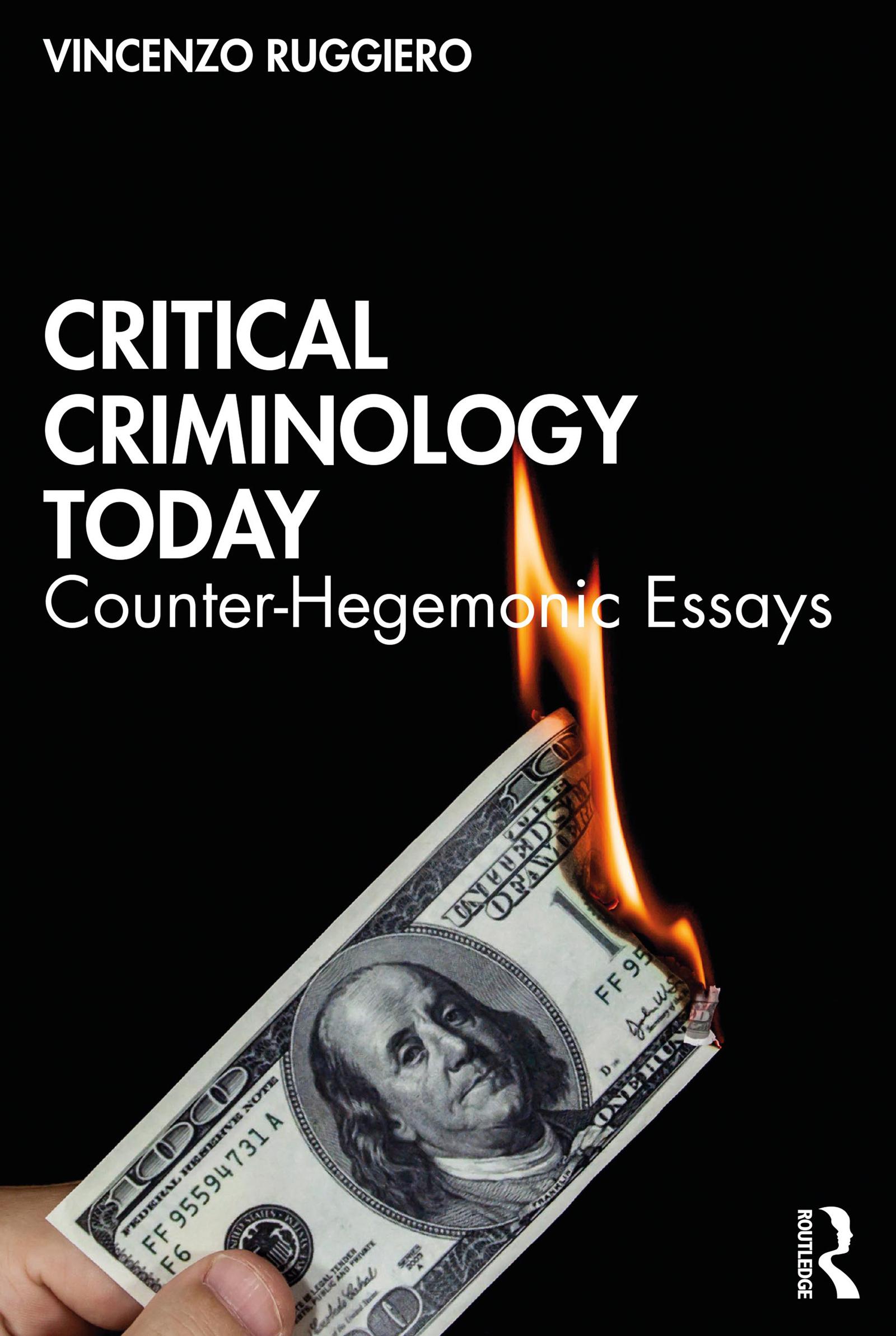
What survives of the notions, principles and values of critical criminology? Faced with contexts that could not be more dramatically different to those fostering critical approaches to crime and its control, what is left of the radical theories and practical initiatives that characterized it in the 1970s? This book argues that critical criminology today can be reimagined if new concepts are elaborated, which bring academic efforts close to the practices of social movements.
Building on an original collection of anti-hegemonic essays focused on specific criminological areas, including femicide, organized crime, drug use, punishment, state-corporate terrorism and financial crime, this book identifies the radical potential inherent in the choice of areas, topics and variables that critical criminologists can address today. In discussing concepts of distance, power, mercy and troublemaking, this book considers the relationship between critical criminology, social justice and activism.
An accessible and compelling read, this book will appeal to all those engaged with critical criminology, sociology and cultural studies.
Pay easily by card, Klarna, Apple Pay or Google Pay. Not happy? You always have a 14-day money-back guarantee. Read more in our terms. If you have any questions, email us at hello@memmo.org.
Memmo makes studying easier – wherever you are in the world. We bring your course books and smart study tools together in one place: summaries, quizzes, podcasts and flashcards. Plus Ted, your study buddy who answers anything you wonder. Over 50,000 students already study here – built to help you learn faster and stress less.