
The Covid-19 pandemic prompted healthcare systems around the globe to quickly explore and subsequently adopt digital health technologies and virtual care models that had been slowly growing in mainstream acceptance throughout the decade prior. In particular, telemedicine use skyrocketed as healthcare organizations and governments needed to provide access to infection risk-free health services. Telemedicine has been around in its current form for nearly two decades but grew significantly in utilization after the rapid acceleration of internet and smartphone adoption in the 2010s, and again in 2020 due to Covid-19.
Beyond traditional audio-visual telemedicine modalities, newer, more advanced models of tech-enabled clinical services have begun to gain popularity. Fueled by ubiquitous modern telecommunication technologies (e.g., the Smartphone), a growing dissatisfaction with healthcare services among patients, and increasing chronic disease epidemics in developed countries, models like remote patient monitoring (RPM) and other hybrid virtual care models have entered the clinical toolbox. RPM-based care models can fill the gaps of transactional telemedicine in order to deliver longitudinal care appropriate for patients with chronic conditions. Despite the apparent recent acceleration of interest in and adoption of RPM-based virtual care models, substantial research exists on RPM covering patient reported outcomes, clinical effectiveness, and economic factors.
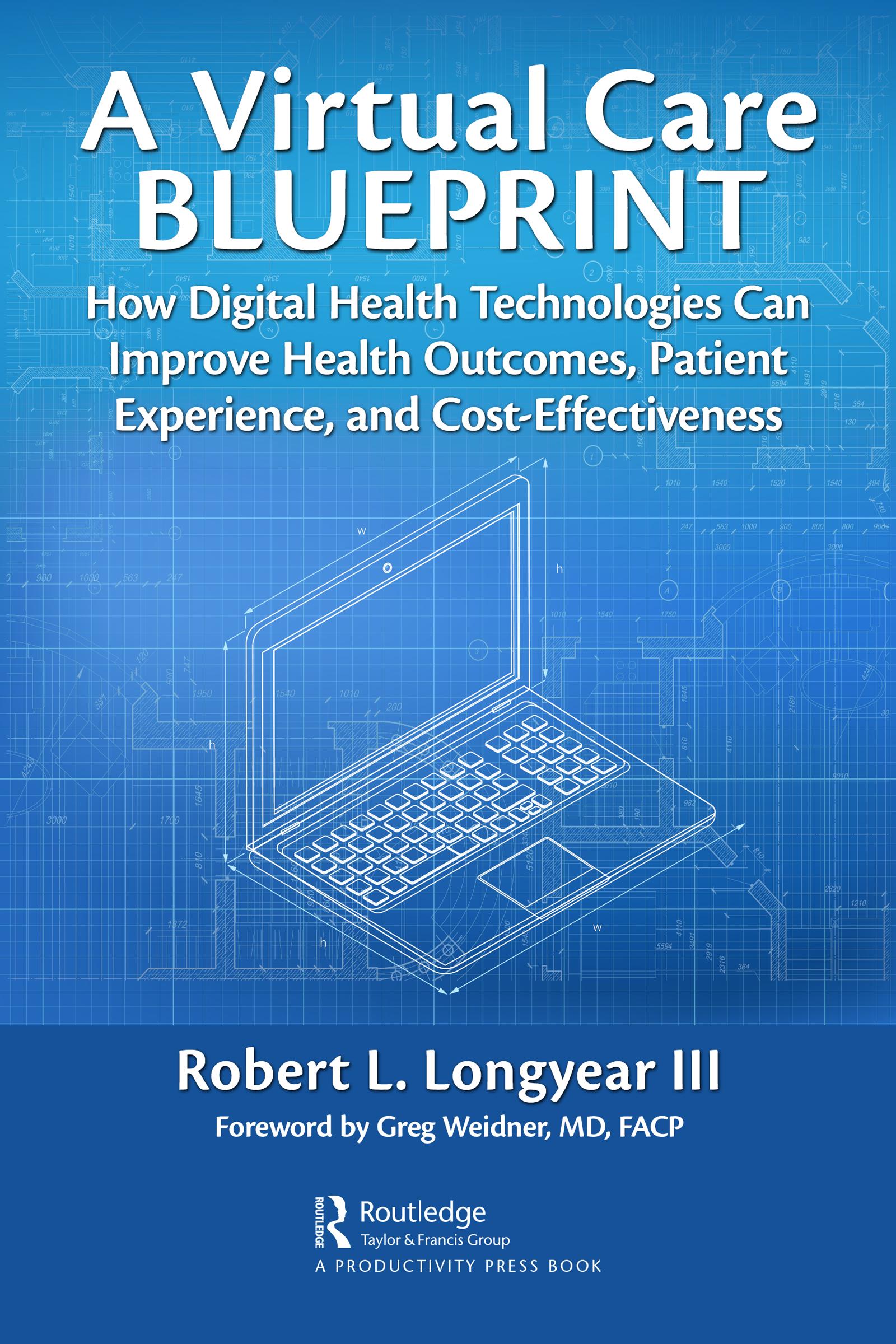
In A Virtual Care Blueprint: How Digital Health Technologies Can Improve Health Outcomes, Patient Experience, and Cost-Effectiveness, Robert L. Longyear III explores the science, frontline clinical perspectives, and potential impact of RPM-based virtual care programs. Seeking to provide evidence-based information on RPM and virtual care in a market flooded with marketing materials, Longyear provides healthcare leaders, clinicians, and policymakers a clear outline of these increasingly important care models for a modern healthcare delivery system.
Pay easily by card, Klarna, Apple Pay or Google Pay. Not happy? You always have a 14-day money-back guarantee. Read more in our terms. If you have any questions, email us at hello@memmo.org.
Memmo makes studying easier – wherever you are in the world. We bring your course books and smart study tools together in one place: summaries, quizzes, podcasts and flashcards. Plus Ted, your study buddy who answers anything you wonder. Over 50,000 students already study here – built to help you learn faster and stress less.