
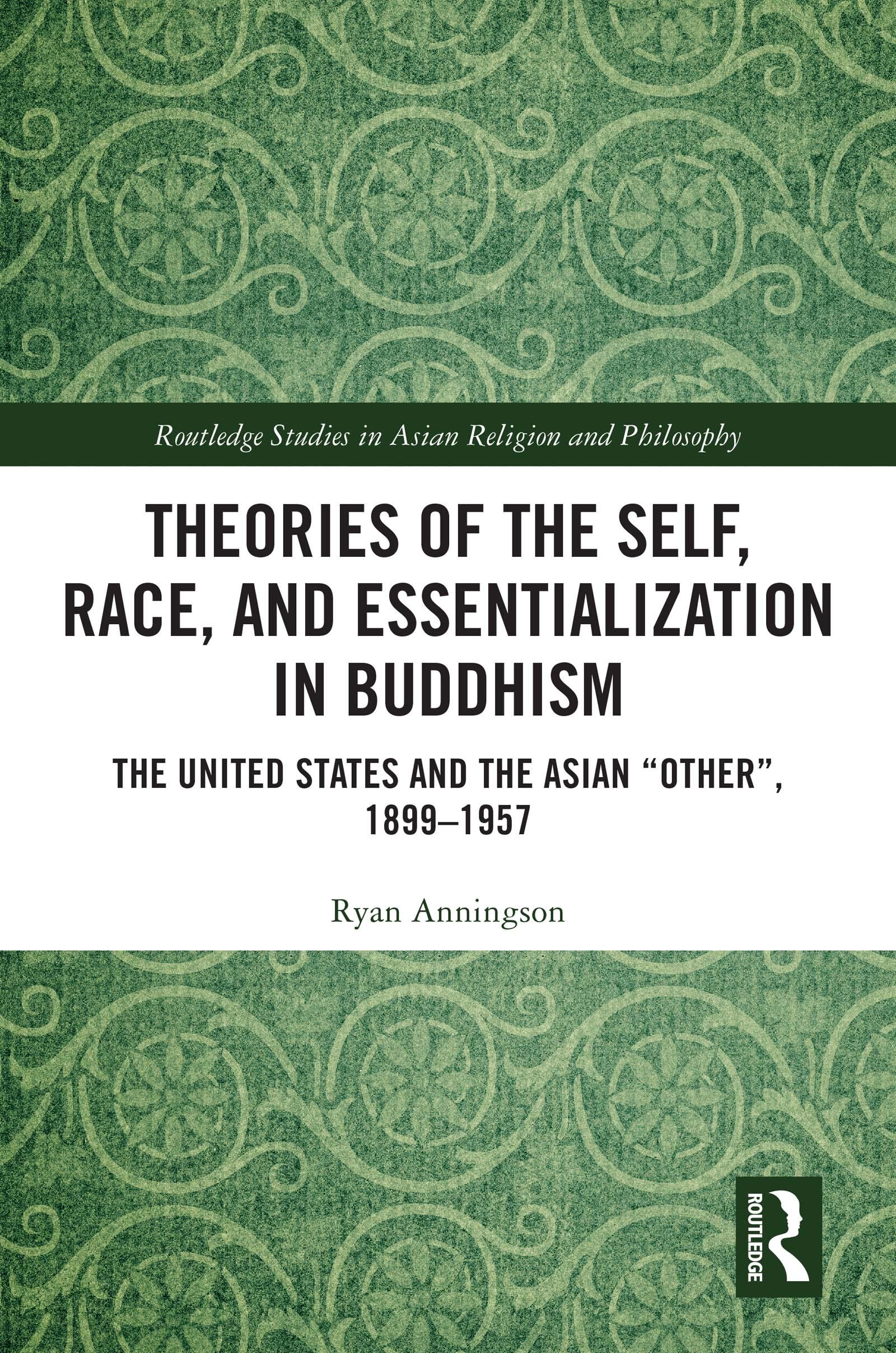
This book analyzes Buddhist discussions of the Aryan myth and scientific racism and the ways in which this conversation reshaped Buddhism in the United States, and globally.
The book traces the development of notions of Aryanism in Buddhism through Buddhist publications from 1899-1957, focusing on this so-called "yellow peril," or historical racist views in the United States of an Asian "other." During this time period in America, the Aryan myth was considered to be scientific fact, and Buddhists were able to capitalize on this idea throughout a global publishing network of books, magazines, and academic work which helped to transform the presentation of Buddhism into the "Aryan religion." Following narratives regarding colonialism and the development of the Aryan myth, Buddhists challenged these dominant tropes: they combined emic discussions about the "Aryan" myth and comparisons of Buddhism and science, in order to disprove colonial tropes of "Western" dominance, and suggest that Buddhism represented a superior tradition in world historical development. The author argues that this presentation of a Buddhist tradition of superiority helped to create space for Buddhism within the American religious landscape.
The book will be of interest to academics working on Buddhism, race and religion, and American religious history.
Pay easily by card, Klarna, Apple Pay or Google Pay. Not happy? You always have a 14-day money-back guarantee. Read more in our terms. If you have any questions, email us at hello@memmo.org.
Memmo makes studying easier – wherever you are in the world. We bring your course books and smart study tools together in one place: summaries, quizzes, podcasts and flashcards. Plus Ted, your study buddy who answers anything you wonder. Over 50,000 students already study here – built to help you learn faster and stress less.