
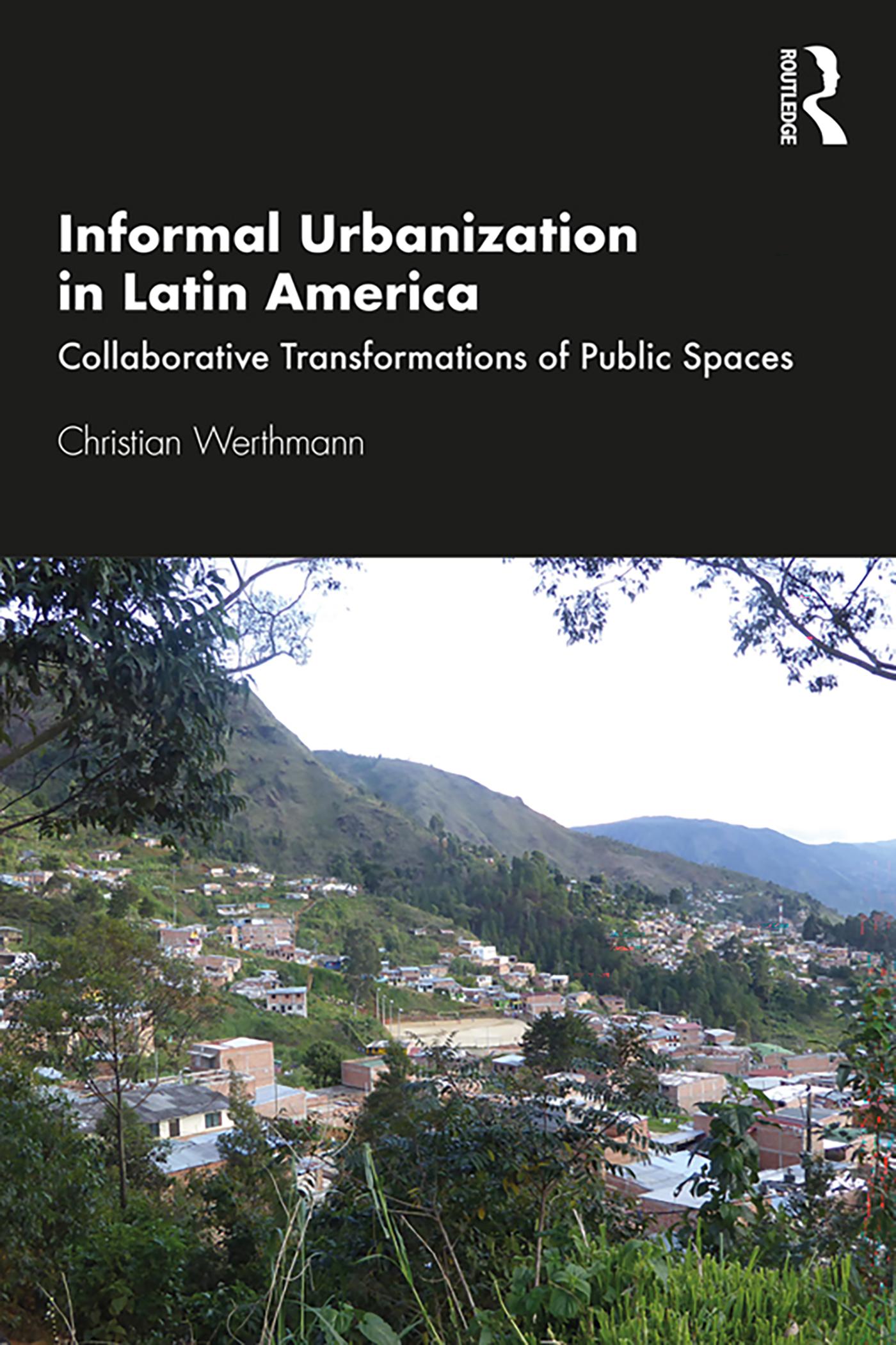
Various kinds of informal and extra-legal settlements—commonly called shantytowns, favelas, or barrios—are the prevailing type of urban land use in much of the developing world. United Nations estimates suggest that there are close to 900 million people living in squatter communities worldwide, with the number expected to increase in the coming decades.
Informal Urbanization in Latin America investigates prevailing strategies for addressing informal settlements, which started to shift away from large-scale slum clearance to on-site upgrading in Latin America over the last 40 years, by improving public spaces, infrastructure and facilities. The cases in this book range from one micro intervention (the Villa Tranquila Project in Buenos Aires) to three large-scale government-run projects: the celebrated Favela Bairro Program in Rio de Janeiro, the social housing program in São Paulo and the famous Proyectos Urbanos Integrales Approach in Medellín. The cases show a collaborative and sensitive transformation of landscape and public space, and provide designers and planners with the tools to develop better strategies that can mitigate the volatility that the residents of non-formal neighborhoods are exposed to. The book is a must-read for all who are interested or working in the global urbanization as well as social equity.
Pay easily by card, Klarna, Apple Pay or Google Pay. Not happy? You always have a 14-day money-back guarantee. Read more in our terms. If you have any questions, email us at hello@memmo.org.
Memmo makes studying easier – wherever you are in the world. We bring your course books and smart study tools together in one place: summaries, quizzes, podcasts and flashcards. Plus Ted, your study buddy who answers anything you wonder. Over 75,000 students already study here – built to help you learn faster and stress less.