
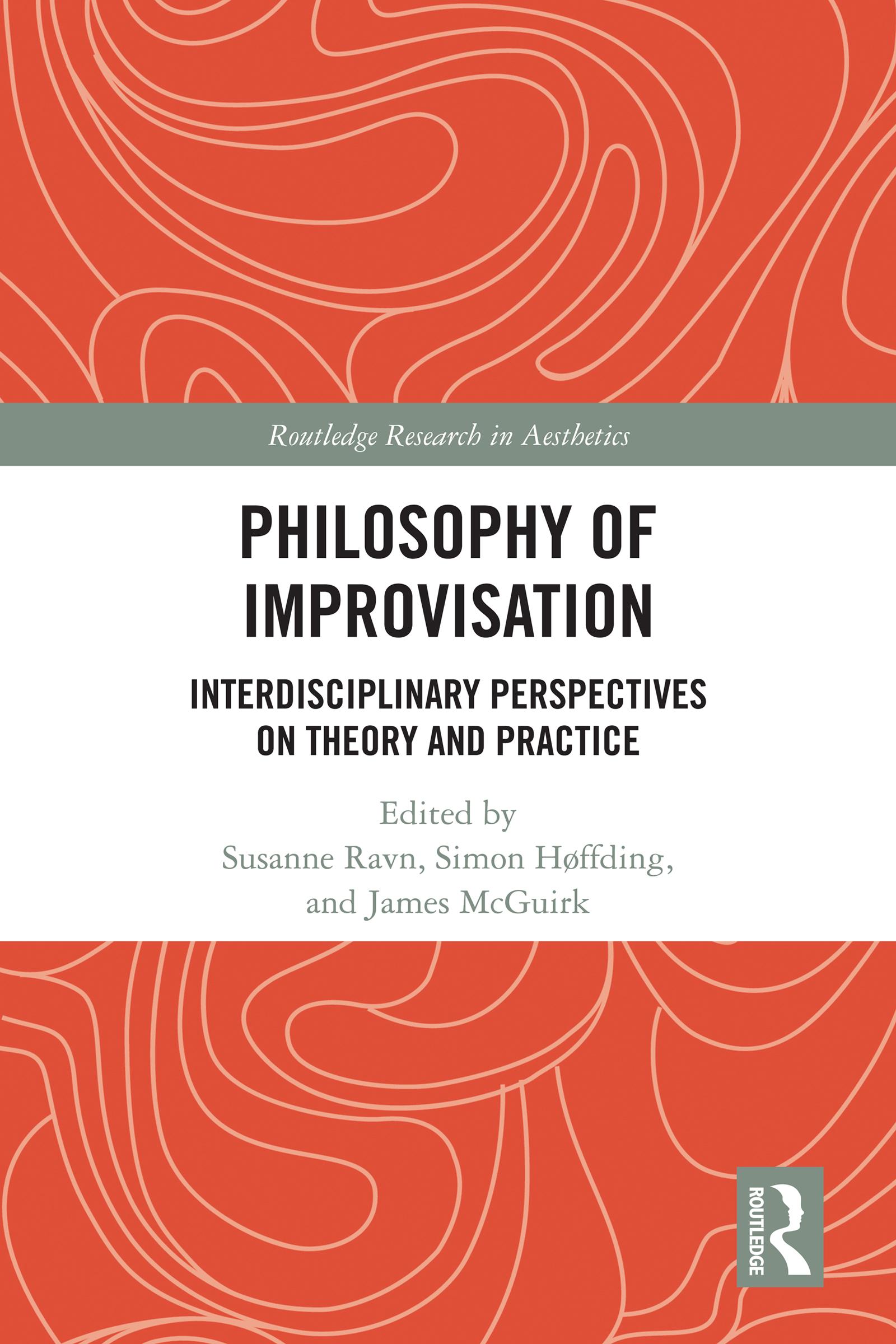
This volume brings together philosophical and interdisciplinary perspectives on improvisation. The contributions connect the theoretical dimensions of improvisation with different viewpoints on its practice in the arts and the classroom.
The chapters address the phenomenon of improvisation in two related ways. On the one hand, they attend to the lived practices of improvisation both within and without the arts in order to explain the phenomenon. They also extend the scope of improvisational practices to include the role of improvisation in habit and in planned action, at both individual and collective levels. Drawing on recent work done in the philosophy of mind, they address questions such as whether improvisation is a single unified phenomenon or whether it entails different senses that can be discerned theoretically and practically. Finally, they ask after the special kind of improvisational expertise which characterizes musicians, dancers, and other practitioners, an expertise marked by the artist’s ability to participate competently in complex situations while deliberately relinquishing control.
Philosophy of Improvisation will appeal to anyone with a strong interest in improvisation, to researchers working in philosophy, aesthetics, and pedagogy as well as practitioners involved in different kinds of music, dance, and theater performances.
Pay easily by card, Klarna, Apple Pay or Google Pay. Not happy? You always have a 14-day money-back guarantee. Read more in our terms. If you have any questions, email us at hello@memmo.org.
Memmo makes studying easier – wherever you are in the world. We bring your course books and smart study tools together in one place: summaries, quizzes, podcasts and flashcards. Plus Ted, your study buddy who answers anything you wonder. Over 50,000 students already study here – built to help you learn faster and stress less.