
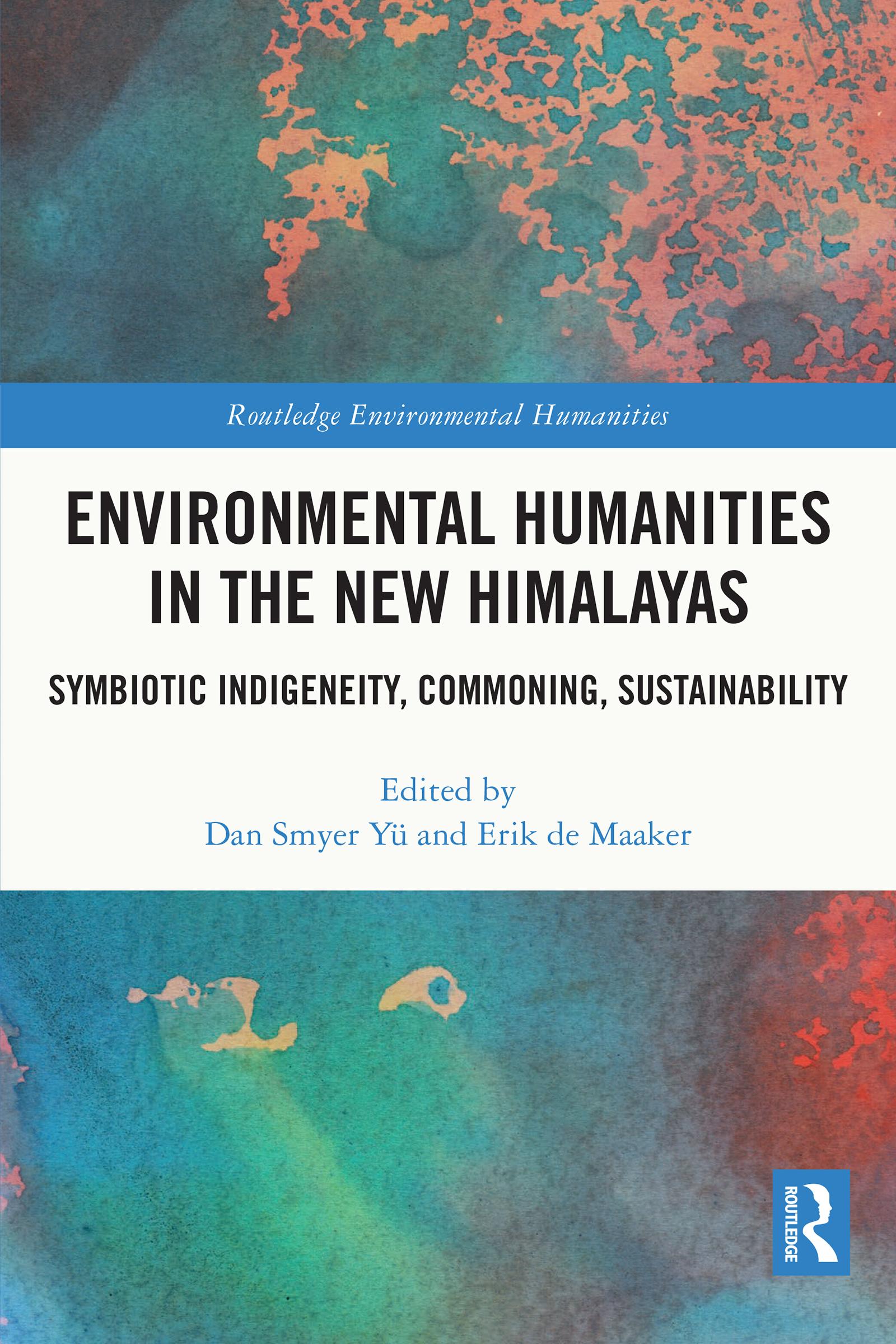
Environmental Humanities in the New Himalayas: Symbiotic Indigeneity, Commoning, Sustainability showcases how the eco-geological creativity of the earth is integrally woven into the landforms, cultures, and cosmovisions of modern Himalayan communities.
Unique in scope, this book features case studies from Bhutan, Assam, Sikkim, Tibet, Nepal, Pakistan, and Sino-Indian borderlands, many of which are documented by authors from indigenous Himalayan communities. It explores three environmental characteristics of modern Himalayas: the anthropogenic, the indigenous, and the animist. Focusing on the sentient relations of human-, animal-, and spirit-worlds with the earth in different parts of the Himalayas, the authors present the complex meanings of indigeneity, commoning and sustainability in the Anthropocene. In doing so, they show the vital role that indigenous stories and perspectives play in building new regional and planetary environmental ethics for a sustainable future.
Drawing on a wide range of expert contributions from the natural sciences, social sciences, and humanist disciplines, this book will be of great interest to students and scholars of environmental humanities, religion and ecology, indigenous knowledge and sustainable development more broadly.
Pay easily by card, Klarna, Apple Pay or Google Pay. Not happy? You always have a 14-day money-back guarantee. Read more in our terms. If you have any questions, email us at hello@memmo.org.
Memmo makes studying easier – wherever you are in the world. We bring your course books and smart study tools together in one place: summaries, quizzes, podcasts and flashcards. Plus Ted, your study buddy who answers anything you wonder. Over 50,000 students already study here – built to help you learn faster and stress less.