
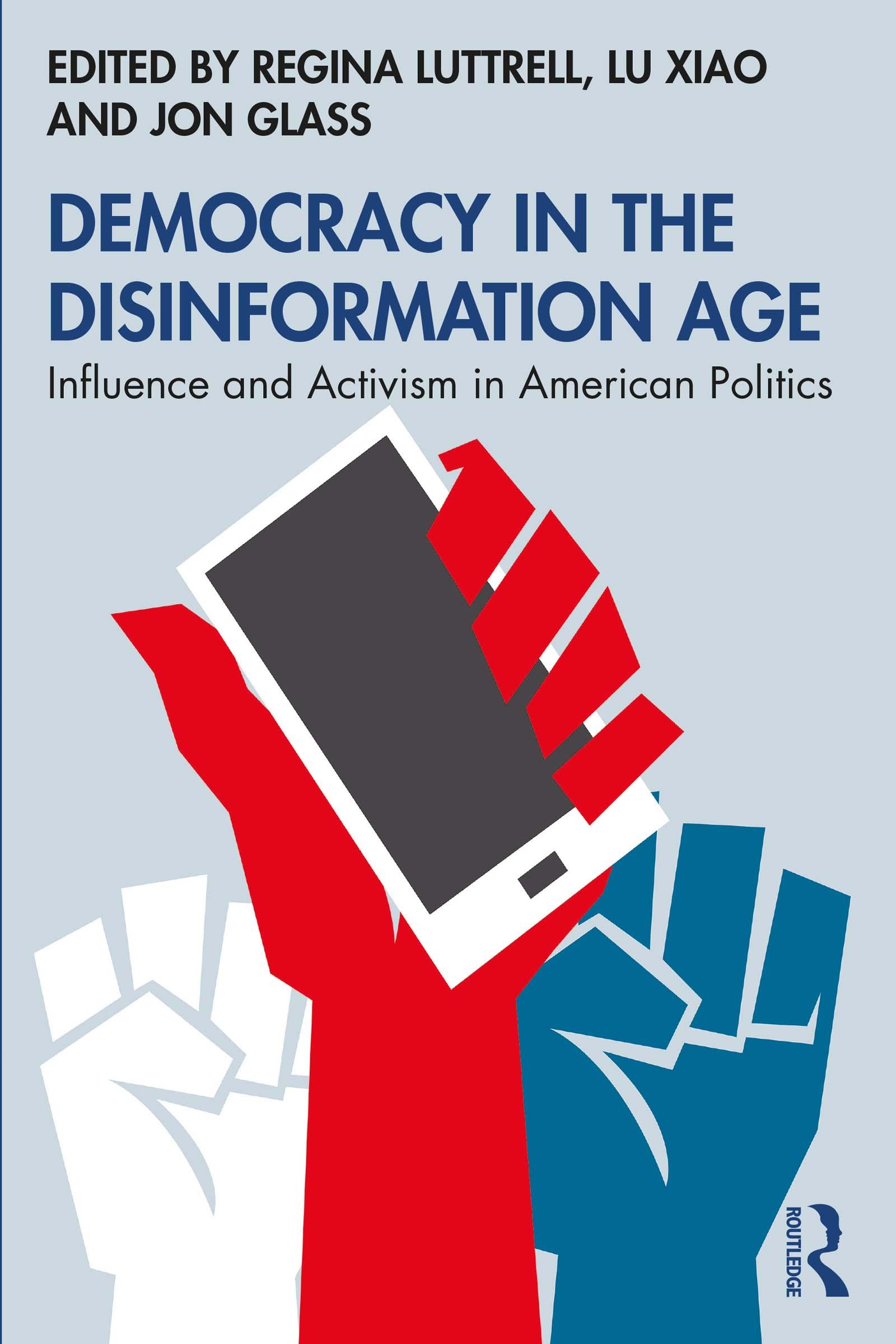
In this book established researchers draw on a range of theoretical and empirical perspectives to examine social media’s impact on American politics. Chapters critically examine activism in the digital age, fake news, online influence, messaging tactics, news transparency and authentication, consumers’ digital habits and ultimately the societal impacts that continue to be created by combining social media and politics. Through this book readers will better understand and approach with questions such as:
• How exactly and why did social media become a powerful factor in politics?
• What responsibilities do social networks have in the proliferation of factually wrong and hate-filled messages? Or should individuals be held accountable?
• What are the state-of-the-art of computational techniques for measuring and determining social media's impact on society?
• What role does online activism play in today’s political arena?
• What does the potent combination of social media and politics truly mean for the future of democracy?
The insights and debates found herein provide a stronger understanding of the core issues and steer us toward improved curriculum and research aimed at a better democracy. Democracy in the Disinformation Age: Influence and Activism in American Politics will appeal to both undergraduate and postgraduate students, as well as academics with an interest in areas including political science, media studies, mass communication, PR, and journalism.
Pay easily by card, Klarna, Apple Pay or Google Pay. Not happy? You always have a 14-day money-back guarantee. Read more in our terms. If you have any questions, email us at hello@memmo.org.
Memmo makes studying easier – wherever you are in the world. We bring your course books and smart study tools together in one place: summaries, quizzes, podcasts and flashcards. Plus Ted, your study buddy who answers anything you wonder. Over 50,000 students already study here – built to help you learn faster and stress less.