
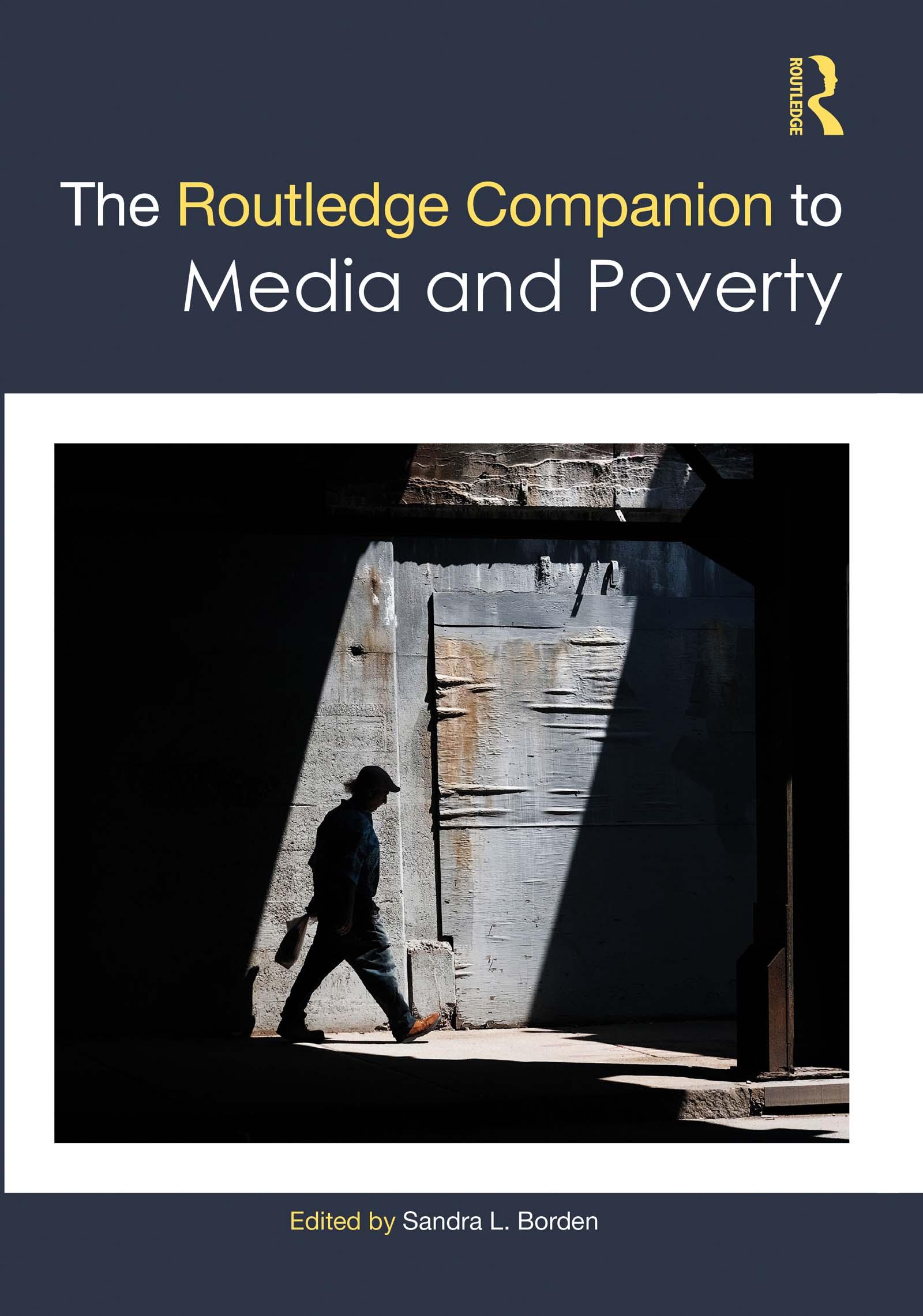
Comprehensive and interdisciplinary, this collection explores the complex, and often problematic, ways in which the news media shapes perceptions of poverty.
Editor Sandra L. Borden and a diverse collection of scholars and journalists question exactly how the news media can reinforce (or undermine) poverty and privilege. This book is divided into five parts that examine philosophical principles for reporting on poverty, the history and nature of poverty coverage, problematic representations of people experiencing poverty, poverty coverage as part of reporting on public policy and positive possibilities for poverty coverage. Each section provides an introduction to the topic, as well as a broad selection of essays illuminating key issues and a Q&A with a relevant journalist. Topics covered include news coverage of corporate philanthropy, structural bias in reporting, representations of the working poor, the moral demands of vulnerability and agency, community empowerment and citizen media. The book’s broad focus considers media and poverty at both the local and global levels with contributors from 16 countries.
This is an ideal reference for students and scholars of media, communication and journalism who are studying topics involving the media and social justice, as well as journalists, activists and policy makers working in these areas.
Pay easily by card, Klarna, Apple Pay or Google Pay. Not happy? You always have a 14-day money-back guarantee. Read more in our terms. If you have any questions, email us at hello@memmo.org.
Memmo makes studying easier – wherever you are in the world. We bring your course books and smart study tools together in one place: summaries, quizzes, podcasts and flashcards. Plus Ted, your study buddy who answers anything you wonder. Over 75,000 students already study here – built to help you learn faster and stress less.