
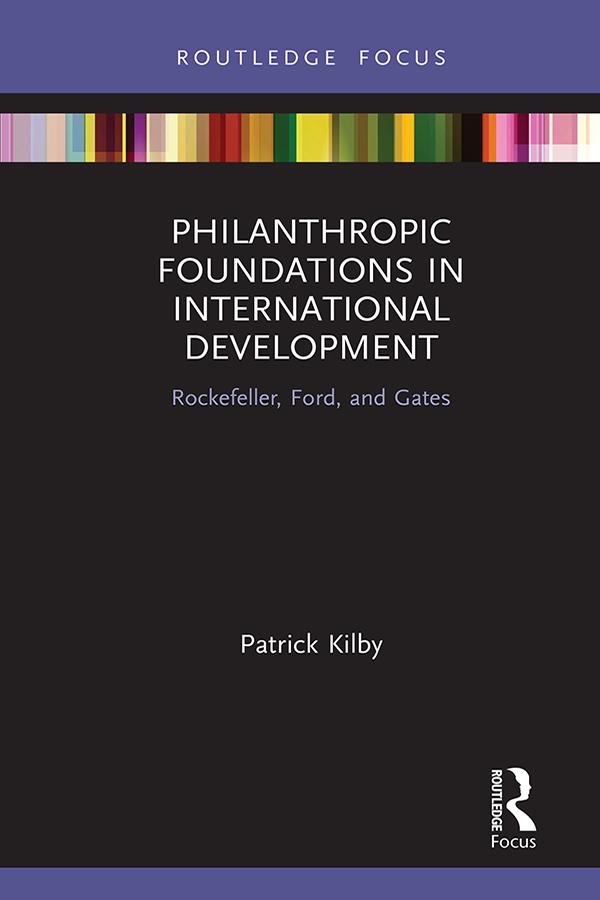
This book focuses on the influence of philanthropic foundations in global development, and on how the global south has engaged with them.
The idea of corporate philanthropy stretches back a long way, with the late 19th industrialist Andrew Carnegie seeing it as an important obligation of the very wealthy. In the modern day, Bill Gates has taken up this call, suggesting that the very wealthy should donate half their wealth to philanthropic causes, and endowing his own foundation with something in the order of $50 billion. This book brings together case studies of the most influential of these foundations over the last one hundred years: the Rockefeller, Ford, and Gates' Foundations, investigating their impact on education and research, health and agriculture. The book concludes by asking whether global south foundations such as Al Waleed Philanthropies, Tata Trusts, and those from China may point to the future of global philanthropic foundations.
The sheer scale of resources that foundations can devote to their work results in significant influence in global politics, to the point that Foundations can drive and even set government policy. This influence is likely to grow in the post-Covid environment, making this book an important resource for researchers, practitioners and policy makers working on global development.
Pay easily by card, Klarna, Apple Pay or Google Pay. Not happy? You always have a 14-day money-back guarantee. Read more in our terms. If you have any questions, email us at hello@memmo.org.
Memmo makes studying easier – wherever you are in the world. We bring your course books and smart study tools together in one place: summaries, quizzes, podcasts and flashcards. Plus Ted, your study buddy who answers anything you wonder. Over 50,000 students already study here – built to help you learn faster and stress less.