
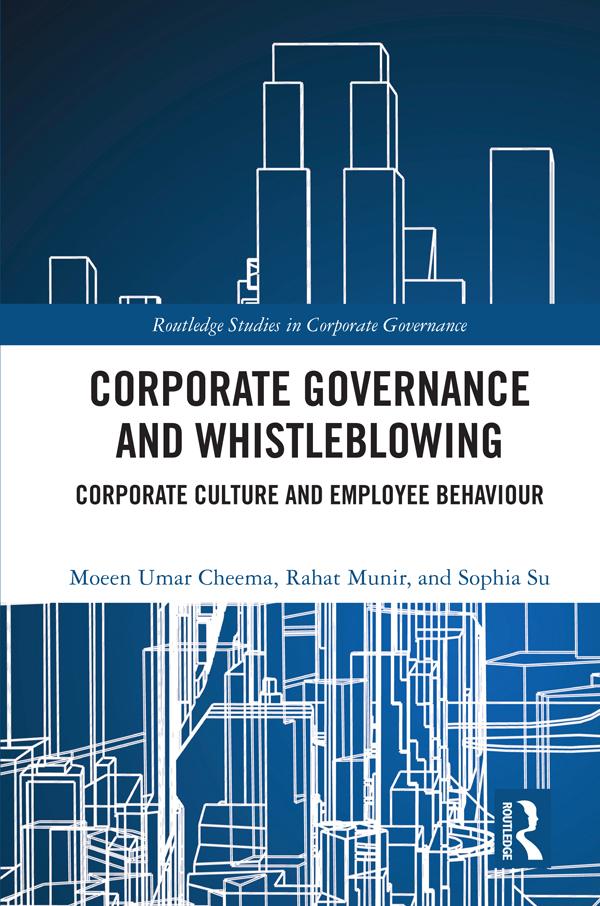
Whistleblowing is often about disclosing wrongdoings by members of organisations to persons or organisations that may be able to effect action. Media would at times publish stories of whistleblowers who engage in ‘heroic’ acts of exposing wrongdoings at work, but the whistlebowers often face significant negative consequences of their whistleblowing efforts. This book examines effects of national and organisational cultures on the whistleblowing decisions of employees.
The book provides empirical evidence of association between organisational culture and whistleblowing and there appears to be a lower likelihood of whistleblowing in organisations that focus more on the cultural dimensions of respect for people, innovation and stability. It also illustrates how remaining silent or blowing the whistle in response to observed wrongdoings affects employees’ key work-related attitudes.
This book would interest those wish to gain better understanding of the relationship between culture and whistleblowing in organisations.
Pay easily by card, Klarna, Apple Pay or Google Pay. Not happy? You always have a 14-day money-back guarantee. Read more in our terms. If you have any questions, email us at hello@memmo.org.
Memmo makes studying easier – wherever you are in the world. We bring your course books and smart study tools together in one place: summaries, quizzes, podcasts and flashcards. Plus Ted, your study buddy who answers anything you wonder. Over 50,000 students already study here – built to help you learn faster and stress less.