
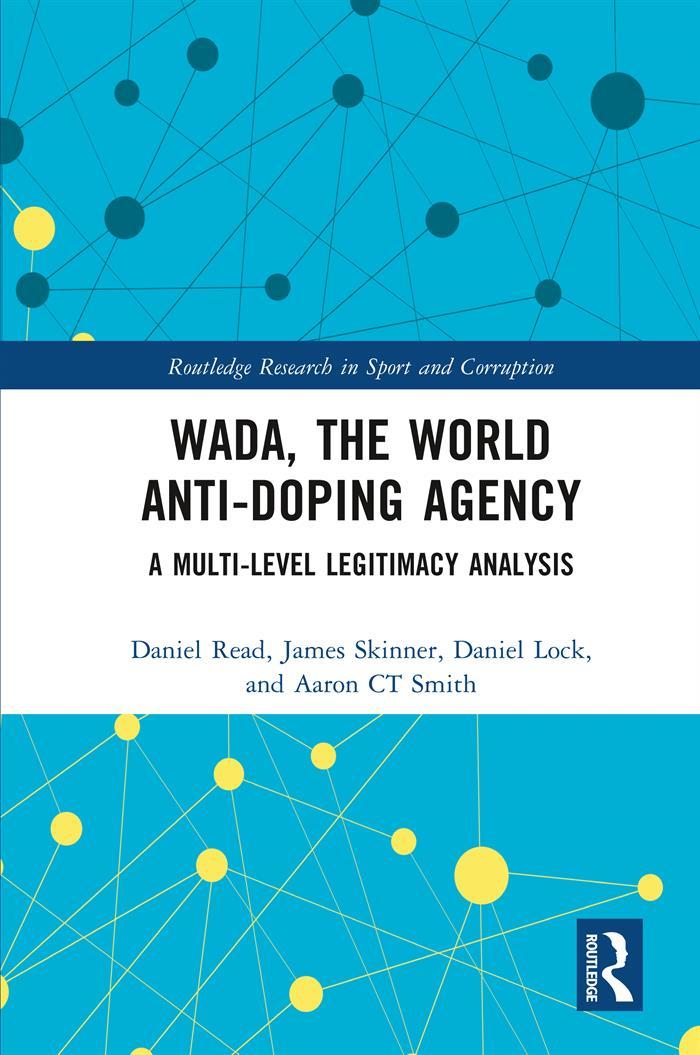
Examining the legitimacy of the World Anti-Doping Agency, this book offers a critical analysis of the anti-doping system and the social and behavioural processes that shape policy, asking why the current system is failing.
Featuring in-depth, contemporary case studies from around the world, including the whereabouts system; Lance Armstrong; therapeutic use exemptions; the Essendon Bombers; recreational drugs policy; and the Russian Olympic doping programme, this is the first text to analyse empirically how the legitimacy of WADA is constructed, contested and managed in the field of anti-doping, and the consequent impact this has on anti-doping. Based on the analysis of these case studies, the book discusses how legitimacy processes have shaped the current regulatory environment and offers structural and governance reforms to improve anti-doping policy design and implementation.
Adopting a unique theoretical perspective, rooted in a socio-cognitive perspective on organisational behaviour, this book is essential reading for any researcher or student working on drugs and doping in sport, sport management, the sociology of sport, governance, transnational organisations or strategic management. It also offers important insights for policymakers and administrators working in sport or in government.
Pay easily by card, Klarna, Apple Pay or Google Pay. Not happy? You always have a 14-day money-back guarantee. Read more in our terms. If you have any questions, email us at hello@memmo.org.
Memmo makes studying easier – wherever you are in the world. We bring your course books and smart study tools together in one place: summaries, quizzes, podcasts and flashcards. Plus Ted, your study buddy who answers anything you wonder. Over 75,000 students already study here – built to help you learn faster and stress less.