
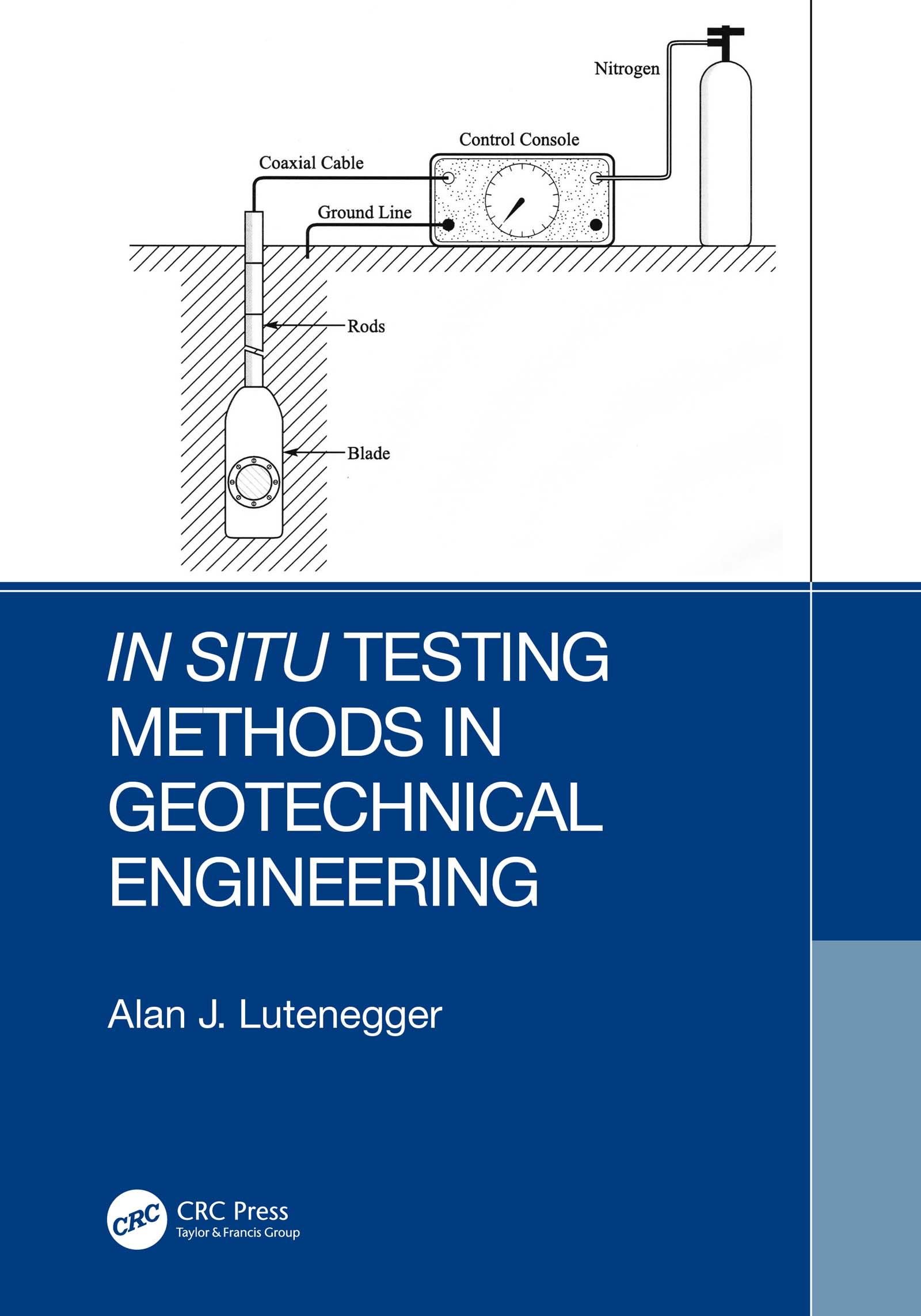
In Situ Testing Methods in Geotechnical Engineering covers the field of applied geotechnical engineering related to the use of in situ testing of soils to determine soil properties and parameters for geotechnical design. It provides an overview of the practical aspects of the most routine and common test methods, as well as test methods that engineers may wish to include on specific projects. It is suited for a graduate-level course on field testing of soils and will also aid practicing engineers.
Test procedures for determining in situ lateral stress, strength, and stiffness properties of soils are examined, as is the determination of stress history and rate of consolidation. Readers will be introduced to various approaches to geotechnical design of shallow and deep foundations using in situ tests. Importantly, the text discusses the potential advantages and disadvantages of using in situ tests.
Pay easily by card, Klarna, Apple Pay or Google Pay. Not happy? You always have a 14-day money-back guarantee. Read more in our terms. If you have any questions, email us at hello@memmo.org.
Memmo makes studying easier – wherever you are in the world. We bring your course books and smart study tools together in one place: summaries, quizzes, podcasts and flashcards. Plus Ted, your study buddy who answers anything you wonder. Over 50,000 students already study here – built to help you learn faster and stress less.