
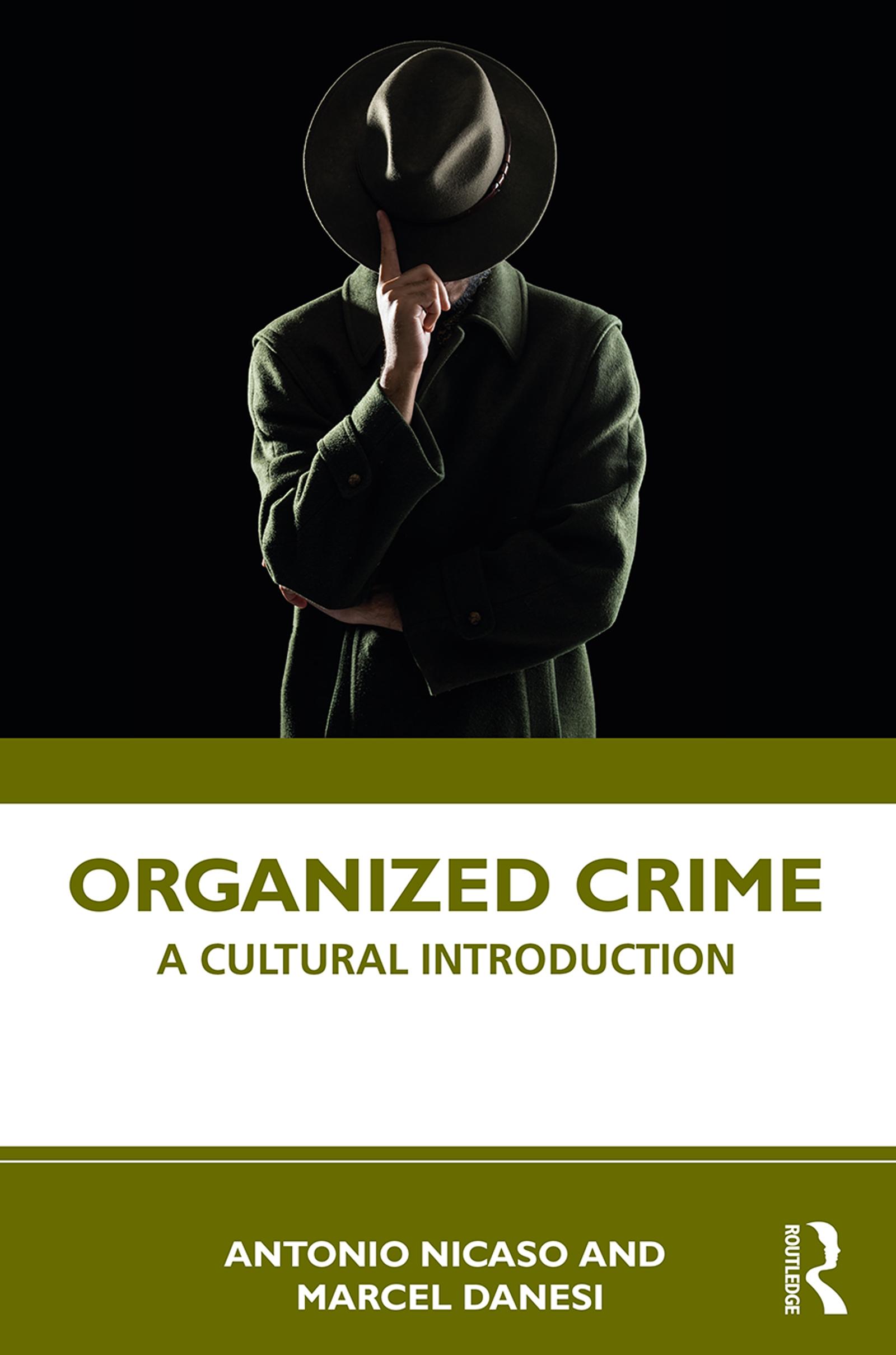
This book aims to describe and demystify what makes criminal gangs so culturally powerful. It examines their codes of conduct, initiation rites, secret communications methods, origin myths, symbols, and the like that imbue the gangsters with the pride and nonchalance that goes hand in hand with their criminal activities. Mobsters are everywhere in the movies, on television, and on websites. Contemporary societies are clearly fascinated by them. Why is this so? What feature and constituents of organized criminal gangs make them so emotionally powerful—to themselves and others? These are the questions that have guided the writing of this textbook, which is intended as an introduction to organized crime from the angle of cultural analysis. Key topics include:
• An historic overview of organized crime, including the social, economic, and cultural conditions that favour its development;
• A review of the type of people who make up organized gangs and the activities in which they engage;
• The symbols, rituals, codes and languages that characterize criminal institutions;
• The relationship between organized crime and cybercrime;
• The role of women in organized crime;
• Drugs and narco-terrorism;
• Media portrayals of organized crime.
Organized Crime includes case studies and offers an accessible, interdisciplinary approach to the subject of organized crime. It is essential reading for students engaged with organized crime across criminology, sociology, anthropology and psychology.
Pay easily by card, Klarna, Apple Pay or Google Pay. Not happy? You always have a 14-day money-back guarantee. Read more in our terms. If you have any questions, email us at hello@memmo.org.
Memmo makes studying easier – wherever you are in the world. We bring your course books and smart study tools together in one place: summaries, quizzes, podcasts and flashcards. Plus Ted, your study buddy who answers anything you wonder. Over 50,000 students already study here – built to help you learn faster and stress less.