
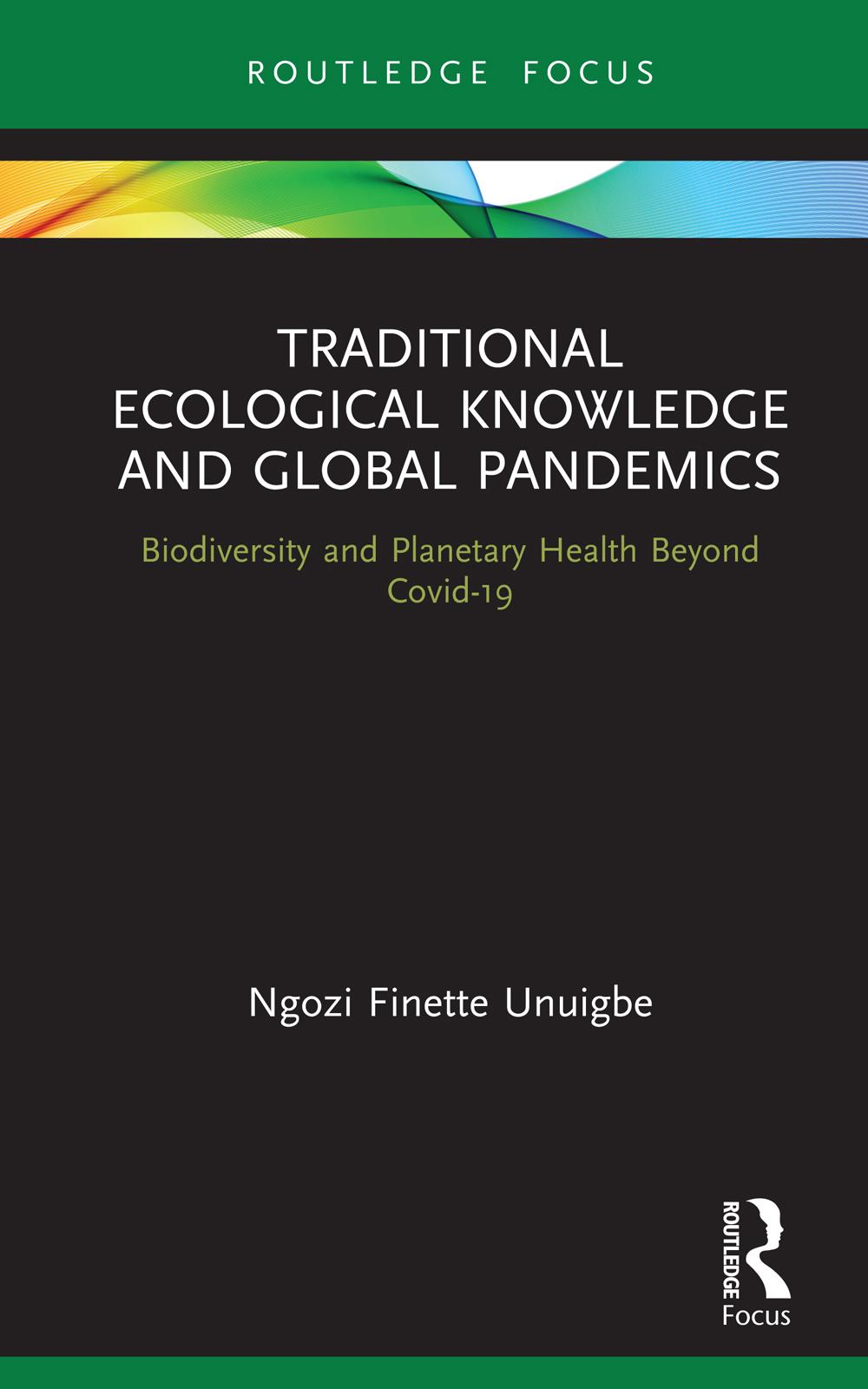
This book demonstrates the importance and potential role of Traditional Ecological Knowledge in foreseeing and curbing future global pandemics.
The reduction of species diversity has increased the risk of global pandemics and it is therefore not only imperative to articulate and disseminate knowledge on the linkages between human activities and the transmission of viruses to humans, but also to create policy pathways for operationalizing that knowledge to help solve future problems. Although this book has been prompted by the COVID-19 pandemic, it lays a policy foundation for the effective management or possible prevention of similar pandemics in the future. One effective way of establishing this linkage with a view to promoting planet health is by understanding the traditional ecological knowledge of indigenous peoples with a view to demonstrating the significant impact it has on keeping nature intact. This book argues for the deployment of traditional ecological knowledge for land use management in the preservation of biodiversity as a means for effectively managing the transmission of viruses from animals to humans and ensuring planetary health. The book is not projecting traditional ecological knowledge as a panacea to pandemics but rather accentuating its critical role in the effective mitigation of future pandemics.
This book will be of great interest to students and scholars of traditional ecological knowledge, indigenous studies, animal ecology, environmental ethics and environmental studies more broadly.
Pay easily by card, Klarna, Apple Pay or Google Pay. Not happy? You always have a 14-day money-back guarantee. Read more in our terms. If you have any questions, email us at hello@memmo.org.
Memmo makes studying easier – wherever you are in the world. We bring your course books and smart study tools together in one place: summaries, quizzes, podcasts and flashcards. Plus Ted, your study buddy who answers anything you wonder. Over 50,000 students already study here – built to help you learn faster and stress less.