
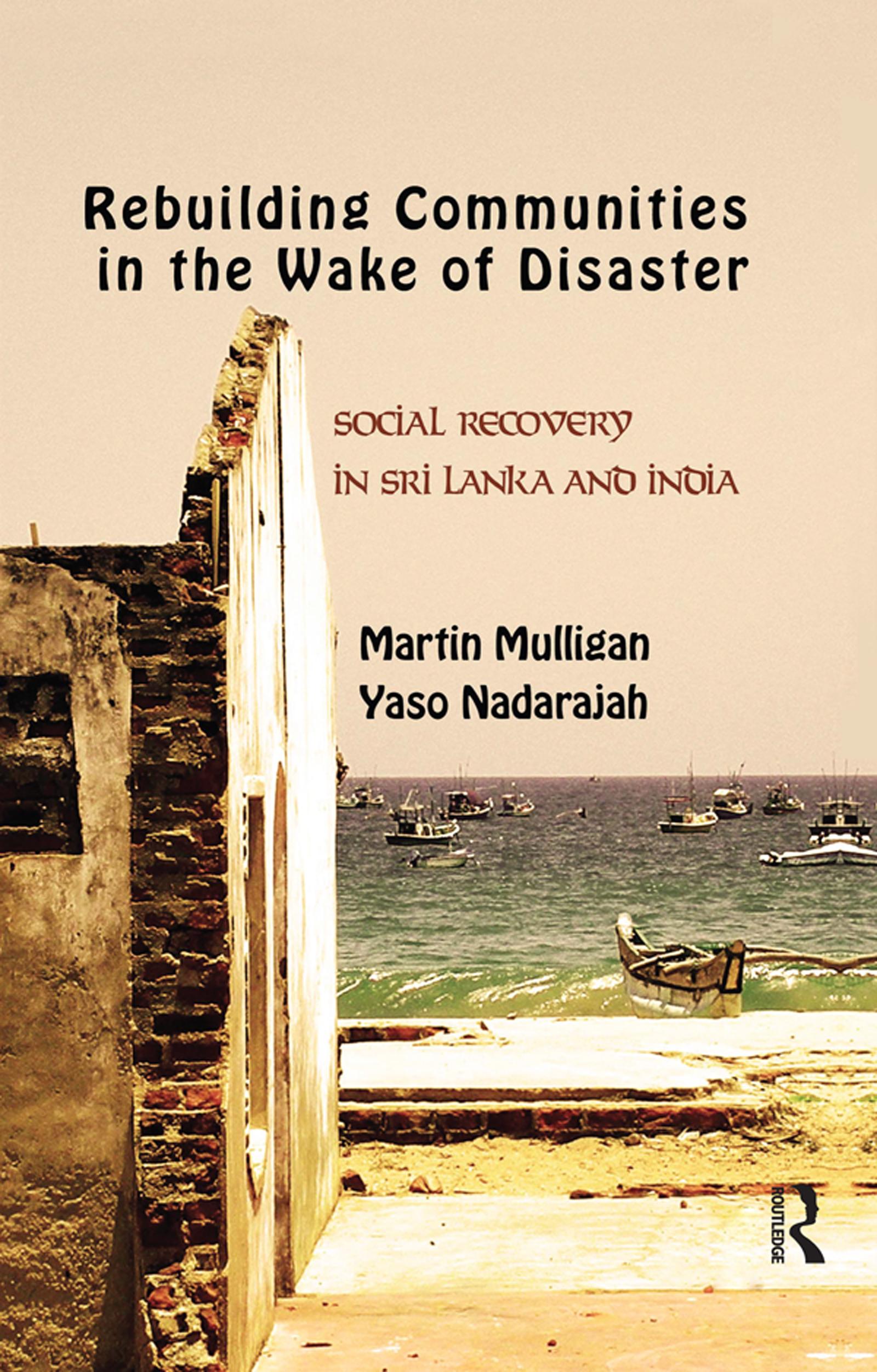
This book examines the sociological consequences of disaster relief and recovery, and uncovers its impact on the communities that were affected by the Indian Ocean tsunami in 2004. It is the most extensive and intensive study of post-disaster community rebuilding yet reported in the literature on the subject. The authors draw on this research to develop a three-phase strategy for moving from quick and effective relief to long-term social recovery work.
While there have been many big natural disasters since then, none have affected so many local communities spread over so many nations and none have evoked the same kind of global response. A great deal of post-tsunami recovery work was done in India and Sri Lanka, with more than 500 international aid and humanitarian agencies involved in Sri Lanka alone – many with little experience in long-term community development. This book argues that international aid agencies must work patiently to put in place meaningful partnerships with local, community-based organisations as soon as long-term physical and social planning becomes possible.
The authors explain that such an approach could help address some pre-existing vulnerabilities in disaster-affected communities. They argue that it is much easier to rebuild damaged infrastructure than to rebuild shattered lives, and to ensure that traumatised communities are not put under new stresses and strains, the ‘fault-lines’ within these communities need to be lessened.
Pay easily by card, Klarna, Apple Pay or Google Pay. Not happy? You always have a 14-day money-back guarantee. Read more in our terms. If you have any questions, email us at hello@memmo.org.
Memmo makes studying easier – wherever you are in the world. We bring your course books and smart study tools together in one place: summaries, quizzes, podcasts and flashcards. Plus Ted, your study buddy who answers anything you wonder. Over 50,000 students already study here – built to help you learn faster and stress less.