
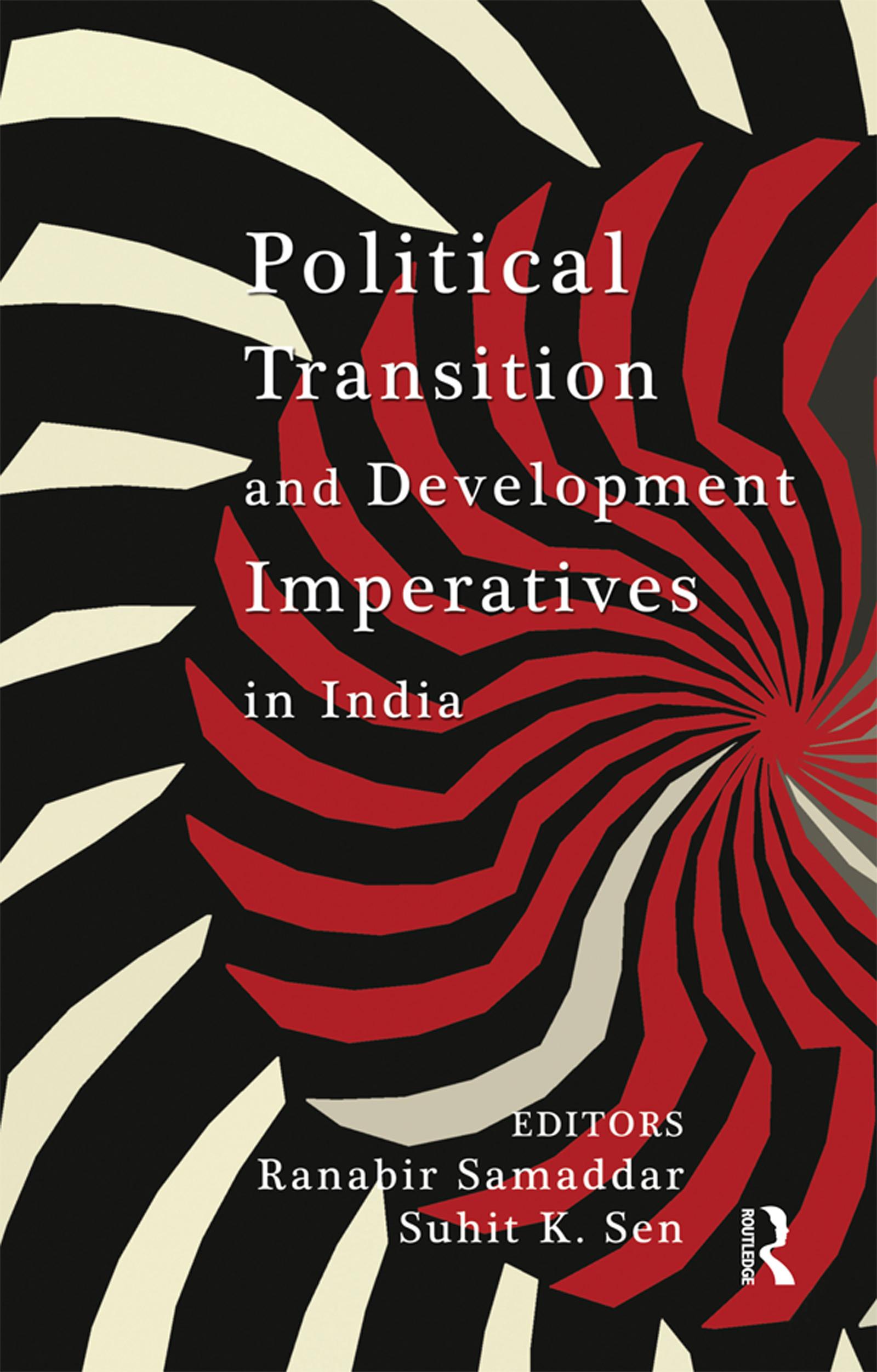
This volume explores the transition from colonial to constitutional rule in India, and the various configurations of power and legitimacies that emerged from it. It focuses on the developmental structures and paradigms that provided the circumstances for this transition, and the establishment of the post-colonial state. Different articles interrogate the idea of liberal constitutionalism, the spaces it provides for rights and claims, the assumptions it makes about citizenship and its attendant duties, and the assumptions it further makes about what it can, or has to, become in the particular situation of India.
The book locates these questions in the reconfiguration of society, power, and the economy since the shift in the identity of the state after Independence, and deals with issues of constitution-making in a historical and political setting and its outcomes, especially the centrality of law and legalisms, in shaping civil society. With a companion volume on the transition to a constitutional form of governance and the consequent moulding of the citizens, this book emphasises continuity and change in the context of the movement from the colonial to the constitutional order.
It will be of interest to those in politics, history, South Asian studies, policy studies, and sociology.
Pay easily by card, Klarna, Apple Pay or Google Pay. Not happy? You always have a 14-day money-back guarantee. Read more in our terms. If you have any questions, email us at hello@memmo.org.
Memmo makes studying easier – wherever you are in the world. We bring your course books and smart study tools together in one place: summaries, quizzes, podcasts and flashcards. Plus Ted, your study buddy who answers anything you wonder. Over 50,000 students already study here – built to help you learn faster and stress less.