
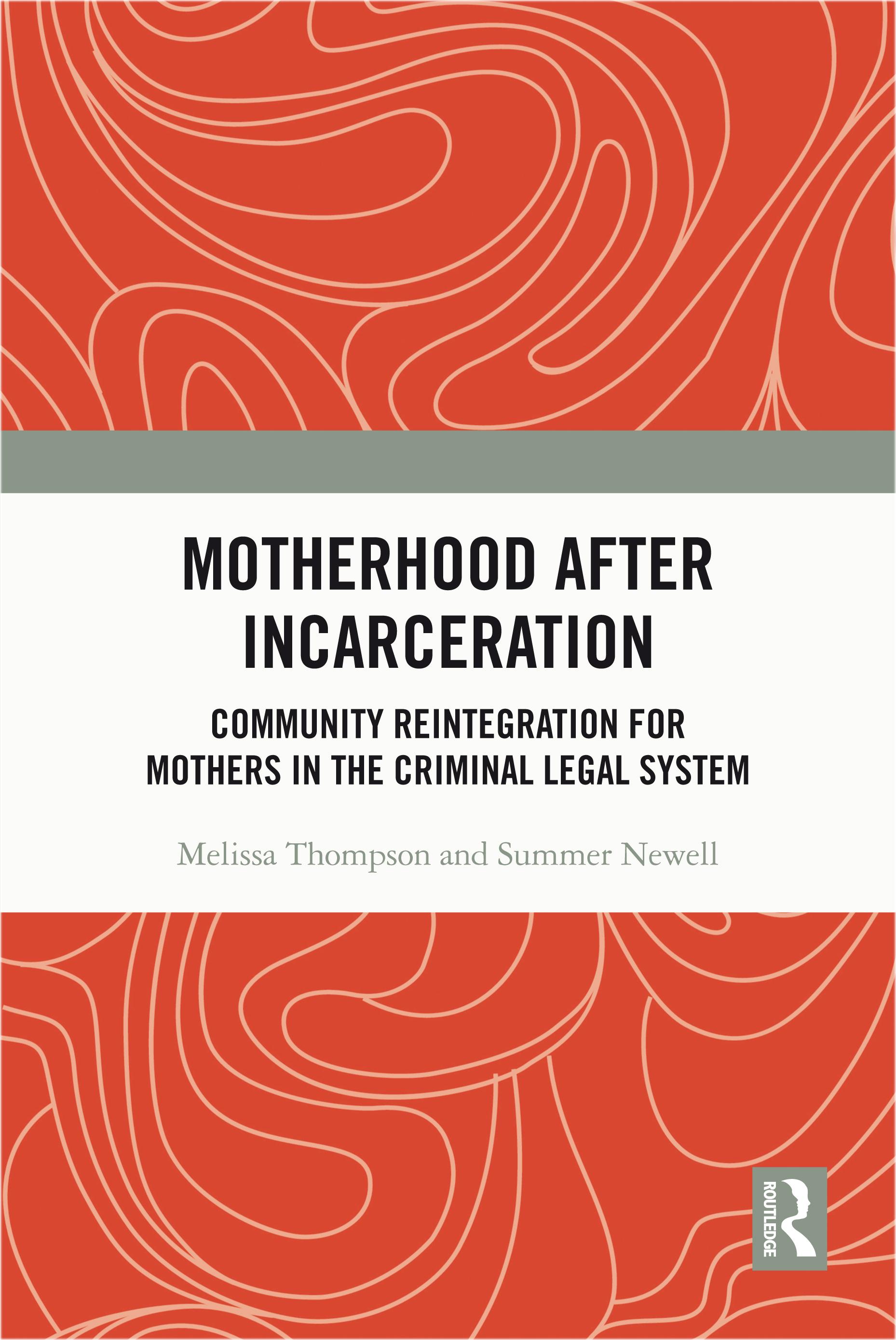
Motherhood after Incarceration: Community Reintegration for Mothers in the Criminal Legal System explores the relationships of women with their children immediately after periods of incarceration. The analysis draws on in-depth interviews with 39 women who are mothers and who had recently been released in the Portland, Oregon, metropolitan area. Using data collected from these interviews, the authors address three interrelated questions: (1) How does incarceration affect mother/child bonds? (2) What obstacles interfere with successful reintegration of these mothers into the community? (3) Do mothers who regain immediate custody of their children after incarceration reintegrate better than those with delayed (or no) resumption of child custody? Implications of these findings for policy are explored.
The research results demonstrate the struggles justice-involved mothers experience over time as they seek to reintegrate into the community and resolve their relationships with their children, while also struggling with employment, housing, family relationships, and avoiding situations that might ultimately lead to recidivism. The authors suggest that policies for reducing recidivism among reentering women should provide more resources for housing, childcare, mental health, and job training and coaching. Further, there are often behavioral and emotional repercussions associated with the lengthy separation of mother and child, which highlights the need for parenting support for these mothers and their children, including social and emotional counseling, and resources directed toward the maintenance of family ties.
This book’s detailed look at motherhood after incarceration, both for mothers with custody and without, will appeal to academics, policy makers, community advocates and activists, and undergraduate and graduate students in social science courses on correctional policy, gender and crime, and social work.
Pay easily by card, Klarna, Apple Pay or Google Pay. Not happy? You always have a 14-day money-back guarantee. Read more in our terms. If you have any questions, email us at hello@memmo.org.
Memmo makes studying easier – wherever you are in the world. We bring your course books and smart study tools together in one place: summaries, quizzes, podcasts and flashcards. Plus Ted, your study buddy who answers anything you wonder. Over 50,000 students already study here – built to help you learn faster and stress less.