
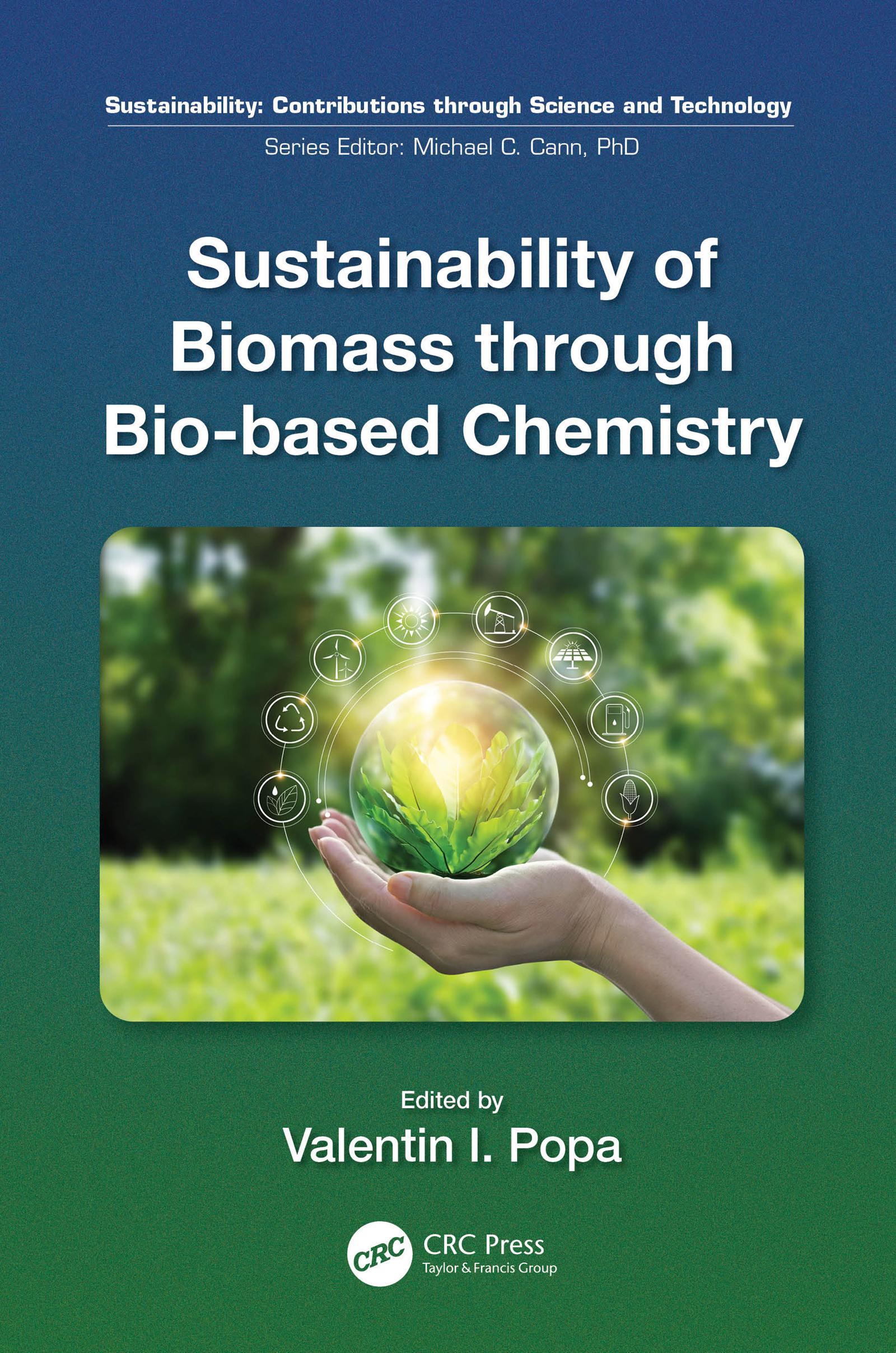
The process of photosynthesis is a potential source of energy and bioproducts. Renewable sources of polymeric materials offer an answer to maintaining sustainable development of economically and ecologically attractive technology. The innovations in the development of materials from biopolymers, preservation of fossil-based raw materials, complete biological degradability, reduction in the volume of garbage and compostability in the natural cycle, climate protection through reduction of carbon dioxide released, and the application possibilities of agricultural resources for the production of bio/green materials are some of the reasons why such materials are attracting public interest.
FEATURES
- Discusses waste from urban areas, forestry and agricultural processes, specifically grown crops such as trees, starch crops, sugar crops hydrocarbon plants and oils, and finally aquatic plants such as water seaweeds and algae, which can be used as raw materials for sustainable development.
- Presents recent advances in the development of some specifically chemical components of biomasses for a sustainable future.
- Focuses on lignocellulose as a source of bio-based products.
- Draws upon expertise from various countries.
- Describes how upgraded and integrated biomass processing may reduce the risks associated with the COVID-19 pandemic.
Valentin I. Popa is professor emeritus of Wood Chemistry and Biotechnology at Gheorghe Asachi Technical University of Iasi, Romania.
Pay easily by card, Klarna, Apple Pay or Google Pay. Not happy? You always have a 14-day money-back guarantee. Read more in our terms. If you have any questions, email us at hello@memmo.org.
Memmo makes studying easier – wherever you are in the world. We bring your course books and smart study tools together in one place: summaries, quizzes, podcasts and flashcards. Plus Ted, your study buddy who answers anything you wonder. Over 50,000 students already study here – built to help you learn faster and stress less.