
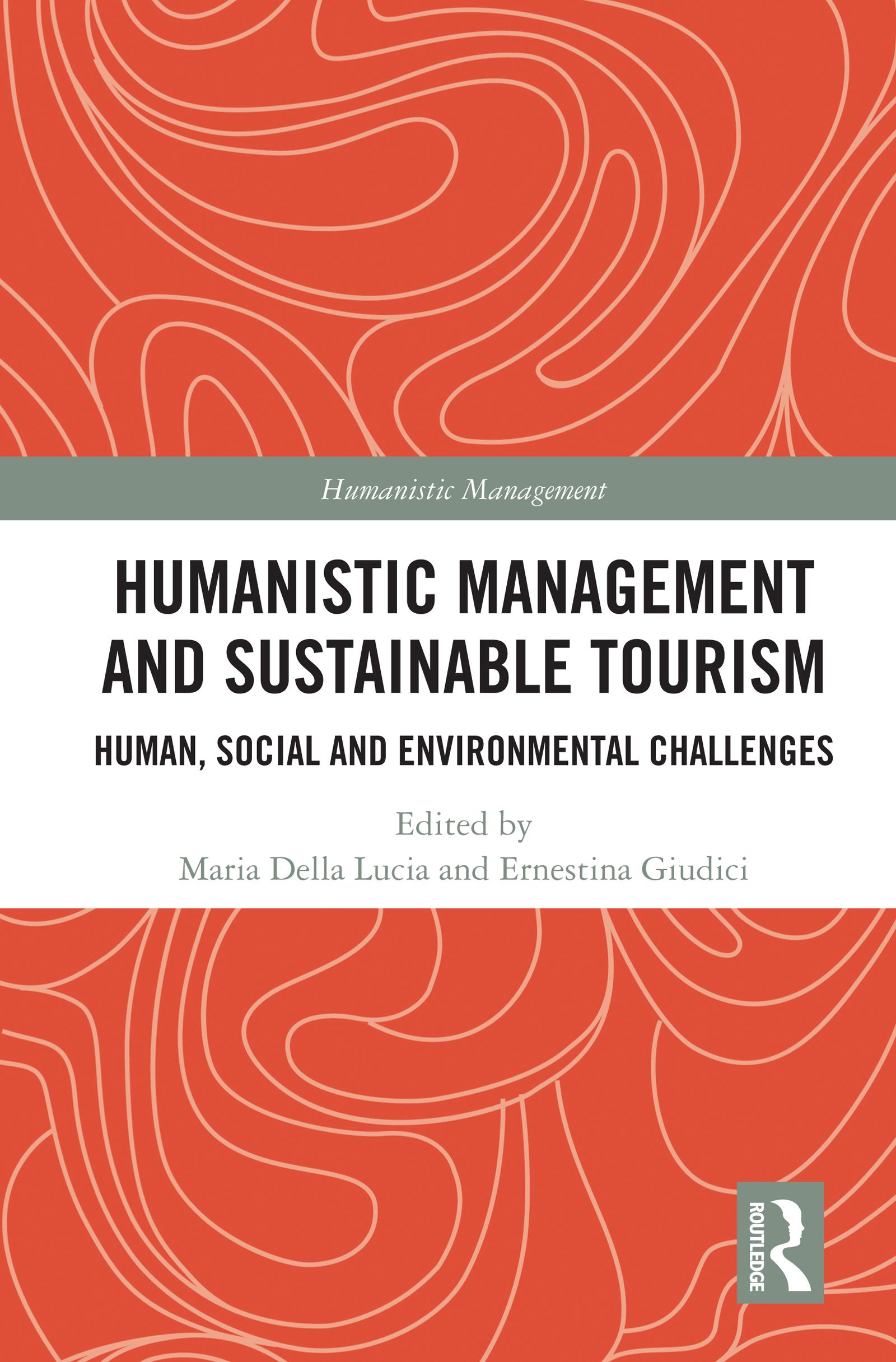
Tourism is a fast-growing and changing industry, which has become a driver of economic development in both developed and underdeveloped countries. While the tourism industry’s potential for shared value creation and sustainable development is acknowledged, the concerns around the environmental and social pressures remain a challenge for businesses, organizations, and destinations. This is because sustainable tourism arguably conflicts with the predominant neoliberal structure of the economy and with the hierarchical, profit- and consumption-driven societies. The emphasis on competition, growth, and profitability may undermine economic viability itself by consuming unreproducible resources and by undermining the six essential elements—dignity, people, prosperity, social justice, planet, and partnership—that are conceptually linked to sustainable development. The crises recurrently challenging the global travel and tourism environment, including climate change, bushfires, extreme weather disasters, pandemics, and the financial crisis, show the weaknesses of neoliberal approaches and the collective economic dependency of countries on tourism that is vulnerable, if not completely unsustainable. This vulnerability asks for understanding that the collective future depends on developing entirely new approaches and interpretation of tourism to effectively respond to the human, societal, social, and climate challenges.
This book offers a novel and original perspective entailing the application of a humanistic management approach to sustainable tourism, which is centered on the value of human life, the protection of human dignity and the promotion of well-being. Multiple theoretical approaches, methods, and practical cases, on an international scale, shed light on shared value creation and human dignity as a necessary condition for its achievement in different contexts. Implicitly and explicitly, they respond to the current urgency to implement strategies to recover from the worldwide impact of the pandemic crisis and to provide a vision of what tourism could and should be when it recovers. It will be of interest to researchers, academics, professionals, and postgraduates in the fields of management, sustainability, and tourism development.
Pay easily by card, Klarna, Apple Pay or Google Pay. Not happy? You always have a 14-day money-back guarantee. Read more in our terms. If you have any questions, email us at hello@memmo.org.
Memmo makes studying easier – wherever you are in the world. We bring your course books and smart study tools together in one place: summaries, quizzes, podcasts and flashcards. Plus Ted, your study buddy who answers anything you wonder. Over 50,000 students already study here – built to help you learn faster and stress less.