
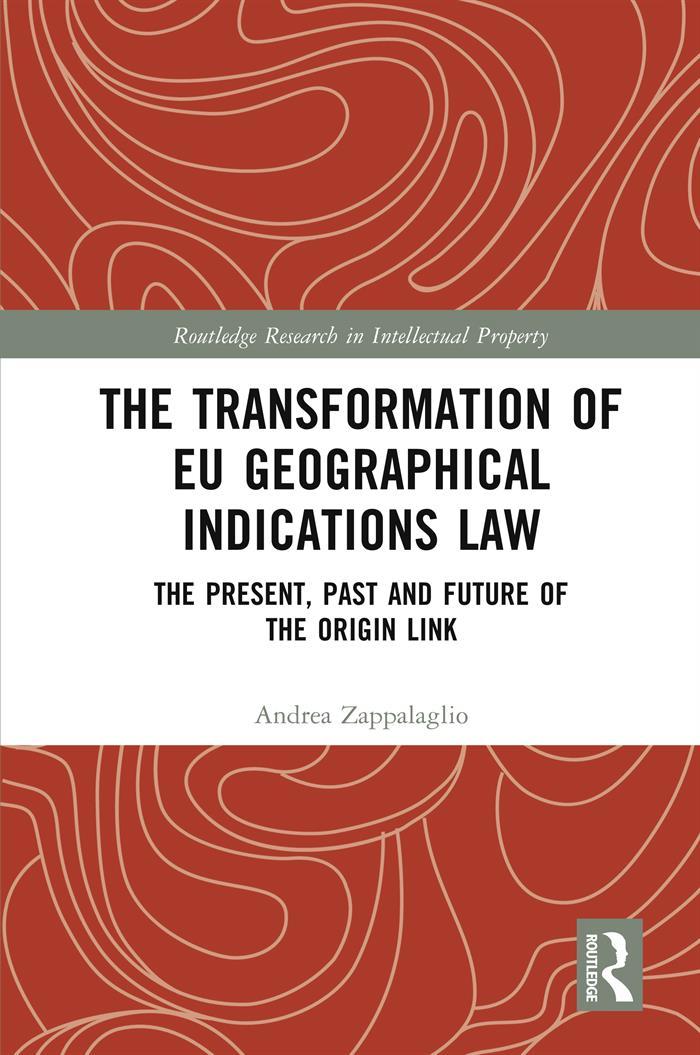
Linking traditional and local products to a specific area is increasingly felt as a necessity in a globalised market, and Geographical Indications (GIs) are emerging as a multifunctional tool capable of performing this and many other functions. This book analyses the evolving nature of EU sui generis GIs by focusing on their key element, the origin link, and concludes that the history of the product in the broad sense has become a major factor to prove the link between a good and a specific place.
For the first time, this area of Intellectual Property Law is investigated from three different, although interrelated, perspectives: the history and comparative assessment of the systems of protection of Indications of Geographical Origin adopted in the European jurisdictions from the beginning of the 20th century; the empirical analysis of the trends emerging from the practice of EUGIs; and the policy debates surrounding them and their importance for the fulfilment of the general goals of the EU Common Agricultural Policy. The result is an innovative and rounded analysis of the very nature of the EU Law of GIs that, starting from its past, investigates the present and the likely future of this Intellectual Property Right.
This book provides an interesting and innovative contribution to the field and will be of interest to GI scholars and Intellectual Property students, as well as anyone willing to gain a better understanding of this compelling area of law.
Pay easily by card, Klarna, Apple Pay or Google Pay. Not happy? You always have a 14-day money-back guarantee. Read more in our terms. If you have any questions, email us at hello@memmo.org.
Memmo makes studying easier – wherever you are in the world. We bring your course books and smart study tools together in one place: summaries, quizzes, podcasts and flashcards. Plus Ted, your study buddy who answers anything you wonder. Over 50,000 students already study here – built to help you learn faster and stress less.