
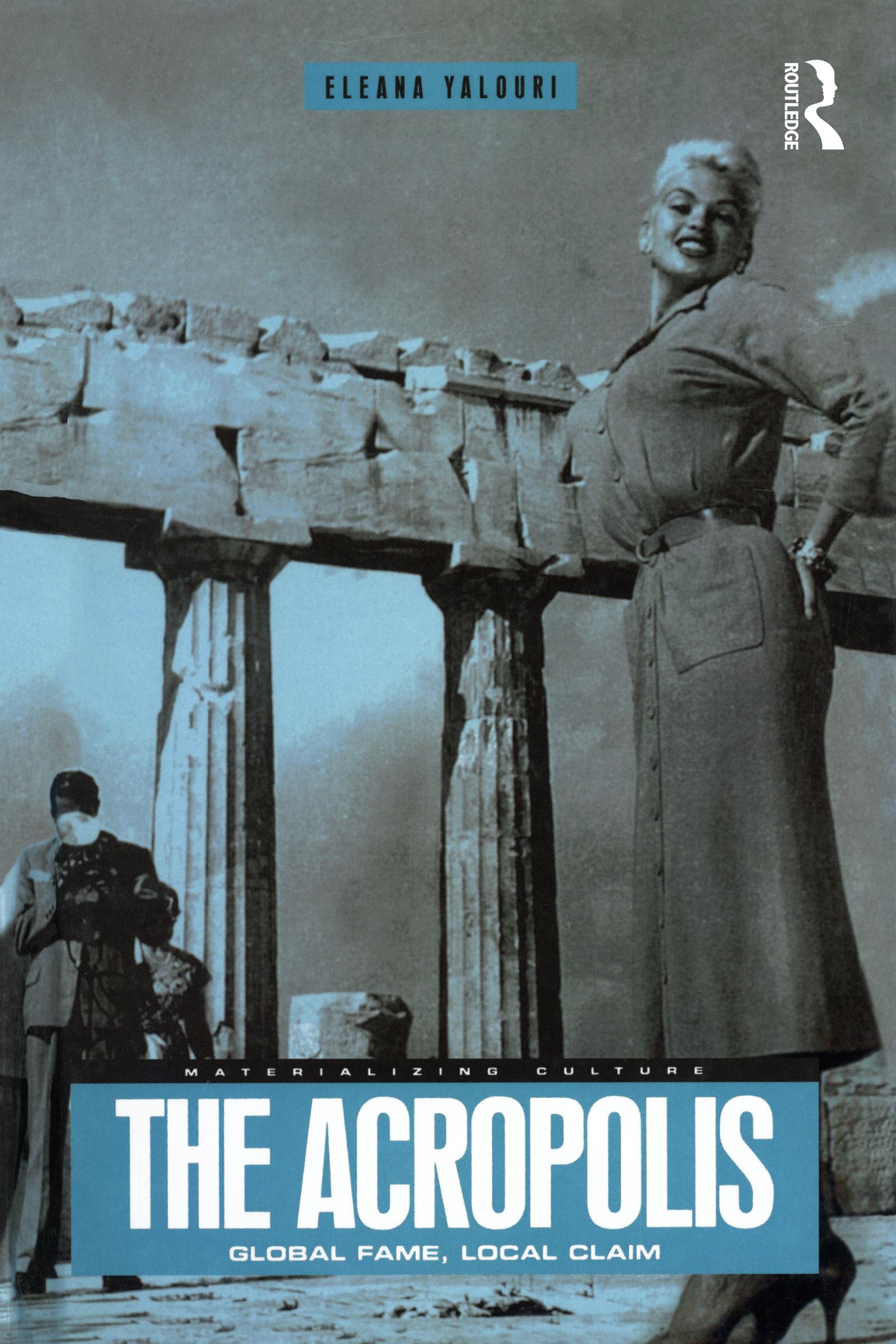
The Acropolis in Athens has captured the imaginations of readers, writers and travellers for centuries and every year draws crowds from all over the world. One of the world's most famous heritage sites, it has long been a national monument of Greece and a potent symbol of western civilization. But the Acropolis is typically viewed in the context of 5th-century-BC Athenian society, while the multiple local and international meanings and identities that the site shapes today are overlooked. This book looks at the meaning of the Acropolis in contemporary Greece. How are global ideas adopted and adapted by local cultures? How do Greeks deal with the national and international features of their ancient classical heritage? How do the global cultural constructions surrounding the Acropolis become part of local practices which project Greek cultural difference?The author examines this historic site as a powerful agent for negotiations of power on an international level. Drawing from a wide range of sources as well as original fieldwork, this handsomely illustrated book will make compelling reading for anyone interested in heritage issues, archaeology, anthropology material culture studies, and tourism.
Pay easily by card, Klarna, Apple Pay or Google Pay. Not happy? You always have a 14-day money-back guarantee. Read more in our terms. If you have any questions, email us at hello@memmo.org.
Memmo makes studying easier – wherever you are in the world. We bring your course books and smart study tools together in one place: summaries, quizzes, podcasts and flashcards. Plus Ted, your study buddy who answers anything you wonder. Over 75,000 students already study here – built to help you learn faster and stress less.
You might also like
Buy the book0