
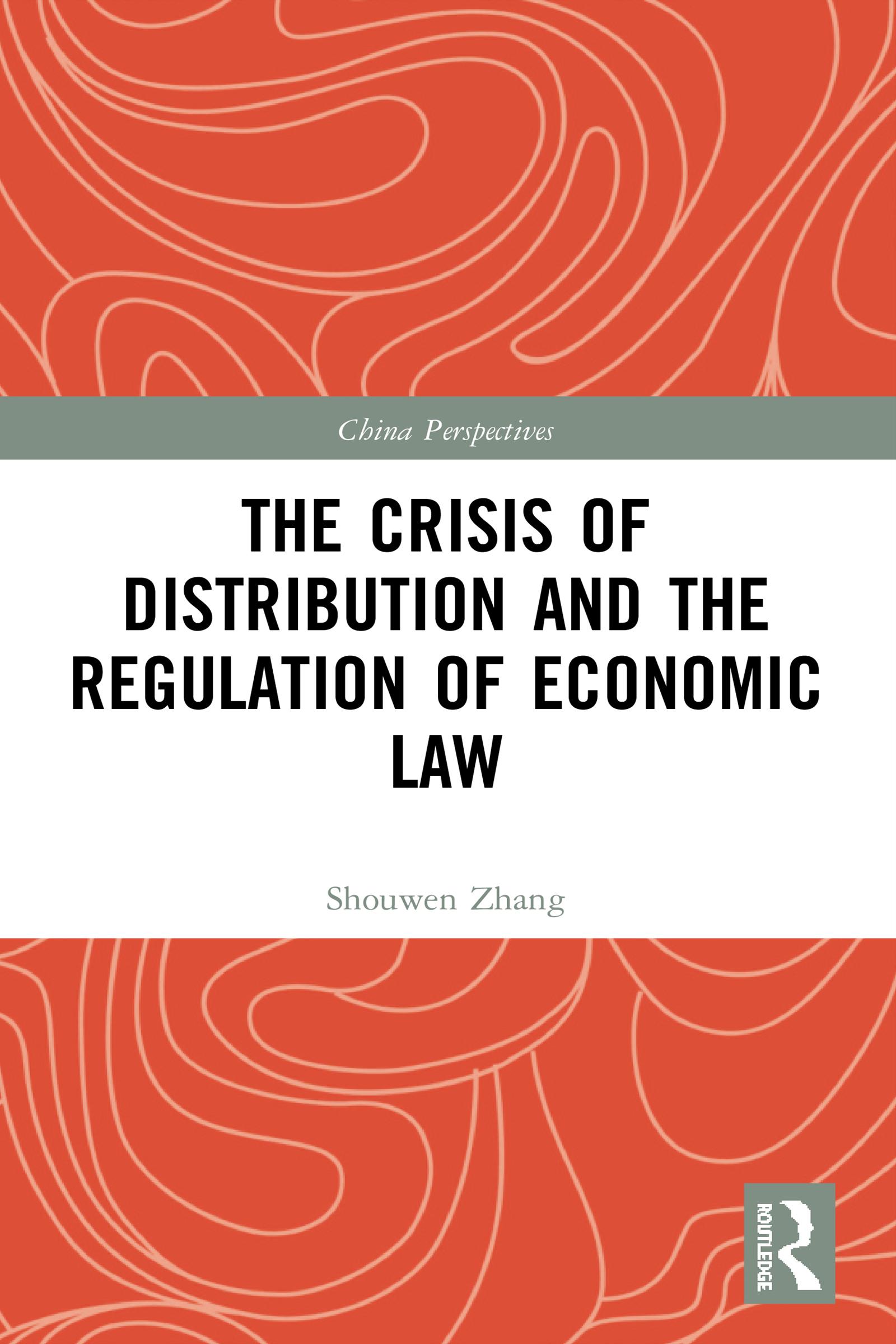
The crisis of distribution is one of the longest standing and complicated issues facing human society. Imbued with social, political, historic, and cultural elements, it varies significantly across different countries as a result of all these factors. As an emerging economy which transferred from a planned to a market economy, China has experienced large distribution gaps since it implemented the Reform and Opening-up Policy in the early 1980s, requiring stronger economic law to mitigate and regulate the crisis of distribution.
The two volumes examine the crisis of distribution that China faces and proposes policy and economic law methods that can be used to overcome the distribution dilemma. The author discusses the four main concepts and focus points of the crisis of distribution – distribution itself, the crises it faces, the rule of law and development before proposing a theoretical framework of "system–distribution–development" to resolve distribution problems that China faces.
The set should be of keen interest to researchers and students of law, economics, and political science.
Pay easily by card, Klarna, Apple Pay or Google Pay. Not happy? You always have a 14-day money-back guarantee. Read more in our terms. If you have any questions, email us at hello@memmo.org.
Memmo makes studying easier – wherever you are in the world. We bring your course books and smart study tools together in one place: summaries, quizzes, podcasts and flashcards. Plus Ted, your study buddy who answers anything you wonder. Over 50,000 students already study here – built to help you learn faster and stress less.