
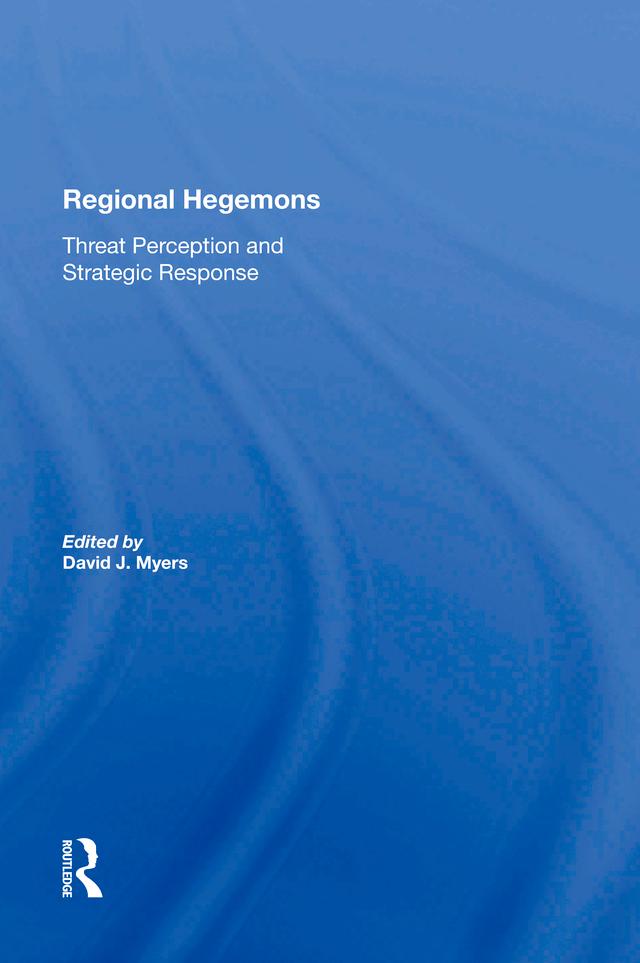
The bitter U.S. experience in Vietnam and the pain inflicted on theSoviet Union by its Afghanistan adventure have caused Washington andMoscow to rethink the costs and benefits of unilateral military interventionon behalf of threatened clients, especially in the third world. Also, asthe Cold War winds down, the crusading spirit that has driven superpowercompetition since the end of World War II appears increasingly anachronistic.Expenditures by the superpowers in pursuit of military superiority,or even to ensure parity, are now criticized for the security theydo not provide or for detracting from economic growth. The lattercriticism has grown in importance as the U.S. economy has confrontednew challenges from Japan and Germany and as the Soviet economystruggles to avoid collapse. Thus when Saddam Hussein's August 1990invasion of Kuwait challenged the political and economic status quo inthe oil-rich Middle East, neither the United States nor the Soviet Unionresponded unilaterally. Cooperatively they crafted an international consensusto confront the challenge.
Pages: 392
Category: Statsvetenskap & Politik
e-ISBN: 9781000309454
Shipping weight: 1.2 kg
Ships in: 1-2 days
Pay easily by card, Klarna, Apple Pay or Google Pay. Not happy? You always have a 14-day money-back guarantee. Read more in our terms. If you have any questions, email us at hello@memmo.org.
Memmo makes studying easier – wherever you are in the world. We bring your course books and smart study tools together in one place: summaries, quizzes, podcasts and flashcards. Plus Ted, your study buddy who answers anything you wonder. Over 50,000 students already study here – built to help you learn faster and stress less.
You might also like
Buy the book0