
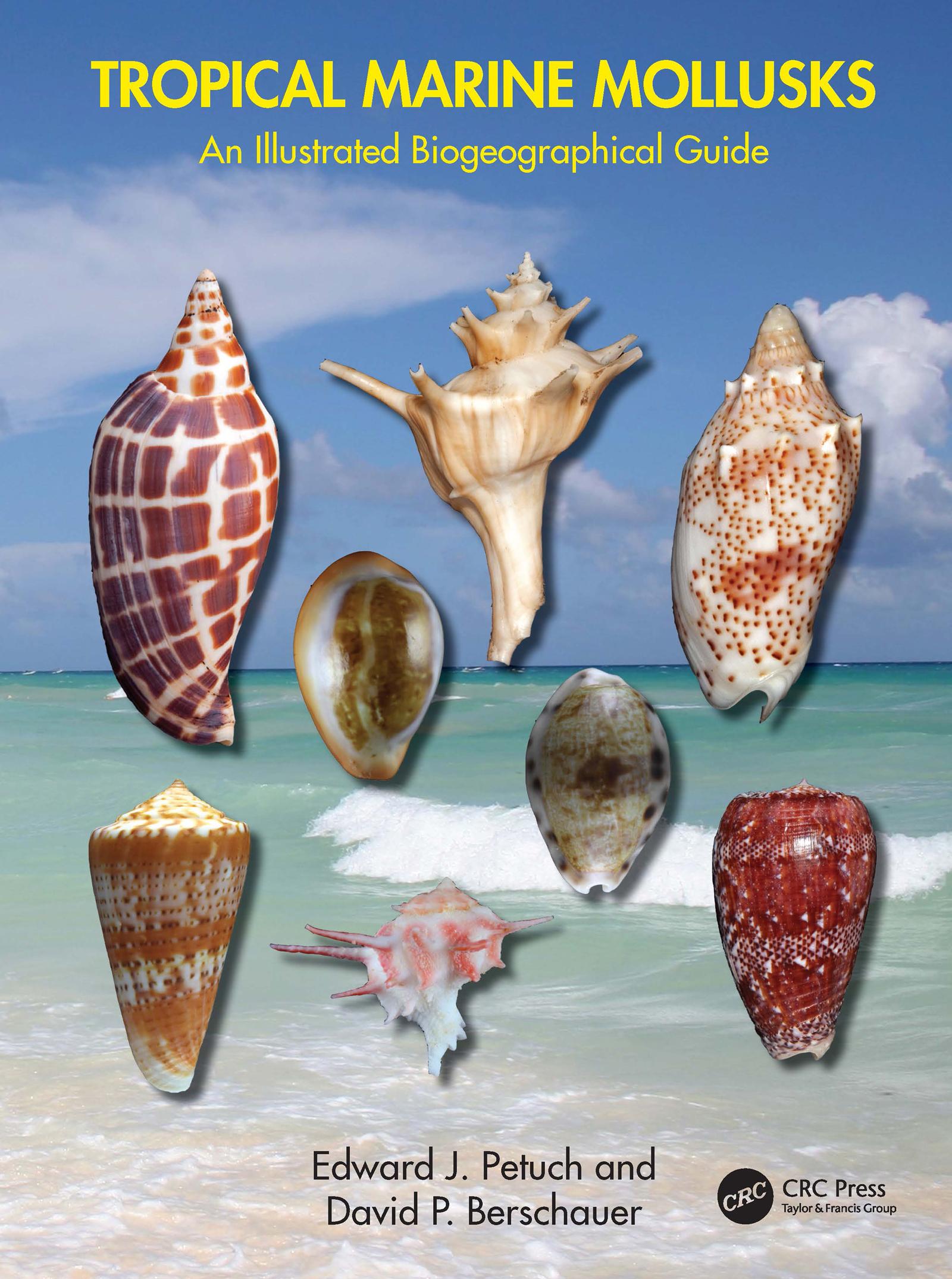
Marine biogeography, the study of the spatial distribution of organisms in the world’s oceans, is one of the most fascinating branches of oceanography. This book continues the pioneering research into the distributions of molluscan faunas, first studied by biologists over 160 years ago. It illustrates 1778 species of gastropods in full color, many of which are extremely rare and poorly known endemic species that are illustrated for the first time outside of their original descriptions.
The spatial arrangements of malacofaunas shown in this book can be considered proxies for worldwide oceanic conditions and used as tools for determining patterns of global climate change. The book's documentation of evolutionary "hot spots" and geographically restricted endemic faunas can also be used as a base line for future studies on patterns of environmental deterioration and extinction in the marine biosphere.
Documenting the evolution of the amazingly rich worldwide gastropod fauna, this book will appeal to physical and chemical oceanographers, systematic and evolutionary biologists, historical geologists, paleontologists, climatologists, geomorphologists, and physical geographers. The authors incorporate aspects of all of these disciplines into a new classification system for the nomenclature of biogeographical spatial units found in tropical, subtropical, and warm temperate seas.
Pay easily by card, Klarna, Apple Pay or Google Pay. Not happy? You always have a 14-day money-back guarantee. Read more in our terms. If you have any questions, email us at hello@memmo.org.
Memmo makes studying easier – wherever you are in the world. We bring your course books and smart study tools together in one place: summaries, quizzes, podcasts and flashcards. Plus Ted, your study buddy who answers anything you wonder. Over 50,000 students already study here – built to help you learn faster and stress less.