
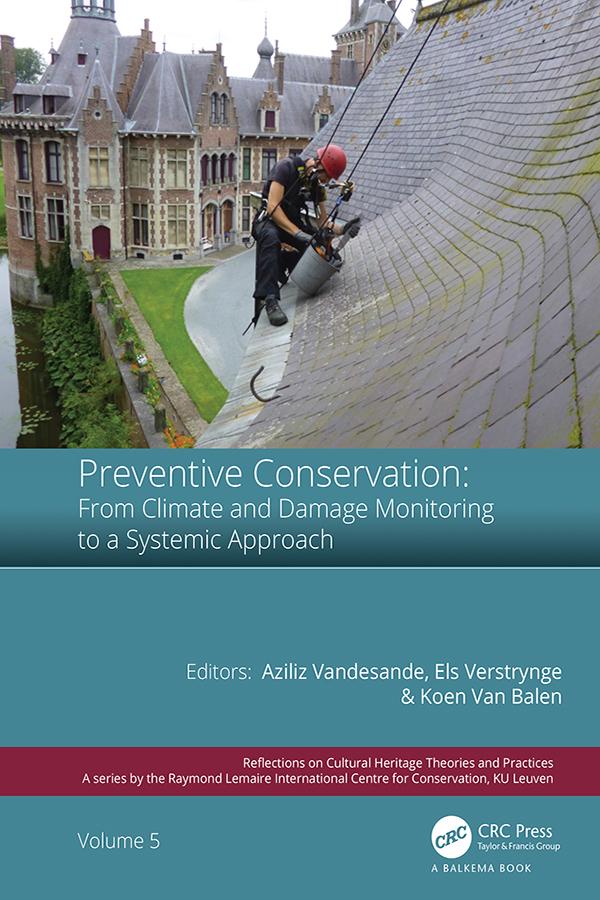
The concept of preventive conservation has successfully introduced the knowledge that "prevention is better than cure" into the built heritage sector. The benefits of this approach are the cost-effectiveness, the improved protection of heritage values, the reduced risk for accumulating deterioration and additional damage, the prolongation of the physical service life of buildings and building parts and the empowerment of local communities in dealing with heritage. Increasingly, arguments rise against reactive treatment patterns, which result too often in postponed interventions and increasing costs for restoration.
WTA-Nederland-Vlaanderen, the Raymond Lemaire International Centre for Conservation and the Civil Engineering Department of KU Leuven jointly organised an international conference on preventive conservation approaches - including climate and damage monitoring - and how to implement these monitoring tools within a systemic approach. The conference took place in context of the international WTA days, 3-5 April 2019, and the 10th anniversary of the UNESCO Chair on Preventive Conservation, Monitoring and Maintenance of Monuments and Sites (PRECOM³OS).
The contributions meet the increasing demand for information, case studies and practical examples to support the transition towards more preventive rather than reactive conservation actions. The volume aims at academics and professionals involved or interested in the conservation of buildings, building parts and heritage.
Pay easily by card, Klarna, Apple Pay or Google Pay. Not happy? You always have a 14-day money-back guarantee. Read more in our terms. If you have any questions, email us at hello@memmo.org.
Memmo makes studying easier – wherever you are in the world. We bring your course books and smart study tools together in one place: summaries, quizzes, podcasts and flashcards. Plus Ted, your study buddy who answers anything you wonder. Over 75,000 students already study here – built to help you learn faster and stress less.