
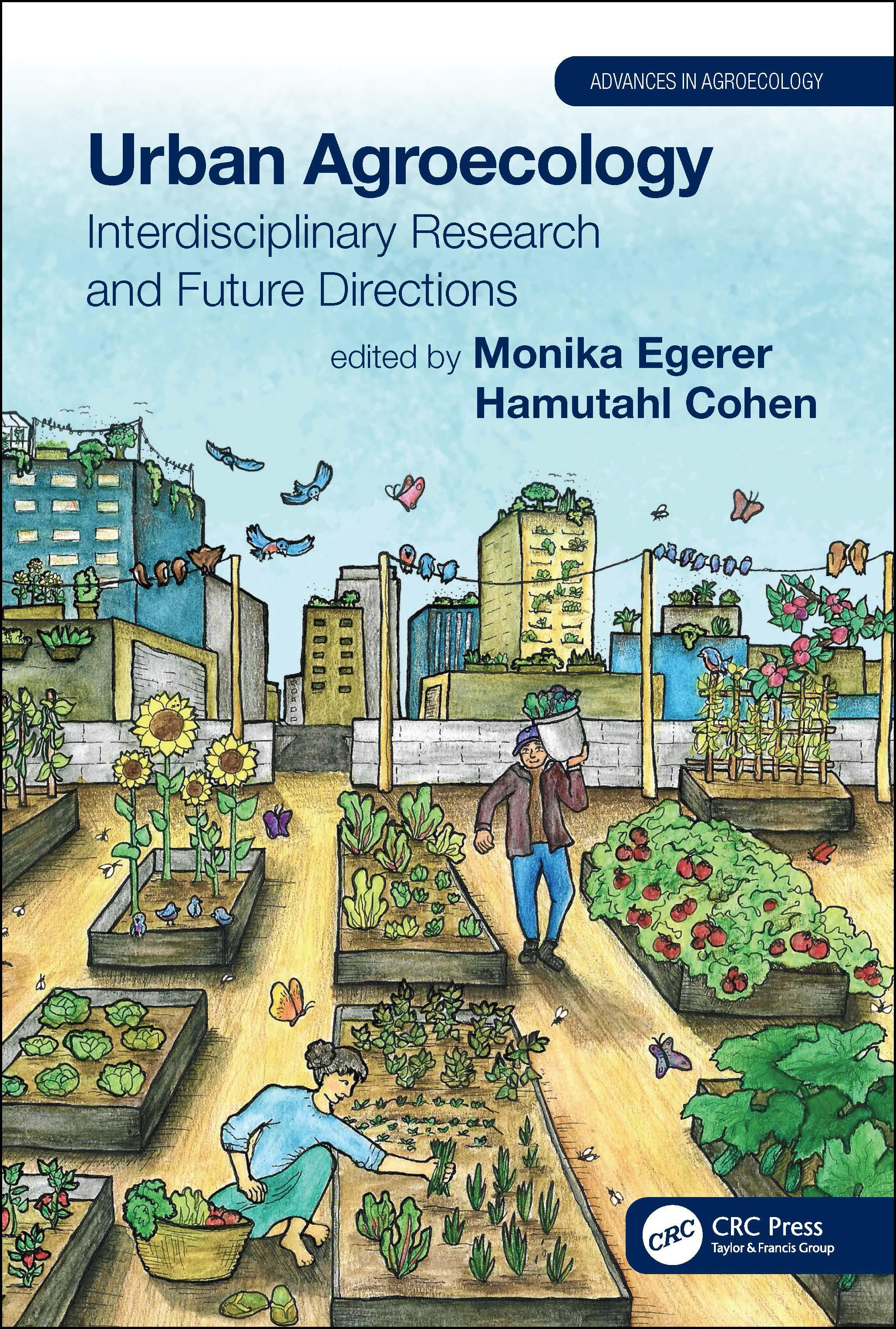
Today, 20 percent of the global food supply relies on urban agriculture: social-ecological systems shaped by both human and non-human interactions. This book shows how urban agroecologists measure flora and fauna that underpin the ecological dynamics of these systems, and how people manage and benefit from these systems. It explains how the sociopolitical landscape in which these systems are embedded can in turn shape the social, ecological, political, and economic dynamics within them. Synthesizing interdisciplinary approaches in urban agroecology in the natural and social sciences, the book explores methodologies and new directions in research that can be adopted by scholars and practitioners alike.
With contributions from researchers utilizing both social and natural science approaches, Urban Agroecology describes the current social-environmental understandings of the science, the movement and the practices in urban agroecology. By investigating the role of agroecology in cities, the book calls for the creation of spaces for food to be sustainably grown in urban spaces: an Urban Agriculture (UA) movement. Essential reading for graduate students, practitioners, policy makers and researchers, this book charts the course for accelerating this movement.
Pay easily by card, Klarna, Apple Pay or Google Pay. Not happy? You always have a 14-day money-back guarantee. Read more in our terms. If you have any questions, email us at hello@memmo.org.
Memmo makes studying easier – wherever you are in the world. We bring your course books and smart study tools together in one place: summaries, quizzes, podcasts and flashcards. Plus Ted, your study buddy who answers anything you wonder. Over 50,000 students already study here – built to help you learn faster and stress less.