
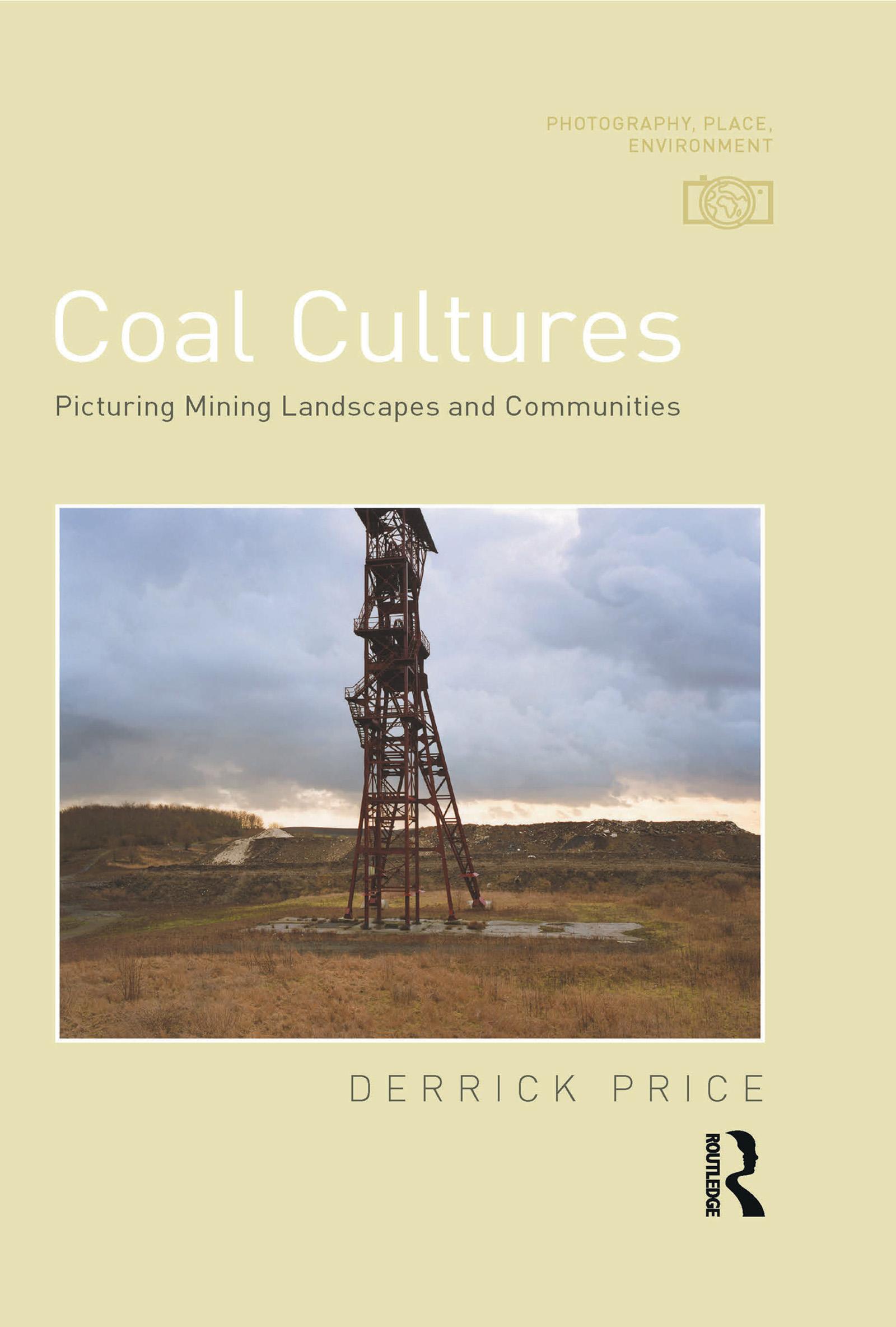
Coal is the commodity that powered the technologies that made the modern world. It also brought about unique communities marked by a high degree of social solidarity and self-help. Mining was central to working class life, drawing rural populations into industrial labour, but it often took place in picturesque landscapes, so that its black spoil heaps became a central symbol of the degradation of pastoral life by the demands of an extractive industry.
Throughout Europe and the USA photographers have pictured the characteristic landscapes of the industry, and continue to do so as strip mining devastates huge areas of land. Not only landscape photography but also documentary, portraiture, photojournalism and art photography have been used in order to portray mines and miners. This book presents three interlinked strands of investigation. The first is the way in which the production of coal created paradigmatic communities grounded in particular landscapes. The second concerns the role of photography in exploring, delineating and critiquing mining communities. This in turn involves an examination of the aesthetic and social characteristics of a number of genres of photography. Lastly, it considers the growth and decline of these sites, the geographic shift of the industry to other places, and the re-presentation of traditional localities through the lens of the heritage industry and industrial tourism.
Pay easily by card, Klarna, Apple Pay or Google Pay. Not happy? You always have a 14-day money-back guarantee. Read more in our terms. If you have any questions, email us at hello@memmo.org.
Memmo makes studying easier – wherever you are in the world. We bring your course books and smart study tools together in one place: summaries, quizzes, podcasts and flashcards. Plus Ted, your study buddy who answers anything you wonder. Over 50,000 students already study here – built to help you learn faster and stress less.