
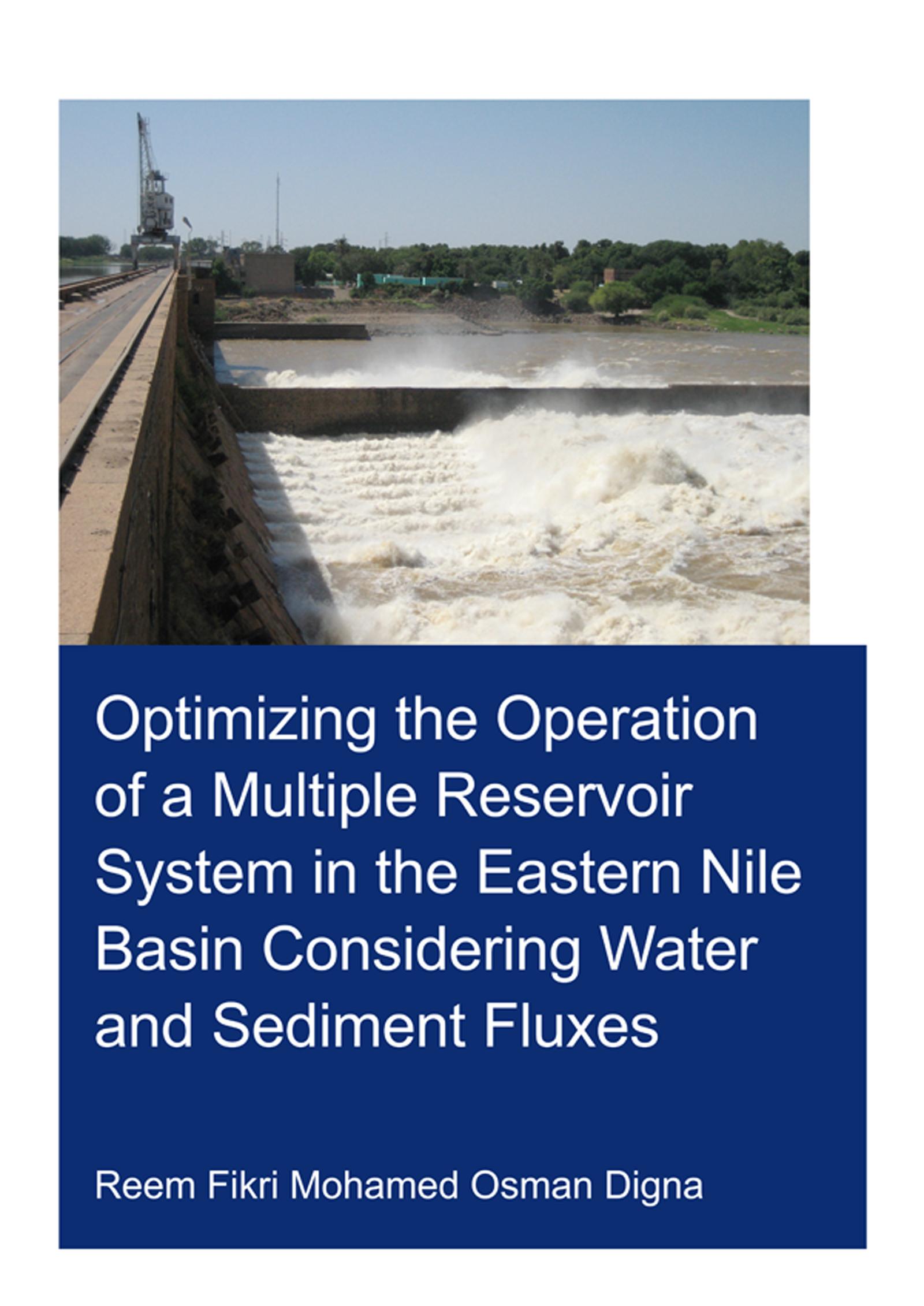
The Eastern Nile riparian countries Egypt, Ethiopia and Sudan are currently developing several reservoir projects to contribute to the needs for energy and food production in the region. The Nile Basin, particularly the Eastern Nile Sub-basin, is considered one of a few international river systems with potential conflicts between riparian countries. In the absence of formal mechanisms for collaboration, the transboundary nature of this basin makes sound water resources development challenging. The large seasonal and inter-annual variability of the river flow exacerbates those challenges. A further complication is the high sediment load in the Eastern Nile rivers during the high flow season.
This study contributes to fill relevant knowledge gaps through a better understanding of the methods needed for a complex system of multipurpose reservoirs, considering both water quantity and sediment load. The study quantifies the impacts of water resources development in the Eastern Nile basin and identifies system management options at both regional and country level. Developing a collaborative and unified perspective of the countries towards new projects can be beneficial for all. New operation rules are proposed for improving operation of the current system when new infrastructures are developed and operated either unilaterally or, ideally, cooperatively.
Pay easily by card, Klarna, Apple Pay or Google Pay. Not happy? You always have a 14-day money-back guarantee. Read more in our terms. If you have any questions, email us at hello@memmo.org.
Memmo makes studying easier – wherever you are in the world. We bring your course books and smart study tools together in one place: summaries, quizzes, podcasts and flashcards. Plus Ted, your study buddy who answers anything you wonder. Over 50,000 students already study here – built to help you learn faster and stress less.