
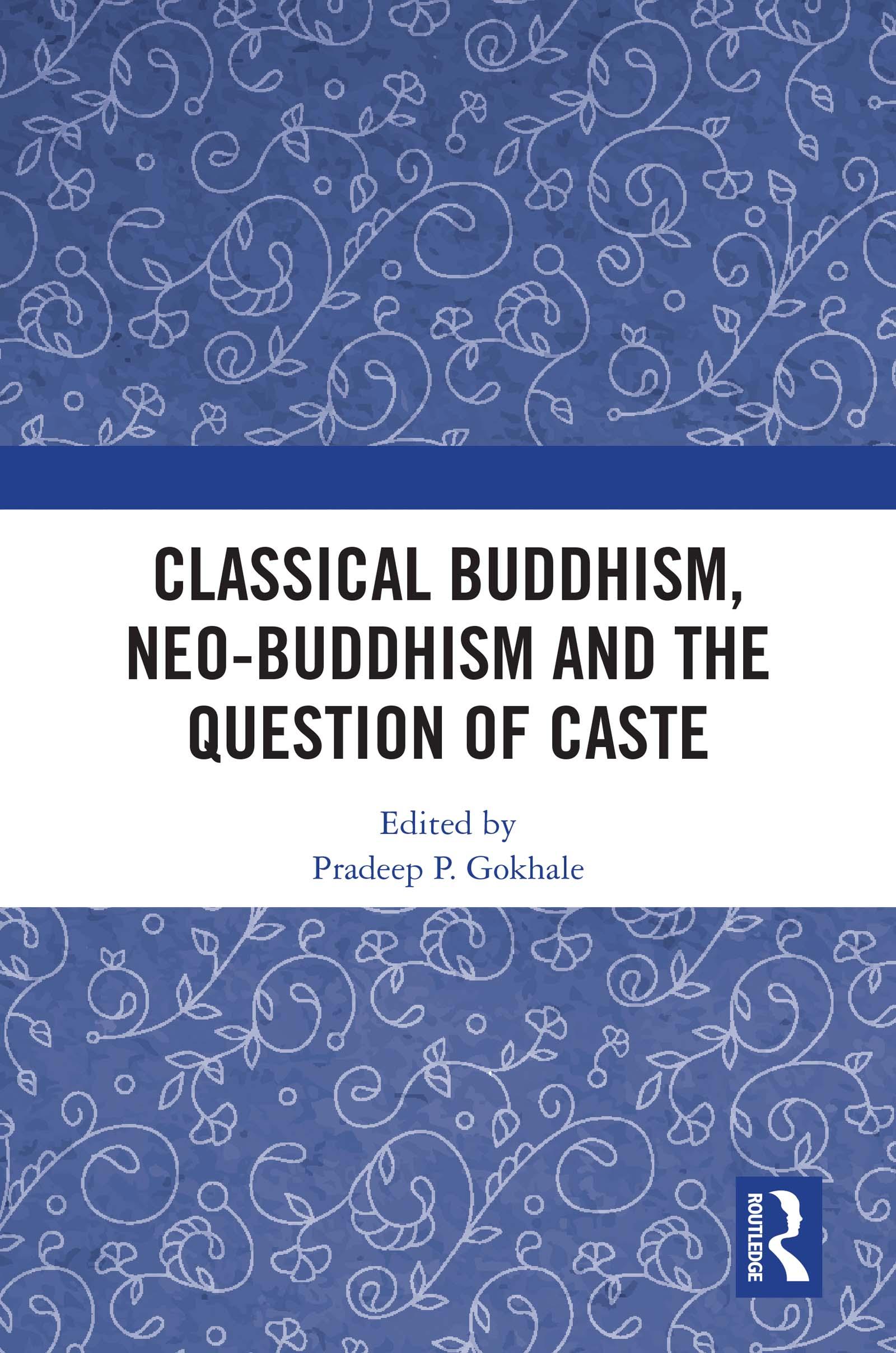
This book examines the interface between Buddhism and the caste system in India. It discusses how Buddhism in different stages, from its early period to contemporary forms—Theravāda, Mahāyāna, Tantrayāna and Navayāna—dealt with the question of caste. It also traces the intersections between the problem of caste with those of class and gender. The volume reflects on the interaction between Hinduism and Buddhism: it looks at critiques of caste in the classical Buddhist tradition while simultaneously drawing attention to the radical challenge posed by Dr B. R. Ambedkar’s Navayāna Buddhism or neo-Buddhism. The essays in the book further compare approaches to varṇa and caste developed by modern thinkers such as M. K. Gandhi and S. Radhakrishnan with Ambedkar’s criticisms and his departures from mainstream appraisals.
With its interdisciplinary methodology, combining insights from literature, philosophy, political science and sociology, the volume explores contemporary critiques of caste from the perspective of Buddhism and its historical context. By analyzing religion through the lens of caste and gender, it also forays into the complex relationship between religion and politics, while offering a rigorous study of the textual tradition of Buddhism in India. This book will be useful to scholars and researchers of Indian philosophy, Buddhist studies, Indology, literature (especially Sanskrit and Pāli), exclusion and discrimination studies, history, political studies, women studies, sociology, and South Asian studies.
Pay easily by card, Klarna, Apple Pay or Google Pay. Not happy? You always have a 14-day money-back guarantee. Read more in our terms. If you have any questions, email us at hello@memmo.org.
Memmo makes studying easier – wherever you are in the world. We bring your course books and smart study tools together in one place: summaries, quizzes, podcasts and flashcards. Plus Ted, your study buddy who answers anything you wonder. Over 50,000 students already study here – built to help you learn faster and stress less.