
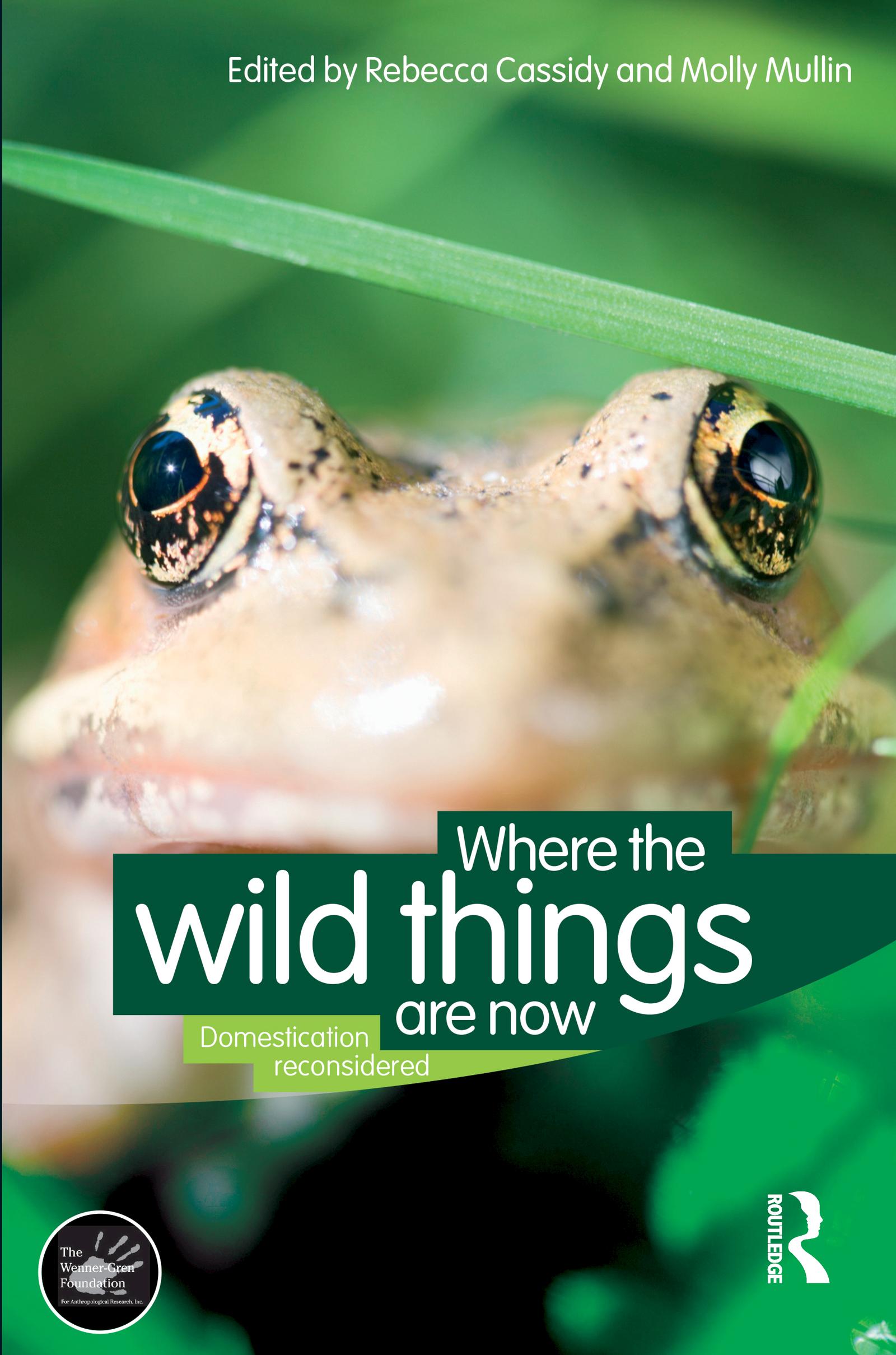
Domestication has often seemed a matter of the distant past, a series of distinct events involving humans and other species that took place long ago. Today, as genetic manipulation continues to break new barriers in scientific and medical research, we appear to be entering an age of biological control. Are we also writing a new chapter in the history of domestication? Where the Wild Things Are Now explores the relevance of domestication for anthropologists and scholars in related fields who are concerned with understanding ongoing change in processes affecting humans as well as other species. From the pet food industry and its critics to salmon farming in Tasmania, the protection of endangered species in Vietnam and the pigeon fanciers who influenced Darwin, Where the Wild Things Are Now provides an urgently needed re-examination of the concept of domestication against the shifting background of relationships between humans, animals and plants.
Pay easily by card, Klarna, Apple Pay or Google Pay. Not happy? You always have a 14-day money-back guarantee. Read more in our terms. If you have any questions, email us at hello@memmo.org.
Memmo makes studying easier – wherever you are in the world. We bring your course books and smart study tools together in one place: summaries, quizzes, podcasts and flashcards. Plus Ted, your study buddy who answers anything you wonder. Over 50,000 students already study here – built to help you learn faster and stress less.
You might also like
Buy the book0