
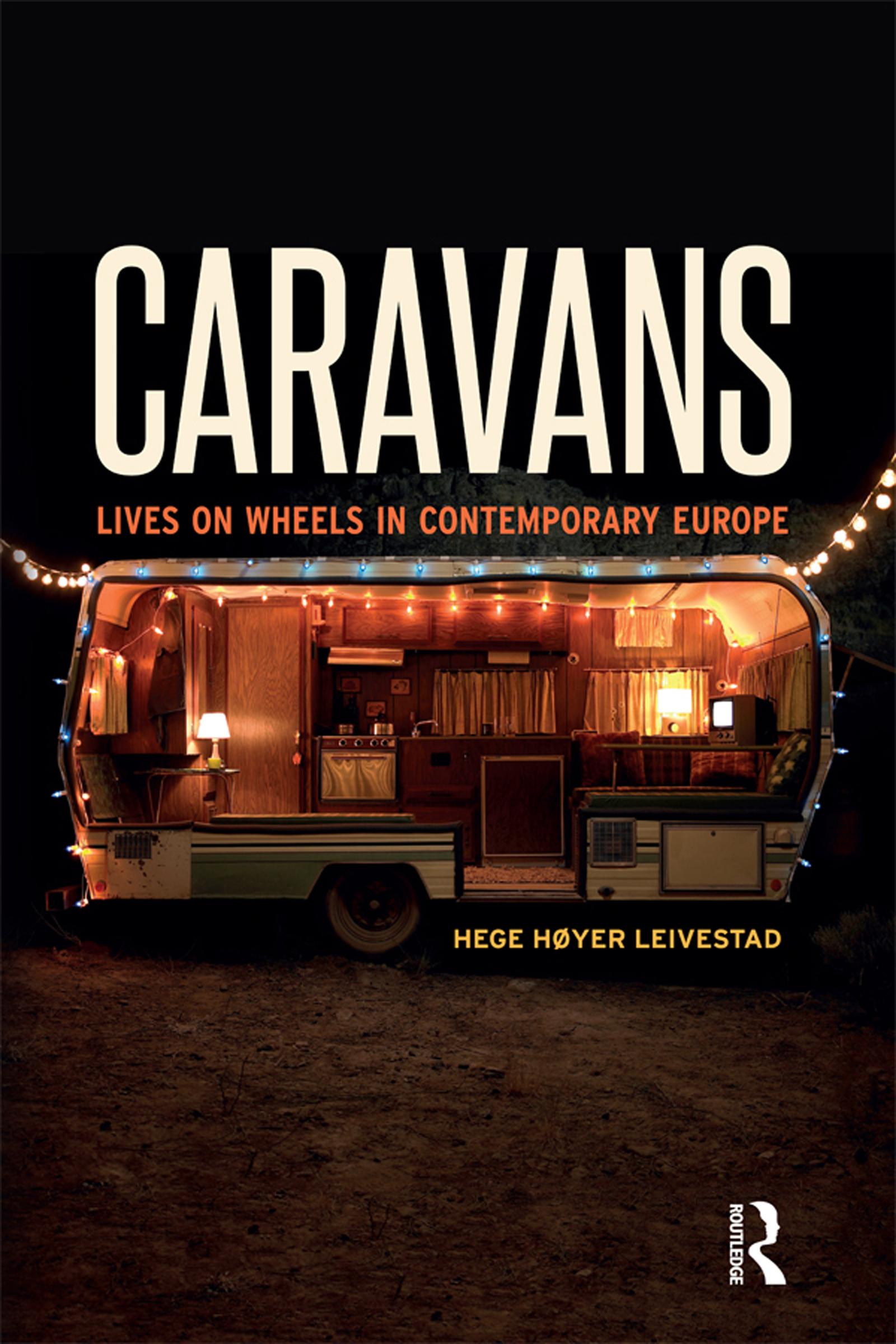
In Caravans, Hege Høyer Leivestad opens the caravan door to understand how daily life is organised among Britons and Swedes who have relocated, either seasonally or permanently, to mobile homes. Leivestad investigates how the caravan and campsite come to fit and challenge conventional domestic ideals, and how the static mobile caravan can nurture ideas of freedom even when it is standing still. With sensitivity and an awareness of the humour and pathos of the lives of her subjects, Leivestad closely examines the shaping of the European camping phenomenon and its day-to-day pleasures and pains, ranging from friendships ties to conflictive bingo nights, from nosy and noisy neighbours to fake fireplaces and rotten awning floors. As the first ethnographic study of caravan life in Europe, Caravans offers a refreshing take on contemporary mobility debates, showing how movement can best be understood by taking a detailed look at certain specific mundanities in material culture. This rich and topical ethnography is a must-read for students of anthropology, human geography and architecture, and for those with an interest in the possibilities and perils of a life on wheels.
Pay easily by card, Klarna, Apple Pay or Google Pay. Not happy? You always have a 14-day money-back guarantee. Read more in our terms. If you have any questions, email us at hello@memmo.org.
Memmo makes studying easier – wherever you are in the world. We bring your course books and smart study tools together in one place: summaries, quizzes, podcasts and flashcards. Plus Ted, your study buddy who answers anything you wonder. Over 50,000 students already study here – built to help you learn faster and stress less.
You might also like
Buy the book0