
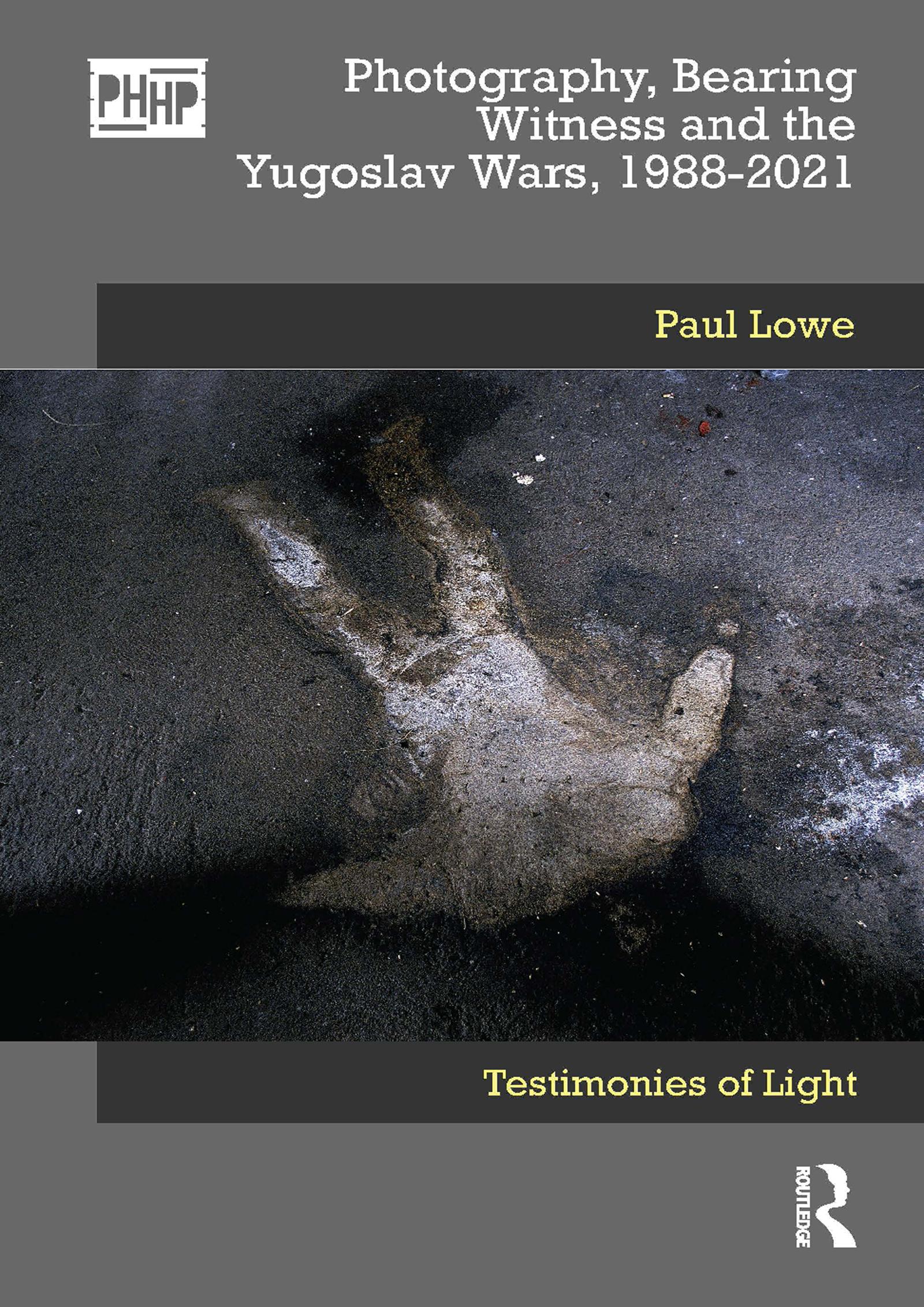
Combining case studies with theoretical and philosophical insights, this book explores the role of photography in representing conflict and genocide, both during and after the break-up of Yugoslavia.
Concentrating on the photographer, this book considers the practice of photojournalism rather than simply in terms of its consumption and use by the media. The experiences and working methods of photographers in the field are analysed, showing how practitioners conceptualised their work and responded to larger questions about neutrality and moral responsibility. Presenting this ‘active’ form of witness, author Paul Lowe investigates a crucial ethical paradox faced by photojournalists. Moving beyond the end of the Yugoslav Wars in 2001, this book also considers the therapeutic and validating potential of photography for survivors, featuring photographers whose work centres on memory and reconciliation. Based on archival research, close reading and discourse analyses of photographs, and interviews with a range of international photographers, this book explores how photography from this period has been used and remediated in editorial photojournalism, fine art documentary and advocacy photography.
This book will be of interest to scholars in the history of photography, art and visual culture, and photojournalism.
Pay easily by card, Klarna, Apple Pay or Google Pay. Not happy? You always have a 14-day money-back guarantee. Read more in our terms. If you have any questions, email us at hello@memmo.org.
Memmo makes studying easier – wherever you are in the world. We bring your course books and smart study tools together in one place: summaries, quizzes, podcasts and flashcards. Plus Ted, your study buddy who answers anything you wonder. Over 50,000 students already study here – built to help you learn faster and stress less.