
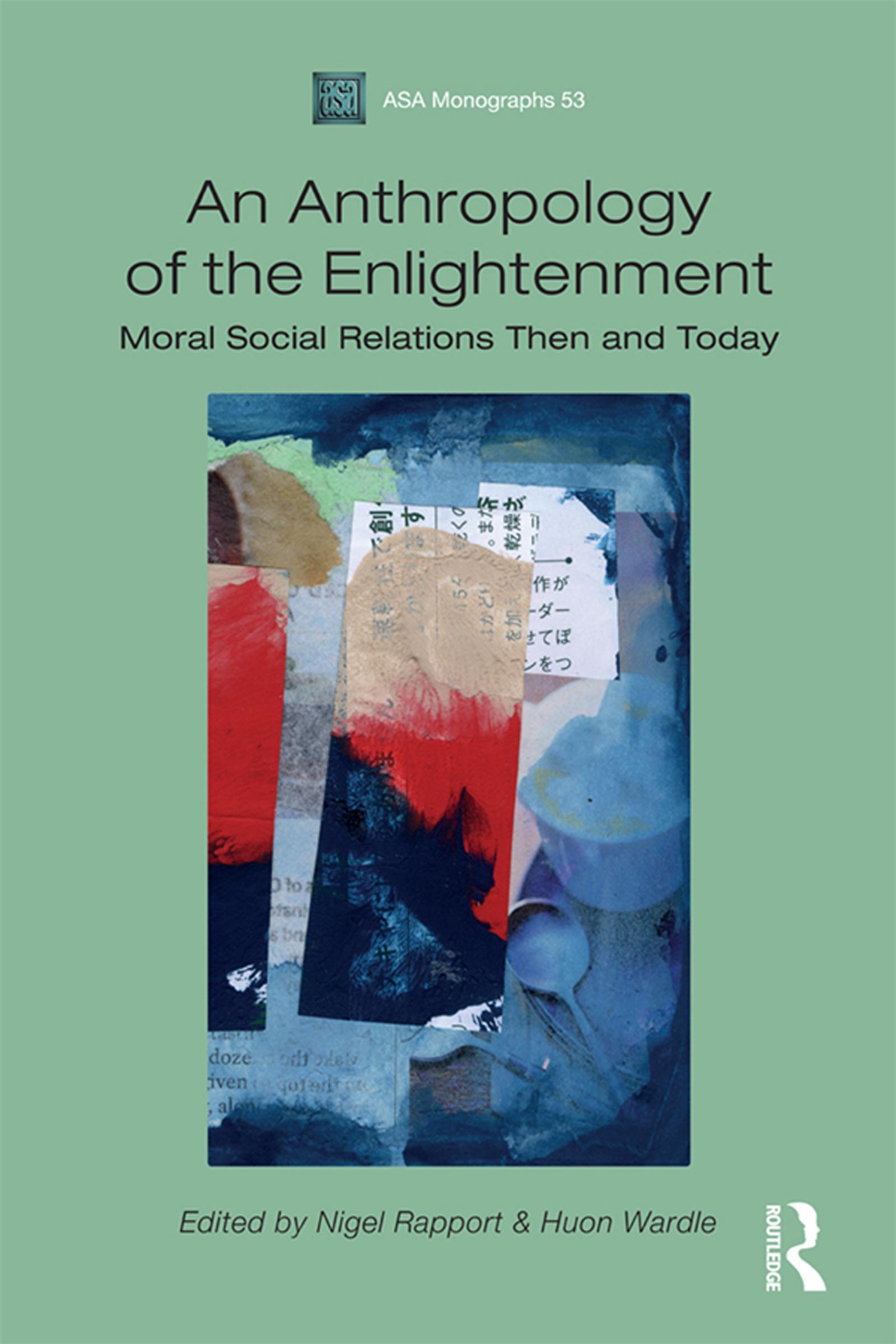
In a time of intellectual uncertainty, the question of how we know what we do about human lives becomes ever more pressing. The essays collated in this volume argue that anthropology can be used to acknowledge, explore and interpret divergence and ideological conflict over human meaning. Using questions raised as part of the Enlightenment movement, this volume is structured around some of the key themes the Enlightenment fostered, including human nature, time, Earth and the Cosmos, beauty, order, harmony and design, moral sentiments, and the query of whether wealthy nations make for healthy publics. The volume focuses in particular on how 'moral sentiment' offered a guiding idea in Enlightenment thought. The idea of 'moral sentiment' is central to the essays' grappling with the ethical anxieties of contemporary anthropology. The essays therefore trace historical connections and fissures and focus on Adam Smith's attempts toward an understanding of what would later be called 'modernity'. With an afterword from Marilyn Strathern, this volume will be a strong addition to the Association of Social Anthropologists conference proceedings.
Pay easily by card, Klarna, Apple Pay or Google Pay. Not happy? You always have a 14-day money-back guarantee. Read more in our terms. If you have any questions, email us at hello@memmo.org.
Memmo makes studying easier – wherever you are in the world. We bring your course books and smart study tools together in one place: summaries, quizzes, podcasts and flashcards. Plus Ted, your study buddy who answers anything you wonder. Over 50,000 students already study here – built to help you learn faster and stress less.
You might also like
Buy the book0