
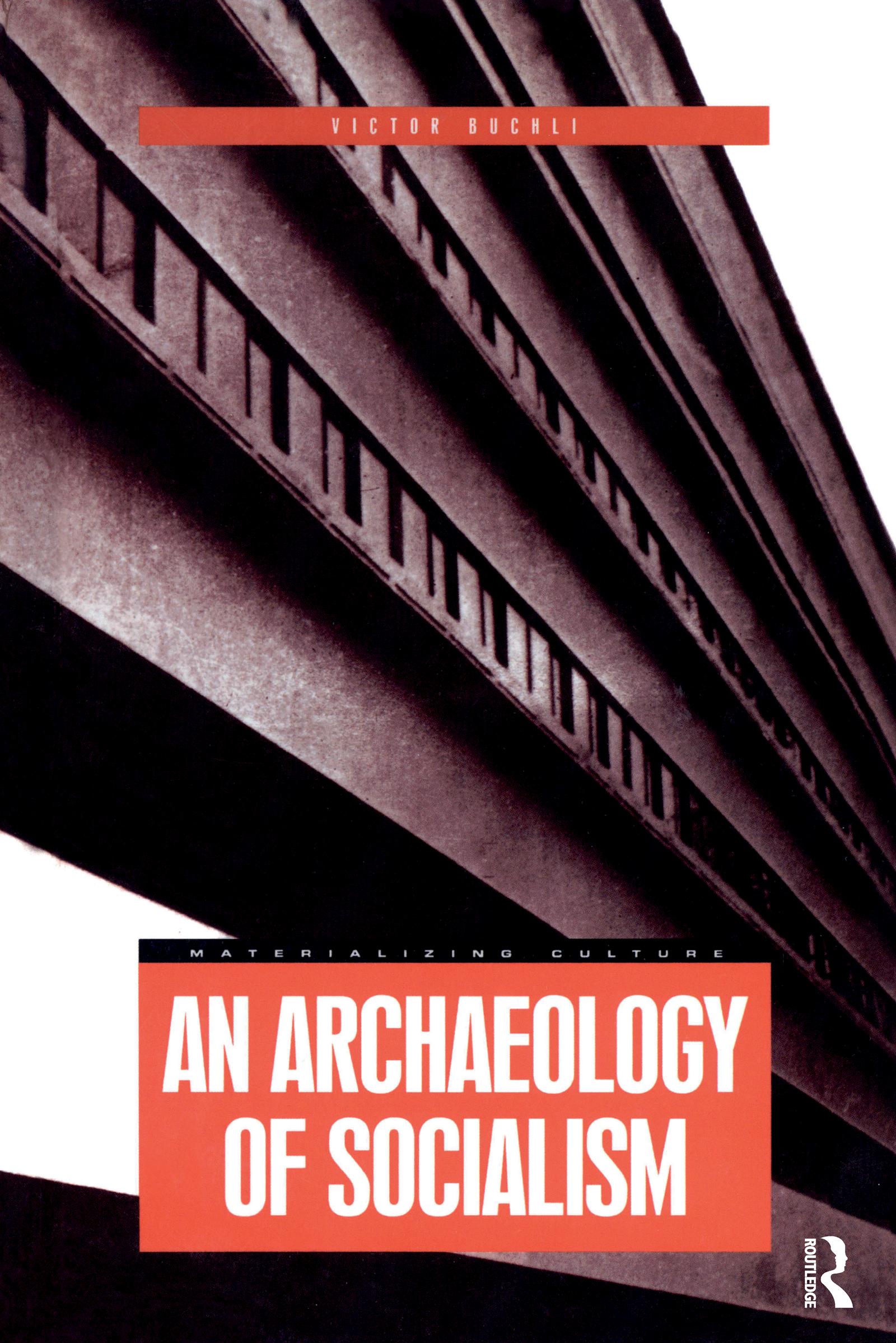
This highly original case study, which adopts a material culture perspective, is unprecedented in social and cultural histories of the Soviet period and provides a unique window on social relations. The author demonstrates how Moisei Ginzburg's Constructivist masterpiece, the Narkomfin Communal House, employed classic Marxist understandings of material culture in an effort to overturn capitalist and patriarchal social structures. Through the edifying effects of architectural forms, Ginzburg attempted to induce socialist and feminist-inspired social and gender relations. The author shows how, for the inhabitants, these principles manifested themselves, from taste to hygiene to gender roles, and how individuals variously appropriated architectural space and material culture to cope with the conditions of daily life, from the utopianism of the First Five Year Plan and Stalin's purges to the collapse of the Soviet Union. This book makes a major contribution to: the history of socialism in the Soviet Union and, more generally, Eastern Europe; material culture studies; architectural history; archaeology and social anthropology.
Pay easily by card, Klarna, Apple Pay or Google Pay. Not happy? You always have a 14-day money-back guarantee. Read more in our terms. If you have any questions, email us at hello@memmo.org.
Memmo makes studying easier – wherever you are in the world. We bring your course books and smart study tools together in one place: summaries, quizzes, podcasts and flashcards. Plus Ted, your study buddy who answers anything you wonder. Over 75,000 students already study here – built to help you learn faster and stress less.
You might also like
Buy the book0