
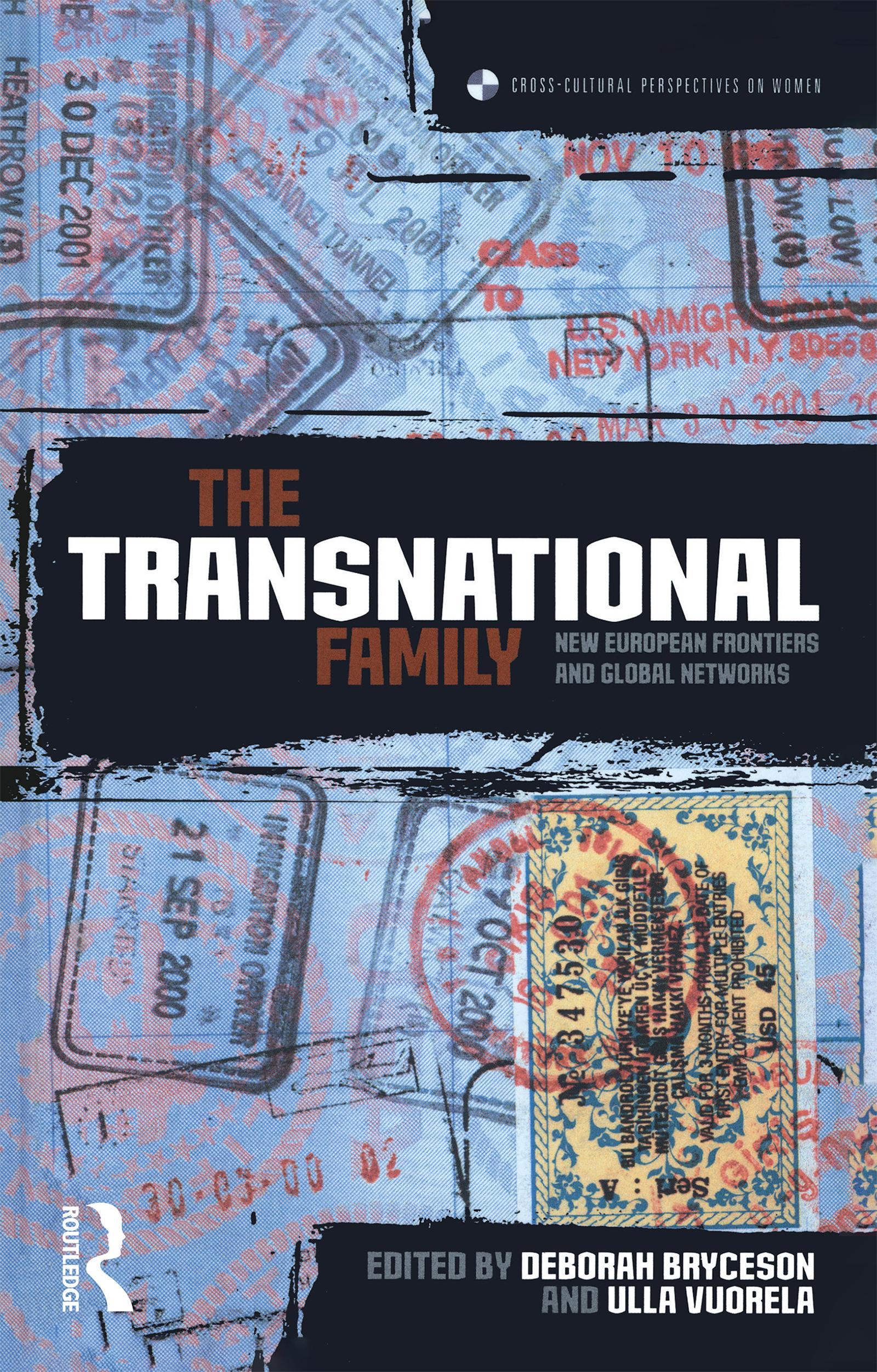
Migrant networks, in the form of families, associational ties and social organizations, stretch across the globe, connecting cultures and bridging national boundaries. The effects of this global networking are vast. This book is the first to stand back and explore the impact. Families living outside of their original national boundaries have had, and continue to have, a profound influence over the flow of people, goods, money and information. More in-depth perspectives reveal how immigrants face troubling issues of cultural identity, economic change, political uncertainty and social welfare. From an examination of nineteenth-century transnational families emigrating from Europe, to the Ghanaian Pentecostal diaspora in Europe today, this book combines broadly based analysis with more unusual case studies to reveal the complexities that immigrants and refugees must contend with in their daily lives. What are the experiences of migrant Turkish women living in Germany? In what ways has religion been hybridized amongst West African Muslim migrants in Paris? What are the gender relations and transnational ties amongst Bosnian refugees? Never has such a topic been more relevant. Problems relating to immigrants' and refugees' situations in their adopted countries continue to grow. This book, wide-ranging in its geographical and thematic scope, is a highly important and timely addition to debates on transnational families, immigrants and refugees.
Pay easily by card, Klarna, Apple Pay or Google Pay. Not happy? You always have a 14-day money-back guarantee. Read more in our terms. If you have any questions, email us at hello@memmo.org.
Memmo makes studying easier – wherever you are in the world. We bring your course books and smart study tools together in one place: summaries, quizzes, podcasts and flashcards. Plus Ted, your study buddy who answers anything you wonder. Over 50,000 students already study here – built to help you learn faster and stress less.
You might also like
Buy the book0