
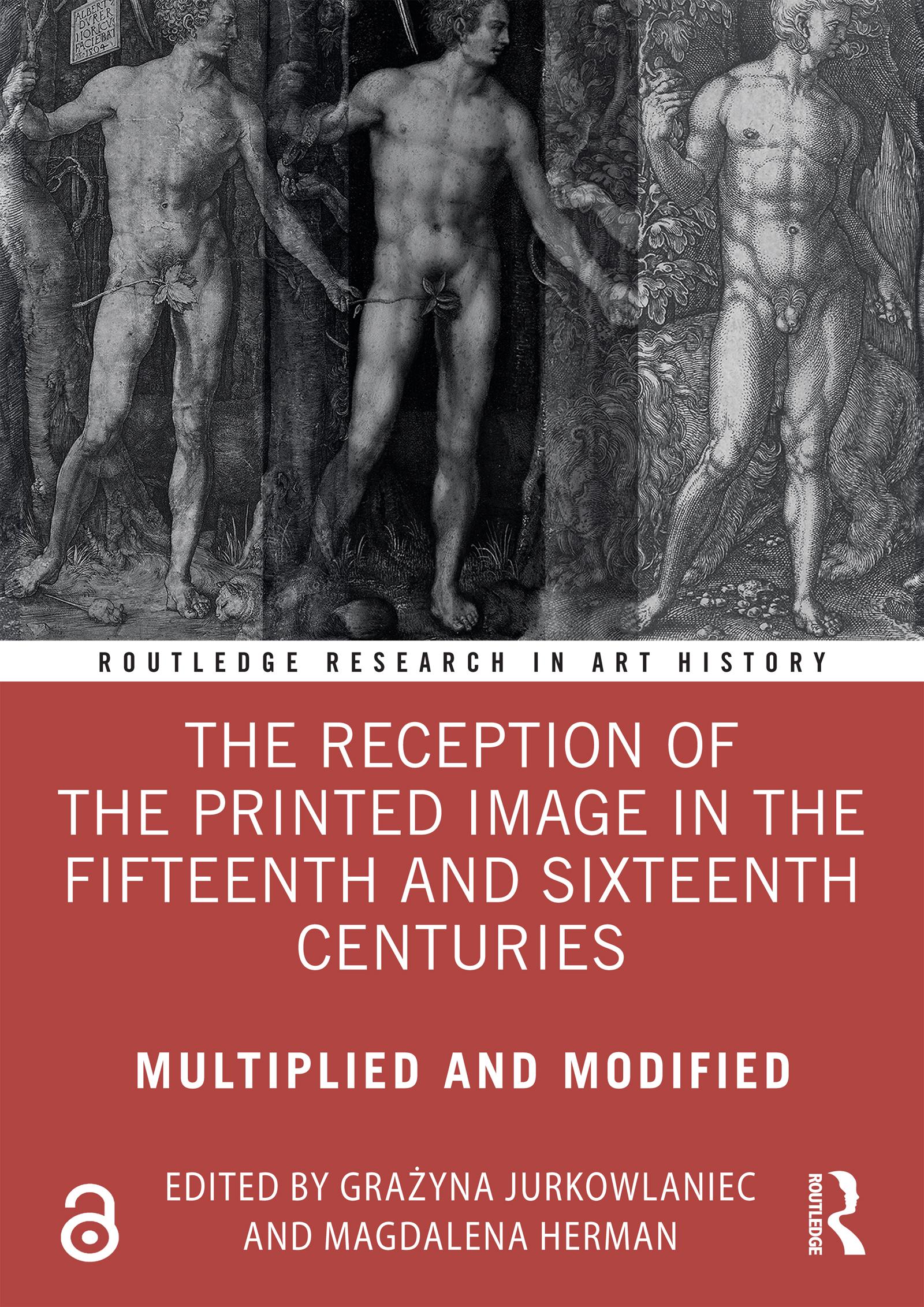
This book examines the early development of the graphic arts from the perspectives of material things, human actors and immaterial representations while broadening the geographic field of inquiry to Central Europe and the British Isles and considering the reception of the prints on other continents.
The role of human actors proves particularly prominent, i.e. the circumstances that informed creators’, producers’, owners’ and beholders’ motivations and responses. Certainly, such a complex relationship between things, people and images is not an exclusive feature of the pre-modern period’s print cultures. However, the rise of printmaking challenged some established rules in the arts and visual realms and thus provides a fruitful point of departure for further study of the development of the various functions and responses to printed images in the sixteenth century.
The book will be of interest to scholars working in art history, print history, book history and European studies.
The introduction of this book is freely available as a downloadable Open Access PDF under a Creative Commons Attribution-Non Commercial-No Derivatives 4.0 license at https://www.taylorfrancis.com/chapters/oa-edit/10.4324/9781003029199-1/introduction-gra%C5%BCyna-jurkowlaniec-magdalena-herman?context=ubx&refId=b6a86646-c9f3-490d-8a06-2946acd75fda
Pay easily by card, Klarna, Apple Pay or Google Pay. Not happy? You always have a 14-day money-back guarantee. Read more in our terms. If you have any questions, email us at hello@memmo.org.
Memmo makes studying easier – wherever you are in the world. We bring your course books and smart study tools together in one place: summaries, quizzes, podcasts and flashcards. Plus Ted, your study buddy who answers anything you wonder. Over 50,000 students already study here – built to help you learn faster and stress less.