
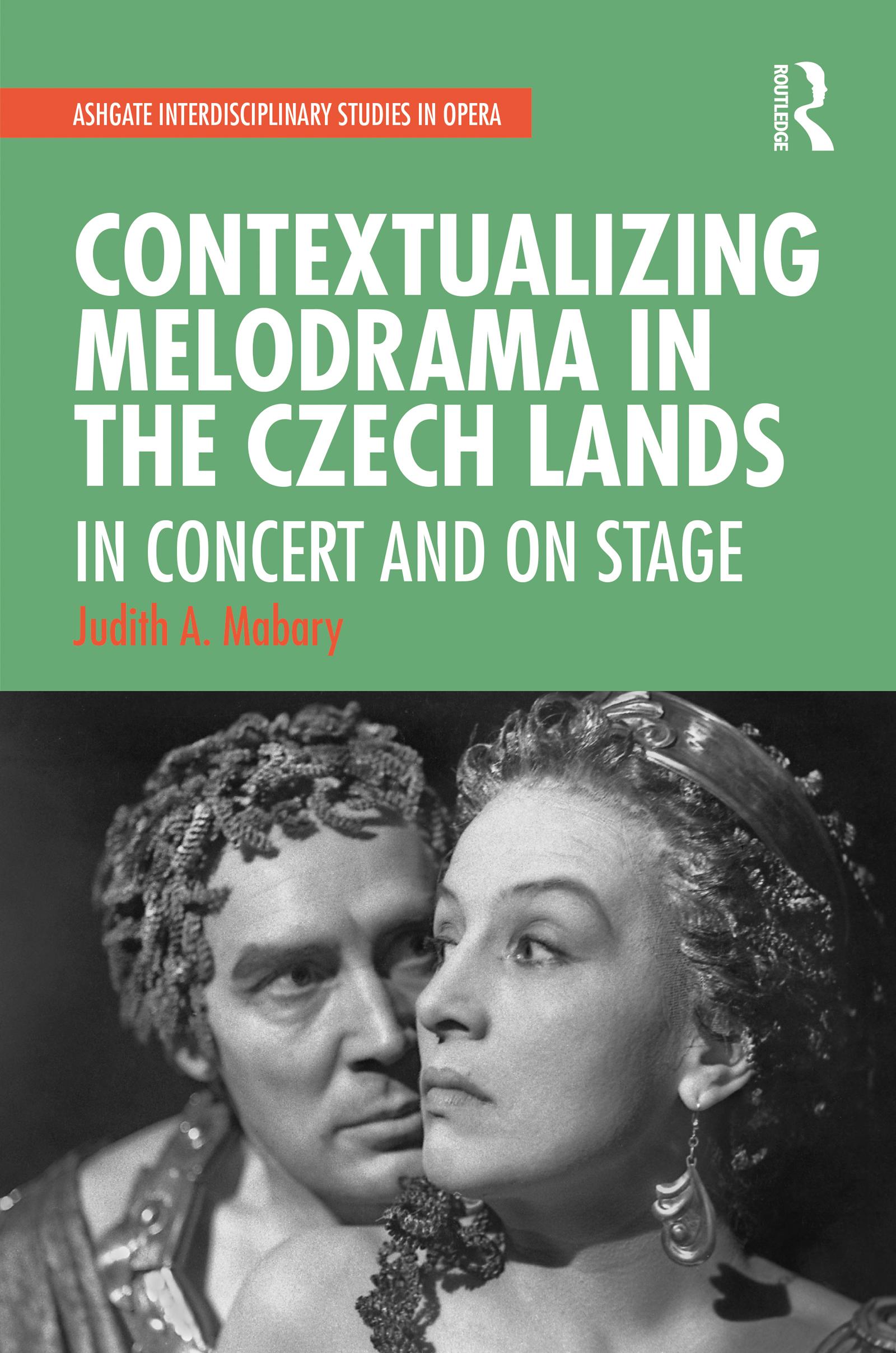
The mention of the term "melodrama" is likely to evoke a response from laymen and musicians alike that betrays an acquaintance only with the popular form of the genre and its greatly heightened drama, exaggerated often to the point of the ridiculous. Few are aware that there exists a type of melodrama that contains in its smaller forms the beauty of the sung ballad and, in the larger-scale works, the appeal of the spoken play. This category of melodrama is one that surfaced in many cultures but was perhaps never so enthusiastically cultivated as in the Czech lands. The melodrama varied greatly at the hands of its Czech advocates. While the works of Zdeněk Fibich and his contemporary Josef Bohuslav Foerster, a composer best known for his songs, remained closely bound to the text, those of conductor/composer Otakar Ostrčil reveal a stance that privileged the music and, given their creator’s orchestral experience, are more reminiscent of the symphonic poem. Fibich in his staged works and Josef Suk (composer/violinist and Dvořák’s son-in-law), in his incidental music reflect variously late nineteenth-century Romanticism, the influence of Wagner, and early manifestations of Impressionism. In its more recent guise, the principles of the staged melodrama reside quite comfortably in the film score. Judith A. Mabary’s important volume will be of interest not only to musicologists, but those working in Central and East European studies, voice studies, European theatre, and those studying music and nationalism.
Pay easily by card, Klarna, Apple Pay or Google Pay. Not happy? You always have a 14-day money-back guarantee. Read more in our terms. If you have any questions, email us at hello@memmo.org.
Memmo makes studying easier – wherever you are in the world. We bring your course books and smart study tools together in one place: summaries, quizzes, podcasts and flashcards. Plus Ted, your study buddy who answers anything you wonder. Over 50,000 students already study here – built to help you learn faster and stress less.