
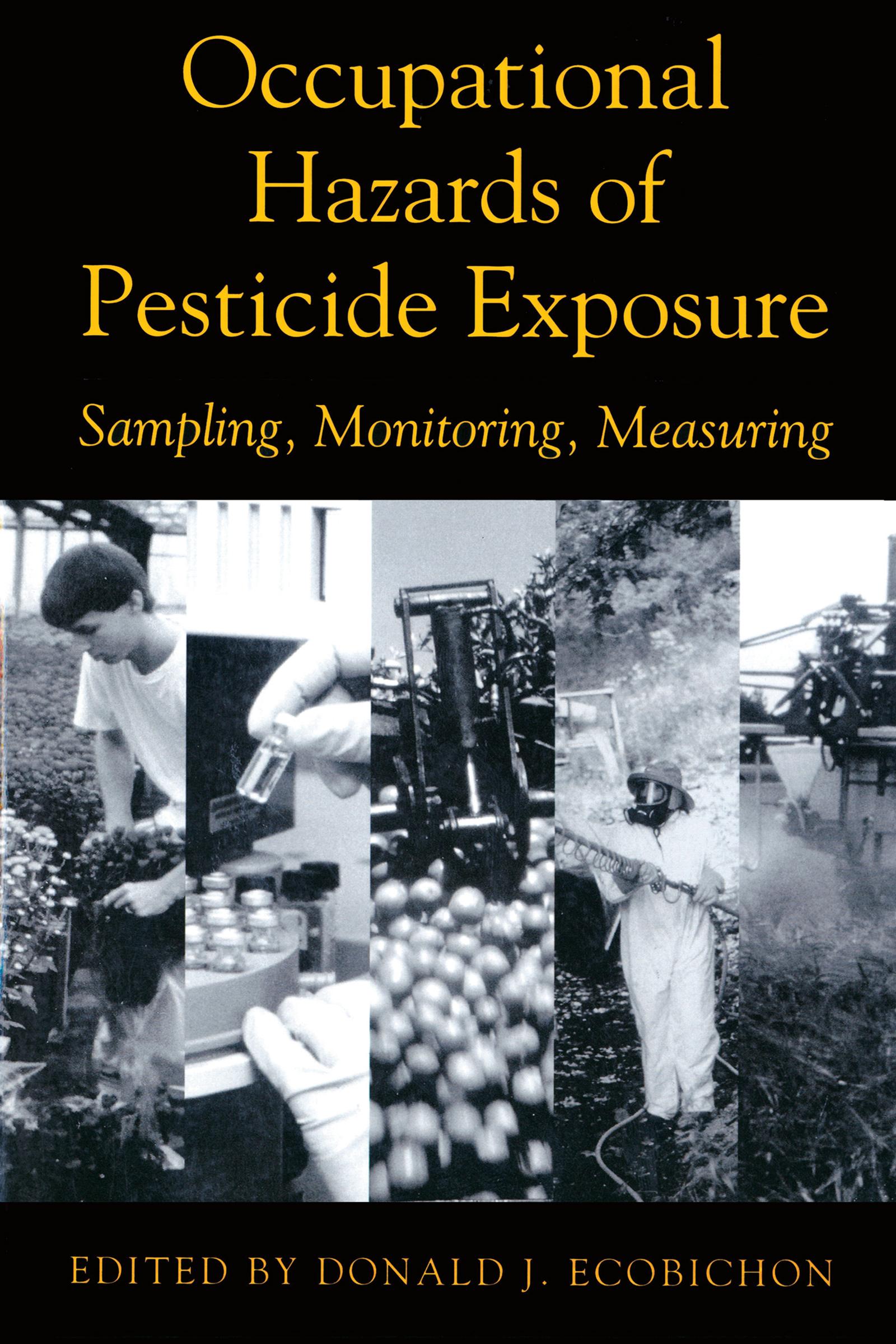
With three million intoxications a year, global concern about occupational exposure to pesticides makes it crucial that occupational health professionals be able monitor pesticide exposure. With a useful analysis of the advantages and disadvantages of classic and modern techniques, Occupational Hazards of Pesticide Exposure permits professionals to undertake these tasks with techniques best suited to a given situation. Includes descriptions and examples of how to: o Quantify aerial drift of pesticide sprays o Determine on-target/off-target loss of pesticide o Measure disposition of pesticides on surfaces o Detect translocation of residues for air and surfaces to skin o Measure absorption through the skin o Quantify residues or metabolites in biological fluids o Determine the extent of neurological impairment
Pay easily by card, Klarna, Apple Pay or Google Pay. Not happy? You always have a 14-day money-back guarantee. Read more in our terms. If you have any questions, email us at hello@memmo.org.
Memmo makes studying easier – wherever you are in the world. We bring your course books and smart study tools together in one place: summaries, quizzes, podcasts and flashcards. Plus Ted, your study buddy who answers anything you wonder. Over 50,000 students already study here – built to help you learn faster and stress less.
You might also like
Buy the book0