
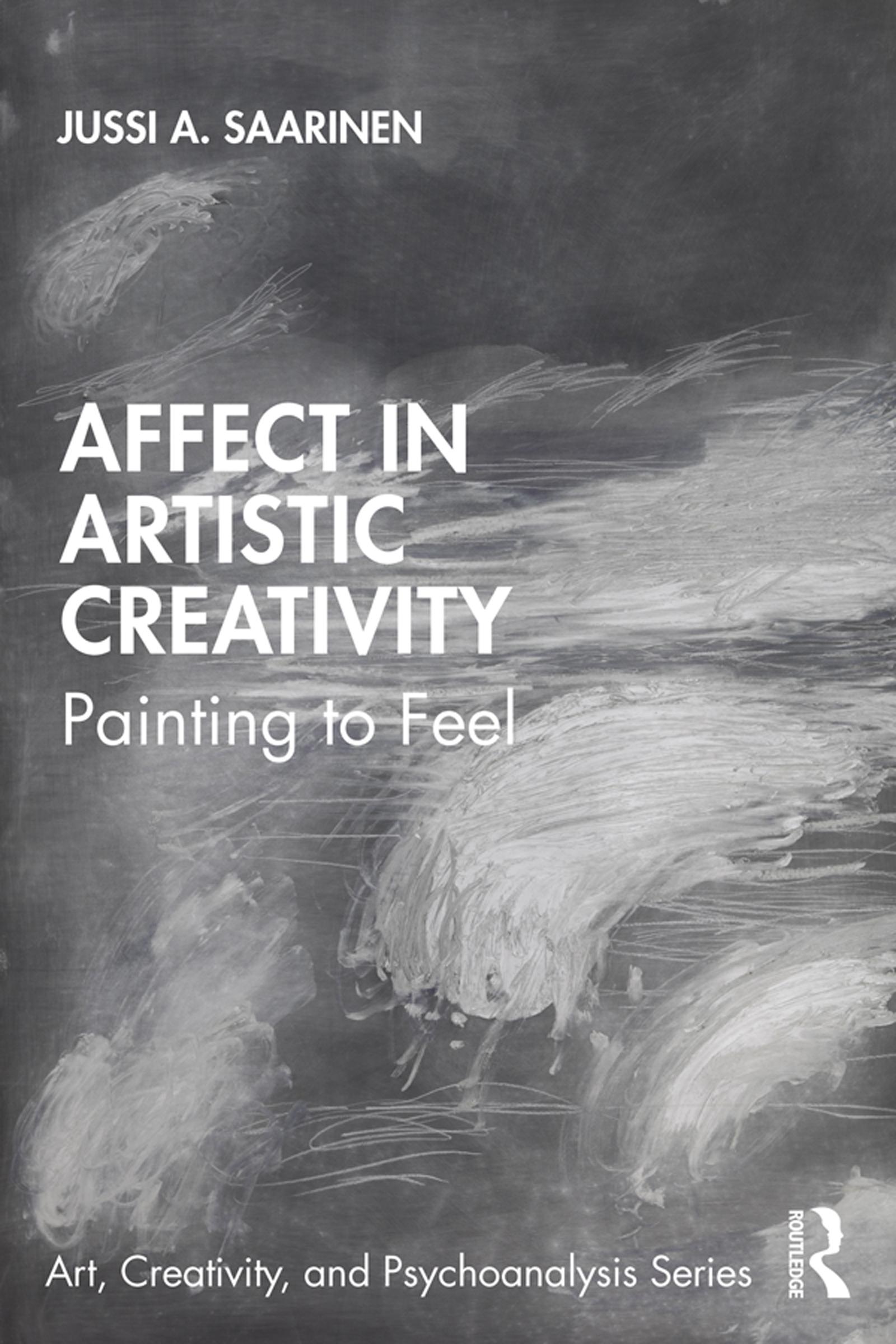
Why do painters paint? Obviously, there are numerous possible reasons. They paint to create images for others’ enjoyment, to solve visual problems, to convey ideas, and to contribute to a rich artistic tradition. This book argues that there is yet another, crucially important but often overlooked reason.
Painters paint to feel.
They paint because it enables them to experience special feelings, such as being absorbed in creative play and connected to something vitally significant. Painting may even transform the painter’s whole sense of being. Thus, painting is not only about producing art, communicating content, and so on, but also about setting up and inhabiting an experiential space wherein highly valued feelings are interactively enabled and supported. This book investigates how and why this happens by combining psychoanalytical theorization on creativity with philosophical thinking on affectivity. It focuses on creative experience itself, and illuminates the psychological mechanisms and dynamics that underlie the affects at stake. Painters’ own descriptions of how they feel at work are used throughout to give an accurate, true-to-life portrayal of the experience of painting.
The strength of the book lies in its open-minded yet critical integration of contemporary psychoanalytic and philosophical thinking, and in its truthfulness to painters’ experiential descriptions of the painterly process. On the whole, it enriches our understanding of artistic creativity and sheds more light on how and why we come to feel the things we do. As such, the book will appeal to philosophers, psychoanalysts, and art researchers alike.
Pay easily by card, Klarna, Apple Pay or Google Pay. Not happy? You always have a 14-day money-back guarantee. Read more in our terms. If you have any questions, email us at hello@memmo.org.
Memmo makes studying easier – wherever you are in the world. We bring your course books and smart study tools together in one place: summaries, quizzes, podcasts and flashcards. Plus Ted, your study buddy who answers anything you wonder. Over 50,000 students already study here – built to help you learn faster and stress less.