
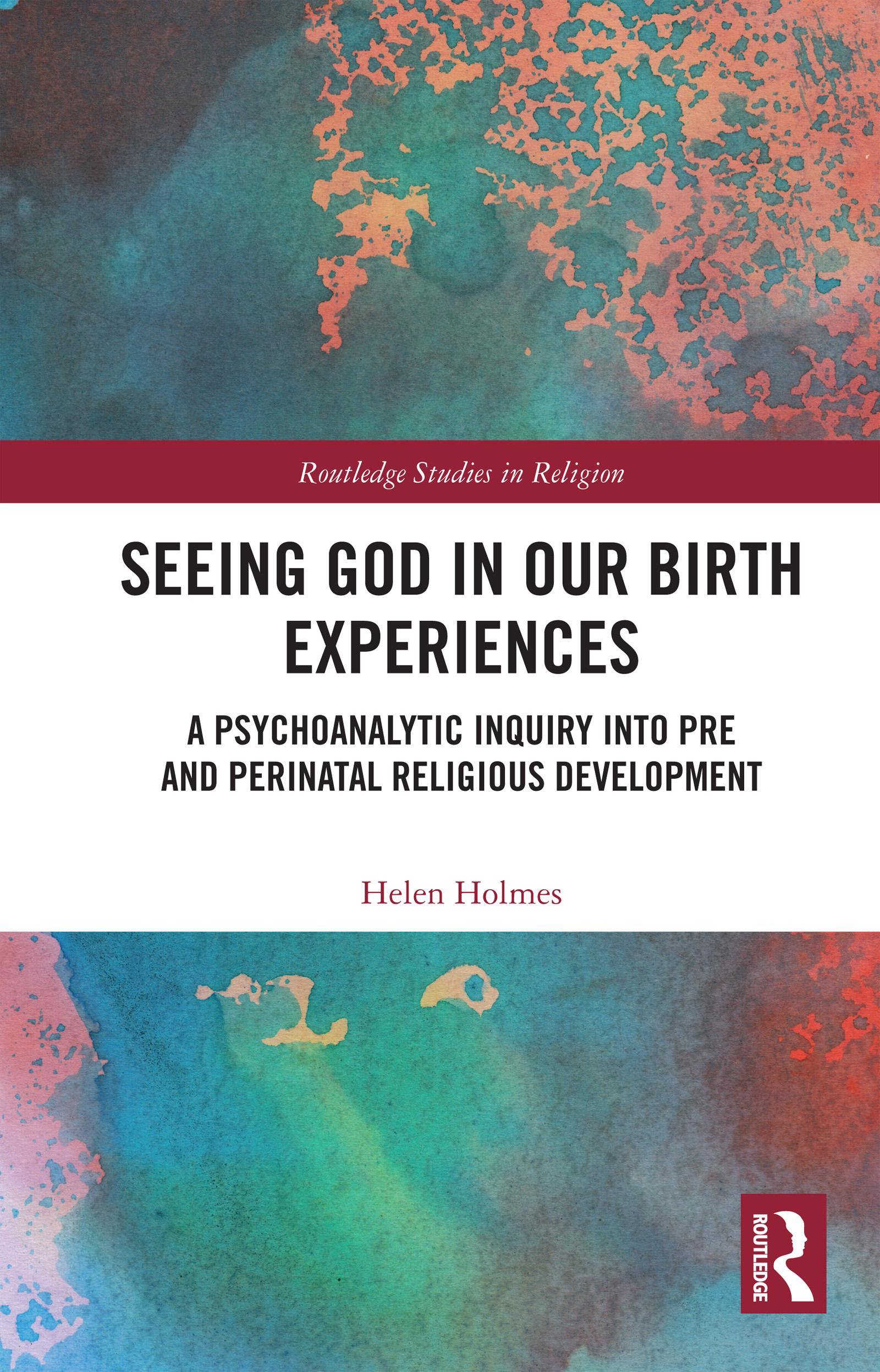
There has been a recent surge in the examination of the evolutionary roots of religious belief, all trying to identify where the human desire to seek the supernatural and the divine comes from. This book adds a new and innovative perspective to this line of thought by being the first to link prenatal and perinatal experiences to the origins of these unconscious underpinnings of our shared images of God.
The book poses a ground-breaking paradigm by thinking about our earliest images of God, whether theist or atheist, within a psychoanalytic framework, comparing and contrasting the thought of Freud and Rizzuto. It looks at the issue of images of God from a diversity of psychological perspectives including, attachment theory, developmental theory and bio-psychosocial perspectives. This analysis leads to the conclusion that in parallel to postnatal findings, uterine and birth experiences can predispose individuals to form God representations later in life, through underpinning affective and environmental factors.
This is a bold study of the development of one of humanity’s most fundamental aspects. As such, it will be of great interest to scholars of the psychology of religion, psychology, psychoanalysis, religious studies and early infant development.
Pay easily by card, Klarna, Apple Pay or Google Pay. Not happy? You always have a 14-day money-back guarantee. Read more in our terms. If you have any questions, email us at hello@memmo.org.
Memmo makes studying easier – wherever you are in the world. We bring your course books and smart study tools together in one place: summaries, quizzes, podcasts and flashcards. Plus Ted, your study buddy who answers anything you wonder. Over 50,000 students already study here – built to help you learn faster and stress less.