
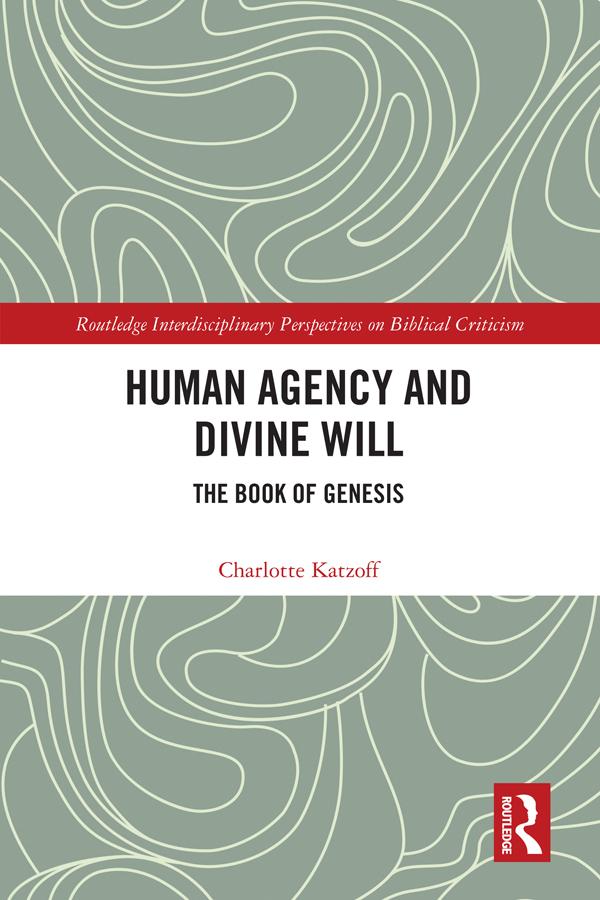
This book explores the conjuncture of human agency and divine volition in the biblical narrative – sometimes referred to as "double causality." A commonly held view has it that the biblical narrative shows human action to be determined by divine will. Yet, when reading the biblical narrative we are inclined to hold the actors accountable for their deeds.
The book, then, challenges the common assumptions about the sweeping nature of divine causality in the biblical narrative and seeks to do justice to the roles played by the human actors in the drama. God's causing a person to act in a particular way, as He does when He hardens Pharaoh's heart, is the exception rather than the rule. On the whole, the biblical heroes act on their own; their personal initiatives and strivings are what move the story forward. How does it happen, then, that events, remarkably, conspire to realize God’s plan?
The study enlists concepts and theories developed within the framework of contemporary analytic philosophy, featured against the background of classical and contemporary bible commentary. In addressing the biblical narrative through these perspectives, this book holds appeal for scholars of a variety of disciplines – bible studies, philosophy, religion and philosophical theology — as well as for those who simply delight in reading the Bible.
Pay easily by card, Klarna, Apple Pay or Google Pay. Not happy? You always have a 14-day money-back guarantee. Read more in our terms. If you have any questions, email us at hello@memmo.org.
Memmo makes studying easier – wherever you are in the world. We bring your course books and smart study tools together in one place: summaries, quizzes, podcasts and flashcards. Plus Ted, your study buddy who answers anything you wonder. Over 50,000 students already study here – built to help you learn faster and stress less.