
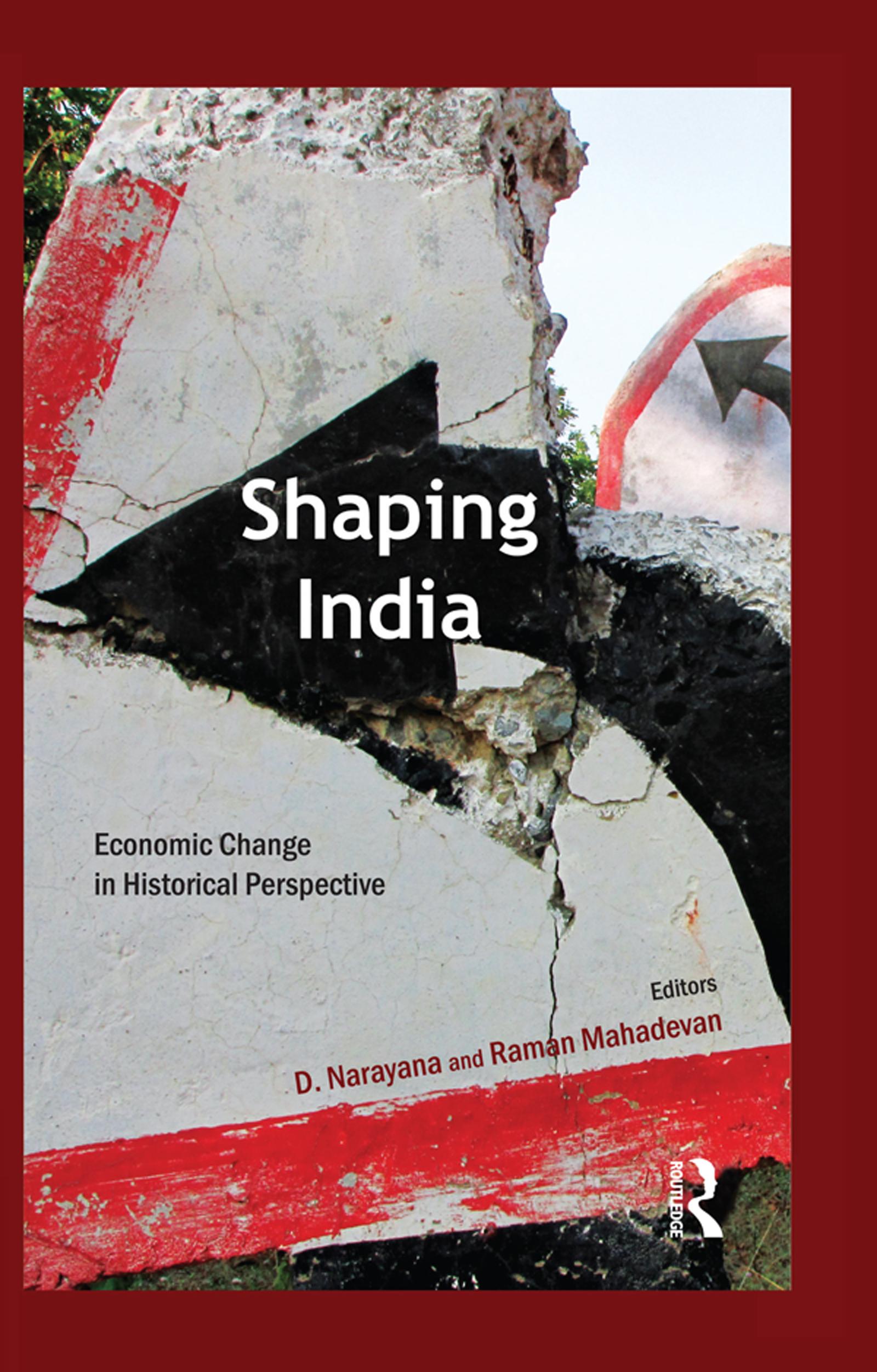
This volume seeks to unravel and contextualize the so-called dichotomy of ‘old’ and ‘new’ India and what binds them together. To understand this complex process, it attempts to apply a long-term historical perspective, a different conception of the economy and cross-disciplinary approaches.
The exceptional feature of this volume is the large historical canvas of essays and its sensitivity to the regional dimension in a country as large and diverse as India. They deal with issues ranging from land and agriculture, entrepreneurship, industry and demographic trends to a critical anatomy of modern Indian economic historiography. Together these essays contribute in providing significantly new and enriching insights into the complex process of transition from colonial to post-colonial economic development. There has been a conscious effort in most cases to capture the influence of the colonial economic structures and processes in shaping the trajectory of growth and development in the post-independence period. Drawing upon a large amount of extremely rich and varied data and information on the socio-economic trends, the book is lucid, well-crafted and reader-friendly.
Pay easily by card, Klarna, Apple Pay or Google Pay. Not happy? You always have a 14-day money-back guarantee. Read more in our terms. If you have any questions, email us at hello@memmo.org.
Memmo makes studying easier – wherever you are in the world. We bring your course books and smart study tools together in one place: summaries, quizzes, podcasts and flashcards. Plus Ted, your study buddy who answers anything you wonder. Over 50,000 students already study here – built to help you learn faster and stress less.