
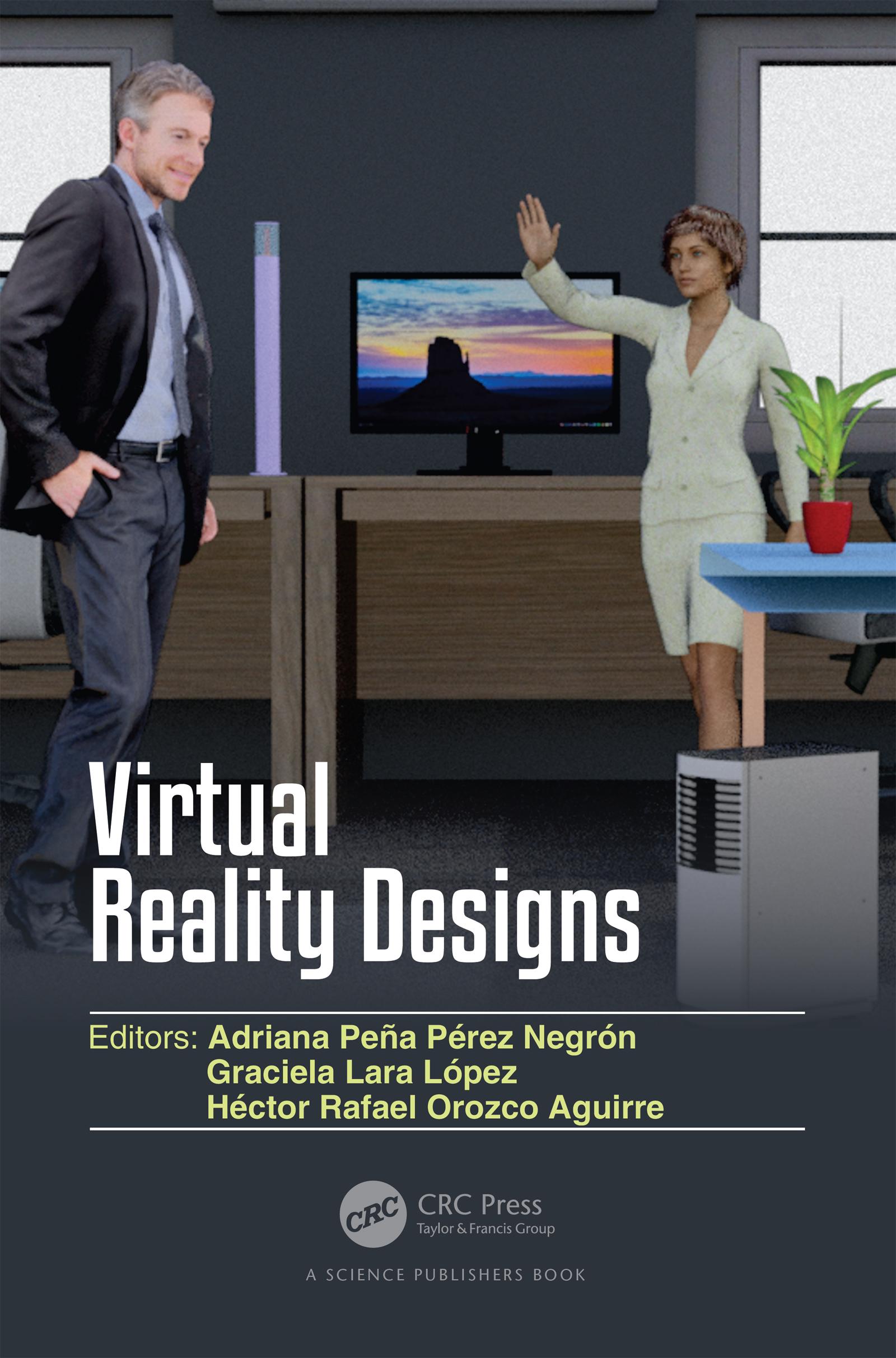
Virtual Reality is not real life. Instead it is life-like creations using computer-generated scenarios. Human behavior is replicated in virtual scenarios, where every detail is controlled by computers, and in situations that can be repeated under the same conditions.
Based on technology and design, the user can experience presence. In the virtual world, users are embodied in avatars that represent them and are the means to interact with the virtual environment. Avatars are graphical models that behave on behalf of the human behind them. The user avatar is a proxy that also backs interaction with others, allowing computer-mediated interactions.
Analyses directed to understand people’s perceptions, personal and social behavior in computer mediated interactions, comprise a multidisciplinary area of study that involves, among others, computer science, psychology and sociology. In the last two decades a number of studies supported by Virtual Reality have been conducted to understand human behavior, in some cases the implications of the technology, or to reproduce artificial human behavior. This book presents a collection of studies from recognized researchers in the area.
Pay easily by card, Klarna, Apple Pay or Google Pay. Not happy? You always have a 14-day money-back guarantee. Read more in our terms. If you have any questions, email us at hello@memmo.org.
Memmo makes studying easier – wherever you are in the world. We bring your course books and smart study tools together in one place: summaries, quizzes, podcasts and flashcards. Plus Ted, your study buddy who answers anything you wonder. Over 75,000 students already study here – built to help you learn faster and stress less.