
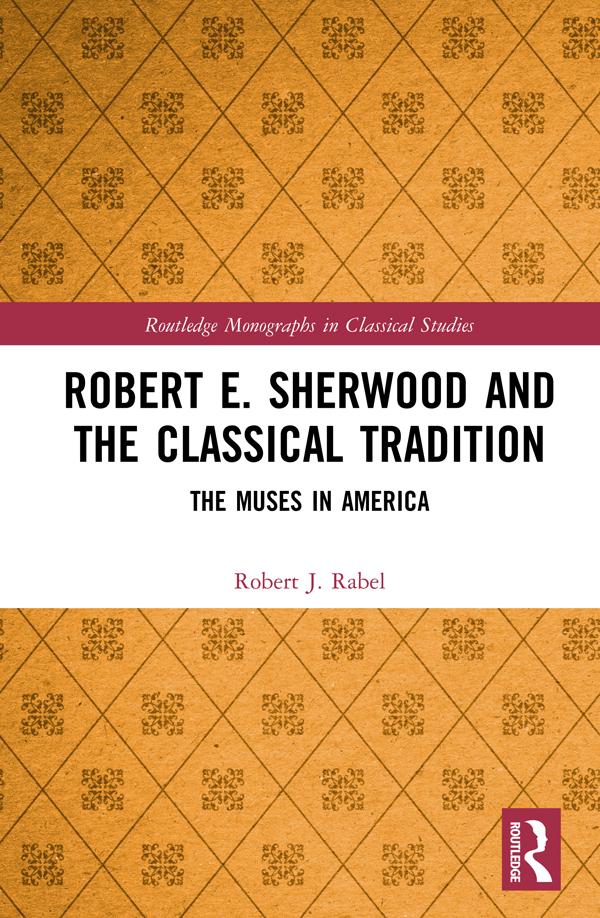
This volume explores the reception of the classical past in the works of twentieth-century American dramatist Robert E. Sherwood and his use of the ancient world to critique key events and trends in American history.
It explores his comedies and the influence of both Greek Old and New Comedy, as well as his mediation of his experiences in World War I through Livy’s account of the war with Carthage. During the 1930s, Sherwood used the Peloponnesian War as a template for bringing to the attention of an unaware public the danger of an impending war between the forces of democracy and the totalitarianism represented by Nazi Germany, and post-war he raised awareness of the dangers of nuclear war through the lens of the Greek gods. As well as looking at his use of the classical past in his work, since Sherwood wrote drama deeply concerned with the major social and political events of his day, his plays open windows onto the major social and political challenges facing the United States and the world from the outbreak of World War I until the beginning of the nuclear age.
This volume will be of interest to anyone working on the Classical Tradition and Classical Reception, as well as to students of twentieth-century American literature, drama, history, and politics.
Pay easily by card, Klarna, Apple Pay or Google Pay. Not happy? You always have a 14-day money-back guarantee. Read more in our terms. If you have any questions, email us at hello@memmo.org.
Memmo makes studying easier – wherever you are in the world. We bring your course books and smart study tools together in one place: summaries, quizzes, podcasts and flashcards. Plus Ted, your study buddy who answers anything you wonder. Over 75,000 students already study here – built to help you learn faster and stress less.