
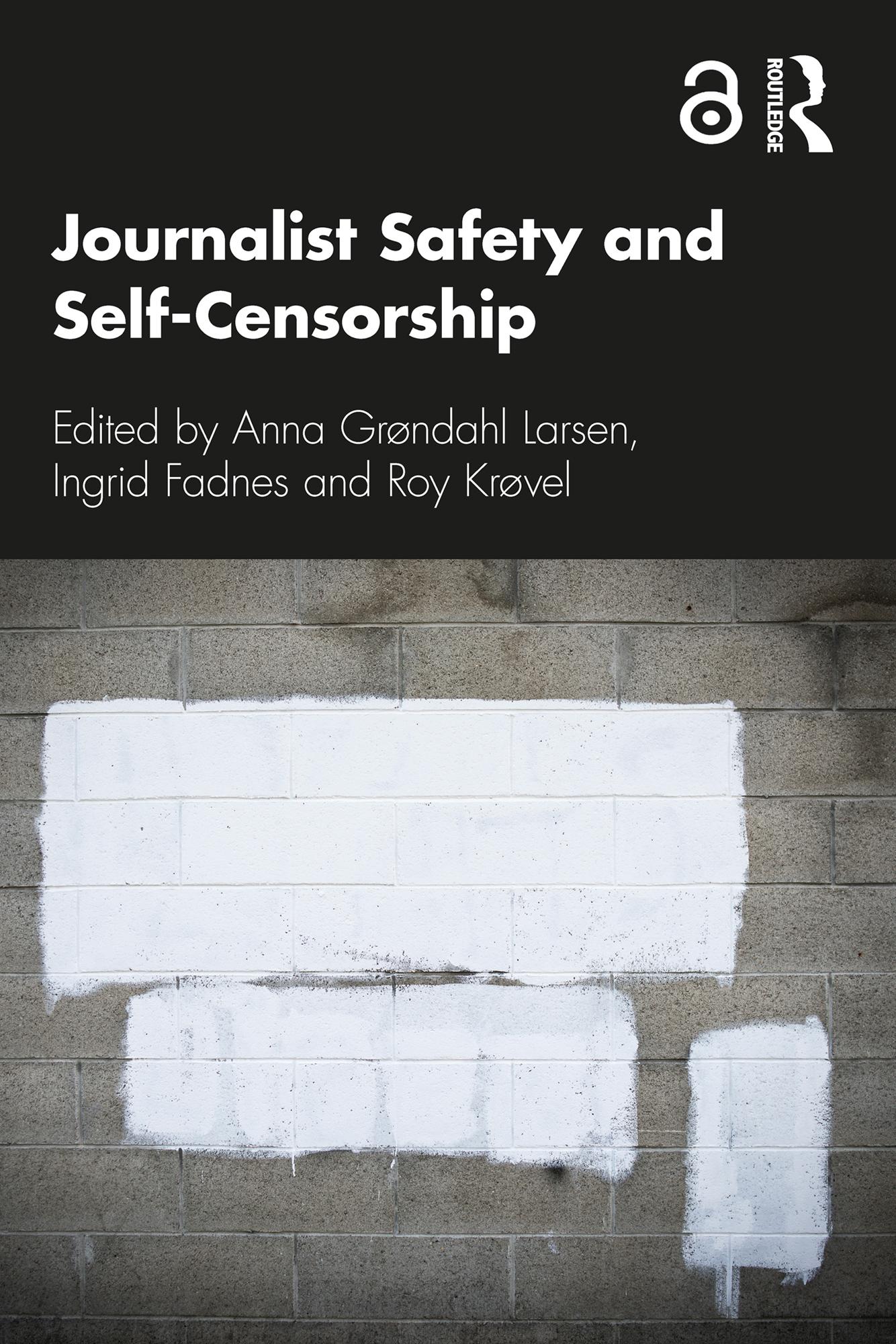
This book explores the relationship between the safety of journalists and self-censorship practices around the world, including local case studies and regional and international perspectives.
Bringing together scholars and practitioners from around the globe, Journalist Safety and Self-Censorship provides new and updated insights into patterns of self-censorship and free speech, focusing on a variety of factors that affect these issues, including surveillance, legislation, threats, violent conflict, gender-related stereotypes, digitisation and social media. The contributions examine topics such as trauma, risk and self-censorship among journalists in different regions of the world, including Central America, Estonia, Turkey, Uganda and Pakistan. The book also provides conceptual clarity to the notion of journalist self-censorship, and explores the question of how self-censorship may be studied empirically.
Combining both theoretical and practical knowledge, this collection serves as a much-needed resource for any academic, student of journalism, practicing journalist, or NGO working on issues of journalism, safety, free speech and censorship.
Pay easily by card, Klarna, Apple Pay or Google Pay. Not happy? You always have a 14-day money-back guarantee. Read more in our terms. If you have any questions, email us at hello@memmo.org.
Memmo makes studying easier – wherever you are in the world. We bring your course books and smart study tools together in one place: summaries, quizzes, podcasts and flashcards. Plus Ted, your study buddy who answers anything you wonder. Over 75,000 students already study here – built to help you learn faster and stress less.