
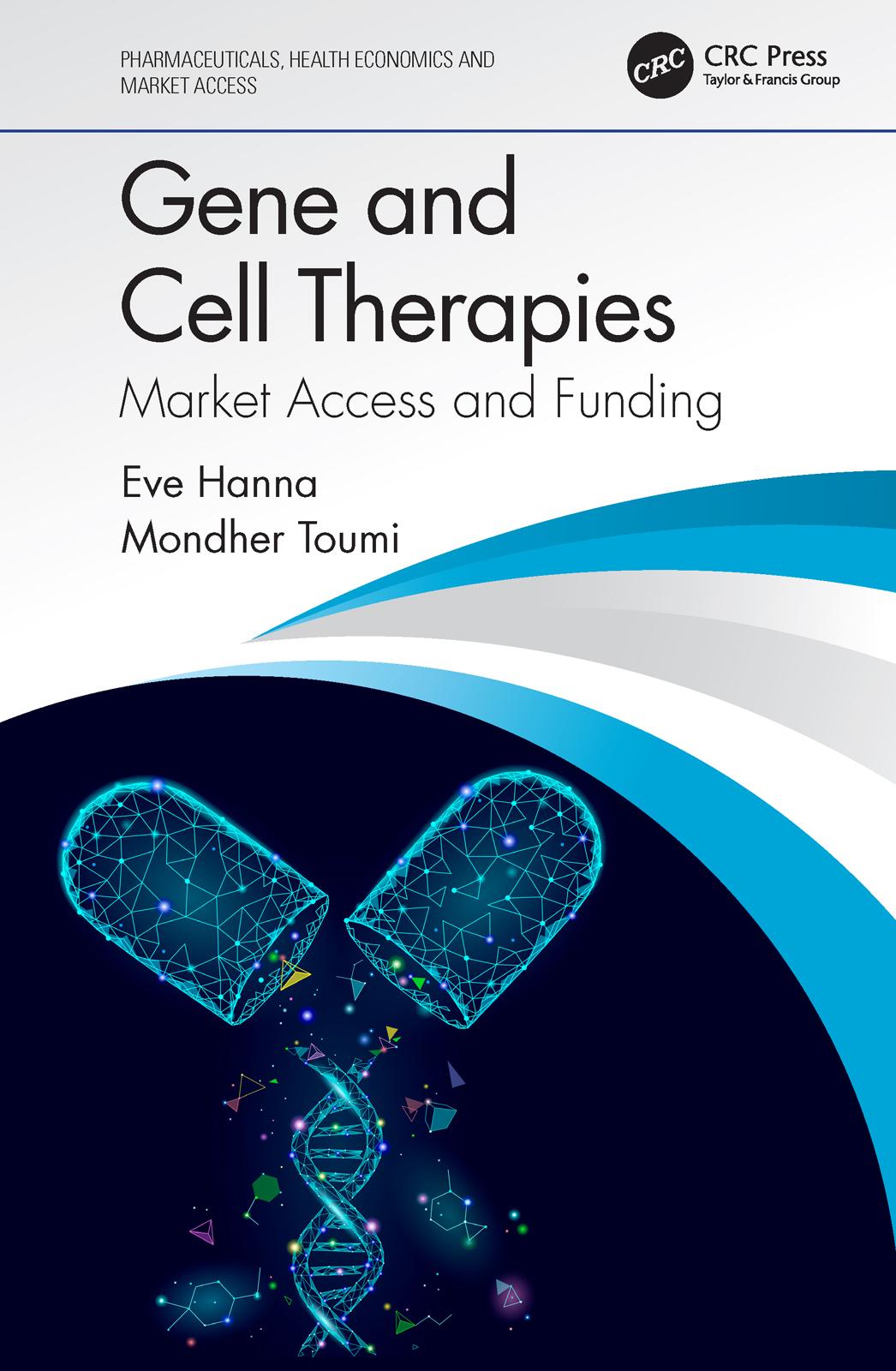
The major advances in the field of biotechnology and molecular biology in the twenty-first century have led to a better understanding of the pathophysiology of diseases. A new generation of biopharmaceuticals has emerged, including a wide and heterogeneous range of innovative cell and gene therapies. These therapies aim to prevent or treat chronic and serious life-threatening diseases, previously considered incurable. This book describes the evolution and adaptation of the regulatory environment to assess these therapies in contrast with the resistance of health technology assessment (HTA) agencies and payers to acknowledge the specificity of cell and gene therapies and the need to adapt existing decision-making frameworks. This book provides insights on the learnings from the experience of current cell and gene therapies (regulatory approval, HTA, and market access), in addition to future trends to enhance patient access to these therapies.
Key Features:
- Describes the potential change of treatment paradigm and the specificity of cell and gene therapies, including the gradual move from repeated treatment administration to one-time single administration with the potential to be definite cure
- Highlights the challenges at the HTA level
- Discusses the affordability of future cell and gene therapies and the possible challenges for health insurance systems
- Provides potential solutions to address these challenges and ensure patient access to innovation while maintaining the sustainability of healthcare systems
Pay easily by card, Klarna, Apple Pay or Google Pay. Not happy? You always have a 14-day money-back guarantee. Read more in our terms. If you have any questions, email us at hello@memmo.org.
Memmo makes studying easier – wherever you are in the world. We bring your course books and smart study tools together in one place: summaries, quizzes, podcasts and flashcards. Plus Ted, your study buddy who answers anything you wonder. Over 50,000 students already study here – built to help you learn faster and stress less.